
William Shakespeare, often called the Bard, was a groundbreaking playwright and poet whose work changed theater forever. He created vivid characters, innovative staging, and explored themes like love, jealousy, and mortality that still resonate today. His mastery of language, poetic techniques, and storytelling set new standards and influence artists worldwide. If you want to uncover more about his fascinating life and lasting impact, explore how his creative genius continues to inspire generations.
Key Takeaways
- William Shakespeare was born in 1564 in Stratford-upon-Avon, England, and became a renowned playwright and poet.
- He wrote iconic works such as “Hamlet,” “Romeo and Juliet,” and “Macbeth,” which have influenced theater for centuries.
- Shakespeare’s career included acting, writing, and theater ownership, making him a central figure in Elizabethan drama.
- His mastery of language, poetic forms, and innovative staging techniques revolutionized the theatrical world.
- Shakespeare’s legacy endures through his profound impact on literature, theater, and the enduring relevance of his themes.

Have you ever wondered why William Shakespeare remains one of the most celebrated playwrights and poets in history? His lasting impact isn’t just due to the timeless stories he created but also because of his profound influence on theater and poetry. When you explore his works, you’ll notice how his theatrical influence transformed the stage, setting standards that still resonate today. Shakespeare didn’t just write plays; he revolutionized theatrical performance with innovations in staging, character development, and dialogue. His ability to blend humor, tragedy, and nuance on stage made his productions both enthralling and accessible. You can see this influence in how modern theater endeavors to evoke strong emotions and deep engagement from audiences, mirroring Shakespeare’s mastery of dramatic storytelling.
At the heart of Shakespeare’s greatness lies his mastery of poetic techniques. If you pay close attention to his sonnets and verse, you’ll discover his skill with rhythm, meter, and imagery. He often used iambic pentameter, a rhythmic pattern that gives his lines a natural flow, making his poetry both pleasing to the ear and emotionally resonant. His use of metaphors, similes, and vivid imagery paints pictures in your mind, making his themes of love, jealousy, ambition, and mortality feel universal and immediate. Shakespeare’s inventive language and wordplay also add layers of meaning, encouraging you to think deeper about his characters’ motivations and the human condition. His poetic techniques serve as a bridge that connects the audience to the emotional core of his work, making his plays both intellectually stimulating and profoundly moving. Additionally, understanding the importance of theatrical innovation helps to appreciate how his techniques continue to influence storytelling today.
What makes Shakespeare’s influence so remarkable is how his theatrical innovations and poetic techniques continue to shape storytelling. Today, playwrights and poets borrow his methods to craft compelling narratives and expressive verse. His ability to create complex characters with authentic dialogue set new standards for character development. You can see his influence in everything from contemporary theater to modern poetry, where the power of language and performance remains central. Shakespeare’s work invites you to explore human nature through a combination of inventive language and theatrical brilliance. In doing so, he has secured his place as a literary and theatrical giant whose legacy still inspires creators around the world.
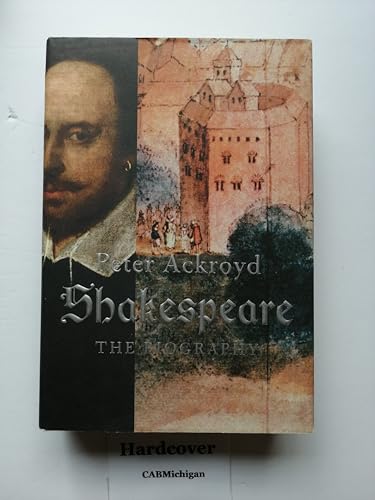
Shakespeare: The Biography
As an affiliate, we earn on qualifying purchases.
As an affiliate, we earn on qualifying purchases.
Frequently Asked Questions
What Inspired William Shakespeare’s Most Famous Characters?
You see, William Shakespeare’s most famous characters were inspired by a mix of character inspiration and historical sources. He drew from real events, legends, and classical texts, transforming them into compelling personalities. By blending these sources with his creativity, he crafted characters like Hamlet and Lady Macbeth that resonate deeply. His ability to adapt historical sources into timeless characters shows how he masterfully combined reality with imagination.
How Did Shakespeare Impact Modern English Language?
Imagine a language bursting with new colors—Shakespeare painted it with lexical innovation and idiomatic expressions that still echo today. You see, he didn’t just write plays; he reshaped English, enriching it with words like “bedroom” and “lonely.” His inventive phrases became part of everyday speech, making the language more vibrant and expressive. Thanks to him, modern English dances with creativity and endless possibilities.
Were Shakespeare’s Plays Performed During His Lifetime?
Yes, Shakespeare’s plays were performed during his lifetime. You’d see actors using Shakespearean acting techniques, like expressive voice and minimal props. Audience reception in the Elizabethan era was enthusiastic; crowds loved the lively performances and clever wordplay. Shakespeare’s skill in engaging viewers helped his plays become popular, ensuring they were performed regularly at venues like The Globe Theatre, enthralling audiences and shaping theatrical tradition.
What Was Shakespeare’s Influence on Contemporary Playwrights?
You might not realize it, but Shakespeare’s influence on contemporary playwrights is profound, shaping over 1,700 words in the English language. His theatrical innovation set new standards, inspiring writers to experiment with structure and character development. As a result, his literary legacy endures, serving as a foundation for modern drama. You can see his impact in today’s plays, where creativity and storytelling continue to evolve from his groundbreaking work.
Did Shakespeare Write Under Any Pseudonyms?
You might find that Shakespeare’s secret pseudonyms are a topic of intrigue, but there’s no solid evidence he officially used any. Some Hidden authorship theories suggest others may have written some works under pseudonyms, but mainstream scholarship dismisses this. While the idea of Shakespeare’s secret pseudonyms persists, most believe he authored his plays and poems openly, without hiding his identity.

Shakespeare's Sonnets: The Complete Illustrated Edition
As an affiliate, we earn on qualifying purchases.
As an affiliate, we earn on qualifying purchases.
Conclusion
You’ve uncovered the remarkable life of William Shakespeare, the true master of words. His stories and plays continue to inspire, proving that his legacy is here to stay. Remember, he’s like a beacon in the literary world, shining brightly through the ages. So, next time you read or watch his work, you’ll see firsthand how one person’s passion can leave a lasting mark. Truly, his life shows that the pen is mightier than the sword.

Elizabethan Drama: Eight Plays (Applause Books)
Used Book in Good Condition
As an affiliate, we earn on qualifying purchases.
As an affiliate, we earn on qualifying purchases.

Great Short Poems: Selections by Shakespeare, Burns, Wordsworth, Shelley, Whitman, Dickinson, Frost, Dunbar and many more (Dover Thrift Editions: Poetry)
As an affiliate, we earn on qualifying purchases.
As an affiliate, we earn on qualifying purchases.