
TL;DR

Get art and craft supplies delivered free with Prime
- Fast, free delivery on millions of items
- Prime Video, Amazon Music and more included
- Member-only deals all year
The New York Film Festival presented the Pelechian Project, a program of eight restored films by Armenian filmmaker Artavazd Pelechian. The screenings are part of a wider 2026 festival run for 4K restorations of works from his compact, largely short-film oeuvre. The review describes how his “distance montage” builds meaning through the relationship among images rather than through conventional plot.
The New York Film Festival presented the Pelechian Project, a program of eight restored works by Armenian filmmaker Artavazd Pelechian, bringing renewed attention to a body of films made primarily during the Soviet era. The screenings form part of a wider 2026 festival presentation of 4K restorations and offer audiences a chance to encounter a filmmaker whose work is built around image, rhythm and association rather than conventional narrative.
Pelechian’s filmography is concise: 13 works, mostly shorts, alongside two features that are each under an hour, according to the Hyperallergic review. The report says he has released no work since Nature in 2019; before that, his previous film dated to 1994. The restored films have appeared at different festivals during 2026, with eight included in the New York Film Festival program.
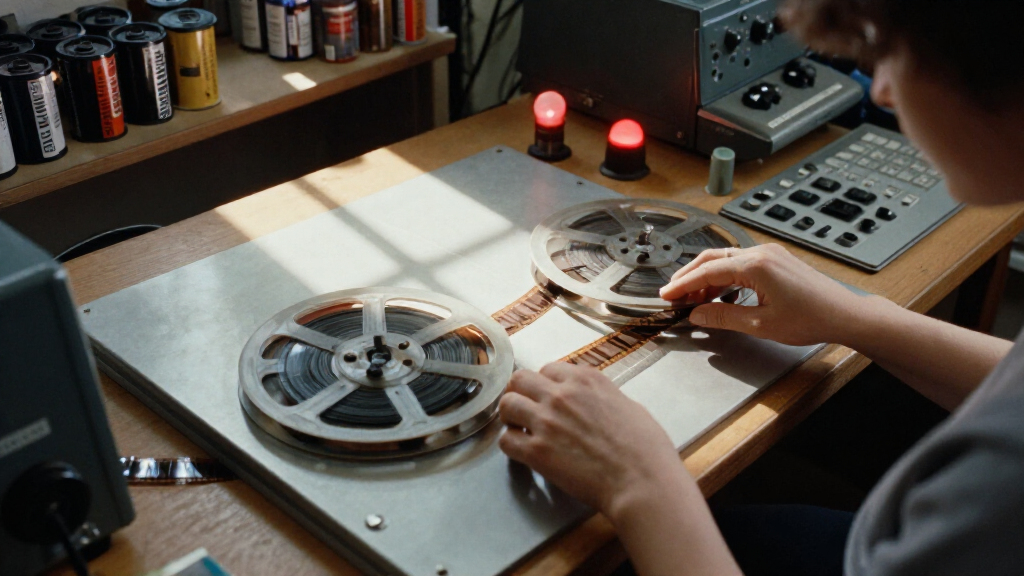
The review centers on Pelechian’s method, which he called “distance montage.” His films assemble shots into patterns organized around themes, but the meaning does not necessarily reside in any single image or edit. Instead, the effect builds across the work as a whole. The approach can make the films feel less like stories progressing from one event to another and more like sequences of impressions shaped by repetition, contrast and pacing.
In a conversation with film scholar Scott MacDonald in the 1990s, Pelechian contrasted his method with Sergei Eisenstein’s approach to editing. “In Eisenstein, every element means something. For me, the individual fragments don’t mean anything anymore. Only the whole film has the meaning,” he said. The remark offers a direct account of the principles behind the restored works now reaching festival audiences.
Restorations Bring His Method Into View
The festival screenings matter because restoration can change how audiences encounter films that have had limited circulation. The 4K versions give viewers an opportunity to see details of the images in newly prepared presentations, while the program places several works together so their recurring concerns and formal choices can be experienced across a larger sample.
The event also makes a distinctive approach to film editing more accessible. Pelechian studied in Moscow during the 1960s, when Soviet filmmakers including Eisenstein, Vsevolod Pudovkin and Dziga Vertov were central reference points. His work is connected to that history of montage, but his stated emphasis on the meaning of the whole film offers a different way to understand how images can relate. For viewers and film students, the program is both a screening opportunity and an introduction to a filmmaker whose influence and recognition have grown gradually.
The review frames the project as part of a broader rise in attention to Pelechian, rather than as a new release by the director. That distinction matters: the development is the renewed presentation of existing work, not an announcement of a forthcoming film.
As an affiliate, we earn on qualifying purchases.
A Career Built Around Montage
Pelechian was active primarily during the Soviet era and studied at the All-Union State Institute of Cinematography in Moscow in the 1960s. There, he encountered the work of Eisenstein, Pudovkin and Vertov, directors whose experiments helped shape early film editing. The Hyperallergic account describes Pelechian as taking a distinct route from those precedents, developing a system he named distance montage.
That system is central to the films’ structure. Rather than treating each shot as a self-contained statement or using editing mainly to move a plot forward, Pelechian arranges images so that their connections emerge over time. The review points to works including We (1969) and The Seasons (1975) as examples from the program’s broader presentation of his work.
His limited output helps explain why each restoration and screening can draw attention: the body of work is small, and the director has not maintained a regular release schedule. International recognition, the report says, accumulated gradually. The 2026 screenings therefore bring renewed circulation to films made across several decades, rather than documenting a new phase of production.
As an affiliate, we earn on qualifying purchases.
The Restorations’ Wider Reach
The source identifies eight restored works in the New York Film Festival program, but does not list every title in that selection or provide screening dates, venues or ticket information. It also says the films’ 4K restorations premiered at different festivals over 2026 without specifying the full festival schedule or naming all participating institutions.
The report does not give details about who carried out the restorations, what source materials were used, or whether the versions shown at different festivals are identical. It also does not report audience figures, distribution plans or a home-release date. The screenings confirm renewed festival presentation; they do not, by themselves, establish broader commercial availability.
As an affiliate, we earn on qualifying purchases.
Further Festival Screenings Ahead
The restored films are part of a wider festival run in 2026, according to the report, so additional screenings may bring more of Pelechian’s work before international audiences. The source does not specify which festivals or dates will follow the New York Film Festival presentation.
For viewers seeking access, the next confirmed step is to check the festival’s program and any later announcements from presenting institutions for screening and availability details. No new Pelechian film is announced in the material, and no release plan for the restorations beyond festival presentations is confirmed.
artavazd pelechian documentary films
As an affiliate, we earn on qualifying purchases.
As an affiliate, we earn on qualifying purchases.
Key Questions
What happened at the New York Film Festival?
The festival presented the Pelechian Project, a program featuring eight restored works by Armenian filmmaker Artavazd Pelechian.
What is “distance montage”?
It is Pelechian’s term for an editing approach in which the meaning emerges from the relationship among images across the whole film, rather than from each individual fragment or a straightforward chain of plot events.
How many films did Pelechian make?
The Hyperallergic review describes his oeuvre as 13 works, mostly short films, with two features that are each under an hour.
Are these screenings of a new film?
No new film is announced. The New York Film Festival program presented restored works from Pelechian’s existing filmography.
Where can audiences see the restored films next?
The source says the restorations have appeared at different festivals during 2026, but does not identify the next screenings or confirm a wider release schedule. Festival announcements are the best source for current dates and access details.
Source: rss
Halloween Picks
halloween
As an affiliate, we earn on qualifying purchases.