
TL;DR
Hundreds demonstrated outside Colombia’s National Museum in Bogotá after the government ordered about 30 works and historical objects removed from display. President Abelardo De La Espriella defended the directive as a response to what he called political indoctrination; museum leaders and arts figures urged the government to reverse it. The items’ current location and whether they will return to the galleries have not been reported.
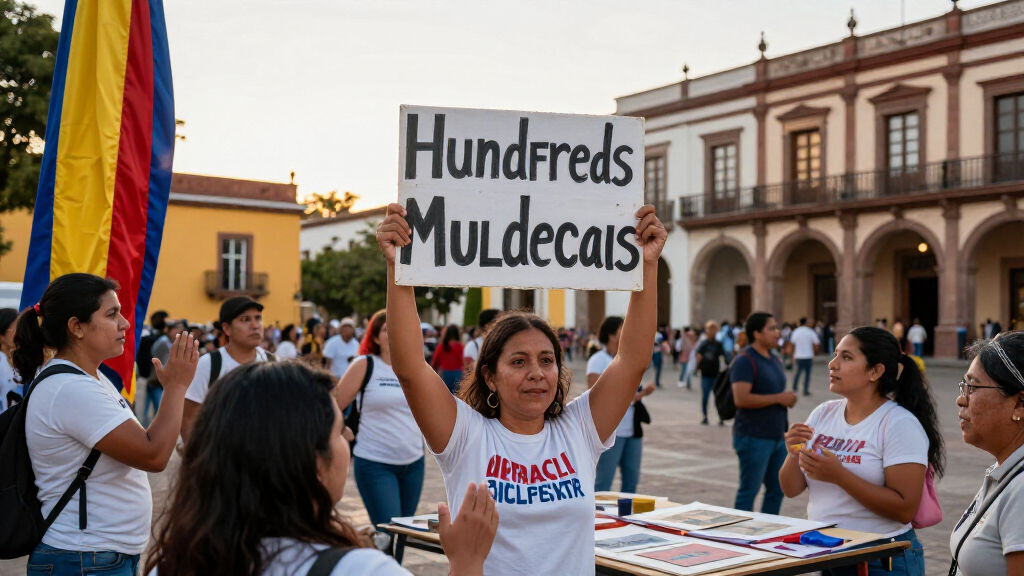
Hundreds of people protested outside Colombia’s National Museum in Bogotá over the weekend after President Abelardo De La Espriella’s government ordered about 30 works and objects removed from display, including material on LGBTQ+ and women’s rights, political violence, and the 2016 peace agreement with the FARC. The dispute has prompted calls from museum directors and arts leaders for the decision to be reversed.

Get art and craft supplies delivered free with Prime
- Fast, free delivery on millions of items
- Prime Video, Amazon Music and more included
- Member-only deals all year
The removed items included a photograph by Humberto Rincón Perfetti from an LGBTQ+ rights march, a Pride Flag that belonged to activist Elizabeth Castillo, and a pamphlet concerning women’s reproductive rights. Other objects addressed the assassinations of former guerrilla commander Carlos Pizarro Leongómez and leftist leader Bernardo Jaramillo Ossa. A pen made from a bullet, used to sign the 2016 peace agreement, was also taken off display.
De La Espriella said he had instructed Culture Minister Paola Holguín to remove what he called “odes to terrorism,” including references to Pizarro and other former guerrillas. Holguín said in posts on X that the museum should not become “an instrument of political indoctrination” or “a hub for spreading biased versions of our history.” The museum directed press questions to the ministry, according to Hyperallergic.
Images shared locally showed gallery walls with outlines where displayed materials had been removed. At the museum entrance, police in riot gear were present during the protest, according to Hyperallergic’s report. The available source does not specify whether demonstrators were arrested or injured.
Dispute Over Who Tells Colombia’s History
The removals concern more than individual artworks: they affect how a national museum presents conflict, peace, gender, and sexual identity to the public. Several of the items connect visitors with contested parts of Colombia’s recent history, including political assassinations and the agreement that ended decades of conflict between the government and the FARC.
Six modern art museums issued a joint statement expressing “deep concern” and asking the culture minister to reverse the decision. Their directors argued that museums must make room for difficult and uncomfortable histories. Their response frames the dispute as a question of institutional independence and public access to material documenting communities and events that may be missing from official accounts.
The episode also carries consequences for artists, cultural workers, and visitors beyond the museum. Curator Jaime Cerón told Hyperallergic that the removal fits a broader pattern of changes affecting Colombia’s arts sector. In September, the Culture Ministry suspended a long-running federal stimulus program for artists and creative workers, drawing criticism. The precise effects of the museum directive on the National Museum’s future displays remain unknown.
Products Worth Considering

Coleman RoadTrip 285 Portable Propane Grill, 3 Burners, Red

Coleman Marine 100-Quart Hard Cooler with UV Guard

Coleman Classic Series Insulated Portable Wheeled Cooler (100qt, Desert Sand)
As an affiliate, we earn on qualifying purchases.
The Gallery and the Peace Agreement
Most of the targeted objects were displayed in the National Museum’s “Making Society” gallery, inaugurated in 2019. The museum describes the gallery as examining “processes of coexistence, resistance, and revindication.” Other items appeared in a section on socially engaged printmaking and photography from the 1950s and 1960s. The works included pieces by late artists Antonio Caro and Luis Caballero.
The pen made from a bullet was associated with the 2016 peace agreement between the Colombian government and the FARC. The Ministry of Education, under then-President Juan Manuel Santos, made the pen, which was inscribed: “Bullets wrote our past, education will write our future.” Its removal places an object tied to the peace process among the materials at the centre of the current dispute.
De La Espriella took office in August after defeating leftist senator Iván Cepeda in a closely contested election, according to the source report. He campaigned on a conservative platform. The source also draws a comparison with disputes over museum exhibits in the United States, but the Colombian government has not described its directive as part of a coordinated international campaign.
““All those odes to terrorism featuring Pizarro and the other terrorists are removed from public places.””
— President Abelardo De La Espriella, as quoted in the Hyperallergic report
Where the Removed Objects Stand
The source report does not say where the objects are now, whether they have been placed in storage, or whether the removal is temporary. It also does not establish whether the National Museum or the Ministry of Culture has set a timetable for reconsidering the display decision.
The scale and consequences of the protest are not fully documented in the available reporting. While police in riot gear were present, the report does not confirm arrests, injuries, or whether police used water cannons or stun grenades. Those measures were described as available at the scene, not confirmed as having been used.
The government’s stated concern about political indoctrination and critics’ characterisation of the removals as censorship are competing interpretations. The source confirms the directive and the removal of objects from display, but does not provide a detailed written order, a full list of all affected items, or the ministry’s criteria for selecting them.
Calls for Reversal, No Timetable
The six museums’ joint statement asks Culture Minister Holguín to reverse the decision. Arts figures have also called for the objects to be returned to a setting where their history can be examined. The Ministry of Culture has not, in the source material, announced a reversal or a schedule for further action.
Further information from the ministry or the National Museum could clarify the reason for each removal, the objects’ current status, and whether the museum will revise its exhibits. Until then, the dispute remains unresolved, with protesters and cultural institutions pressing for access to the works and the government defending its stated position on the museum’s role.
Key Questions
Why did people protest outside Colombia’s National Museum?
They protested after the government ordered about 30 works and objects removed from display. The items addressed topics including LGBTQ+ and women’s rights, political violence, and the peace agreement with the FARC.
Which objects were removed?
Reported examples include a photograph from an LGBTQ+ rights march, activist Elizabeth Castillo’s Pride Flag, a pamphlet about reproductive rights, material on political assassinations, and a bullet-made pen used in signing the 2016 peace agreement.
What reason did the government give?
President Abelardo De La Espriella called the material “odes to terrorism” and ordered its removal. Culture Minister Paola Holguín said the museum should not be used for political indoctrination or biased history.
Have the works been returned to the galleries?
The source report does not say. It also does not identify where the objects are now or give a timetable for a decision about their return.
Who has called for the removals to be reversed?
Leaders of six modern art museums signed a joint statement asking Culture Minister Holguín to reverse the decision. Arts figures, including gallery director Beatriz López, also called for the objects to return to a museum setting.
Source: rss