
TL;DR
Prime for Young Adults — start your free trial
Fast free delivery, streaming and member deals for eligible 18–24 year olds.
Try it freeAs an affiliate, we earn on qualifying purchases.
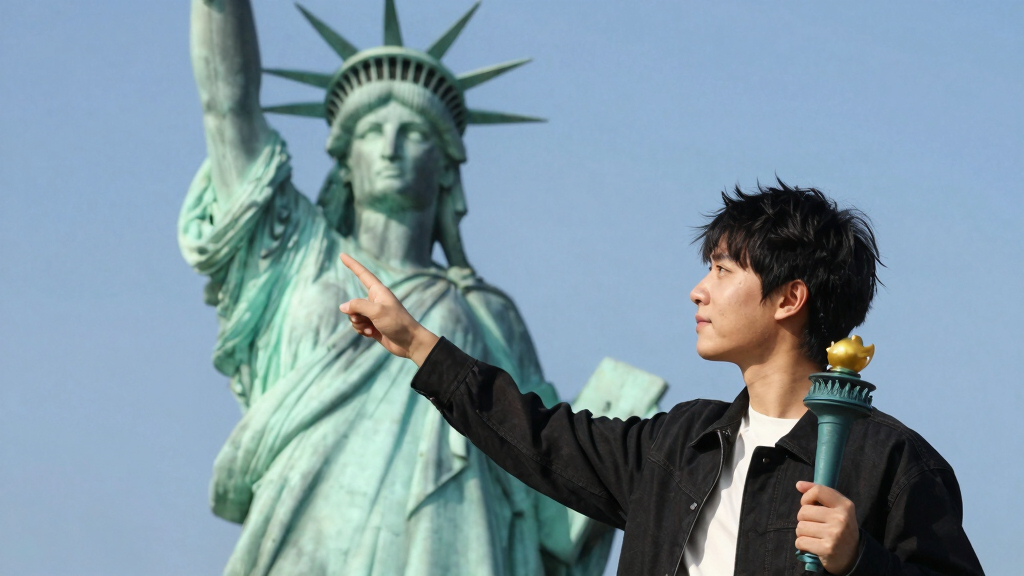
The Statue of Liberty remains a symbol of freedom and welcome. Its meaning has evolved over time, reflecting shifts in American values and immigration policies. This article explores what it stands for now and what future debates may shape its significance.
The Statue of Liberty continues to stand as a powerful symbol of freedom, democracy, and welcome for immigrants arriving in the United States. Its meaning, however, has evolved over time in response to changing social and political contexts, making it a subject of ongoing discussion and reinterpretation.
The Statue of Liberty was gifted to the United States by France in 1886 and was originally intended as a symbol of friendship and shared ideals between the two nations. Over the decades, it has become an emblem of hope for millions of immigrants arriving at Ellis Island, representing opportunity and sanctuary.
In recent years, debates have emerged regarding the extent to which the statue still embodies the ideals of freedom and inclusion, especially amid rising immigration restrictions and national security concerns. Some officials and commentators argue that its symbolism has been co-opted or diminished, while others emphasize its enduring message of hope.
Official statements from the National Park Service reaffirm that the Statue of Liberty remains a universal symbol of liberty and democracy, but interpretations of its meaning are increasingly diverse and politically charged.
The Evolving Symbolism of Liberty in American Society
The significance of the Statue of Liberty today lies in its dual role as a historic monument and a living symbol that reflects contemporary values and conflicts. As debates over immigration and national identity intensify, understanding what the statue represents can influence public perceptions and policy decisions. Its ongoing relevance underscores the importance of historical symbols in shaping societal narratives about freedom and inclusion.
Statue of Liberty souvenir replica
As an affiliate, we earn on qualifying purchases.
As an affiliate, we earn on qualifying purchases.
Historical Origins and Shifts in Interpretation
The Statue of Liberty was designed by Frédéric Auguste Bartholdi and gifted by France to celebrate the centennial of American independence. Initially, it symbolized friendship, liberty, and enlightenment, aligning with the ideals of the French and American revolutions.
Throughout the 20th century, it became a migration icon, especially during waves of European immigration, with many newcomers viewing it as a beacon of hope. Over time, political debates and policy shifts have challenged its universal message, especially during periods of restrictive immigration laws and national security concerns.
Recent discussions have centered on whether the statue’s symbolism remains relevant or has been overshadowed by contemporary issues such as border policies and national identity debates.
“The Statue of Liberty has always been more than a monument; it is a reflection of America’s evolving identity and values.”
— Dr. Emily Carter, historian specializing in American symbols
Statue of Liberty educational model
As an affiliate, we earn on qualifying purchases.
As an affiliate, we earn on qualifying purchases.
Unclear Aspects of the Statue’s Current Symbolic Status
It is not yet clear how public perception of the Statue of Liberty will evolve amid ongoing political and social debates. Some critics argue its symbolism is being overshadowed or politicized, but definitive shifts in national sentiment are still emerging. The extent to which it continues to inspire universal ideals remains a subject of debate among scholars and policymakers.
As an affiliate, we earn on qualifying purchases.
Future Discussions and Interpretations of the Statue’s Meaning
Public discourse and official statements are likely to continue shaping the symbolism of the Statue of Liberty, especially as immigration policies and national identity debates evolve. Commemorative events, educational initiatives, and policy discussions in the coming years will influence how the monument is perceived and what it ultimately stands for in the 21st century.
As an affiliate, we earn on qualifying purchases.
Key Questions
What was the original purpose of the Statue of Liberty?
The Statue of Liberty was gifted by France in 1886 to symbolize friendship and shared ideals of liberty and democracy between France and the United States.
Has the meaning of the Statue of Liberty changed over time?
Yes, it has evolved from a symbol of friendship and enlightenment to an icon representing hope for immigrants and, more recently, a subject of debate regarding national identity and immigration policies.
What do current officials say about the statue’s symbolism?
Officials from the National Park Service affirm that the Statue of Liberty remains a universal symbol of liberty and democracy, though interpretations vary among the public and political leaders.
Why is the Statue of Liberty still relevant today?
It continues to serve as a powerful reminder of American ideals and the country’s history of immigration, even as its meaning is reinterpreted in contemporary political and social contexts.
Future commemorations, educational programs, and public debates are expected to influence how the monument is perceived and what it symbolizes in the coming years.
Source: rss
Fall yard work Picks
leaf blowers
As an affiliate, we earn on qualifying purchases.