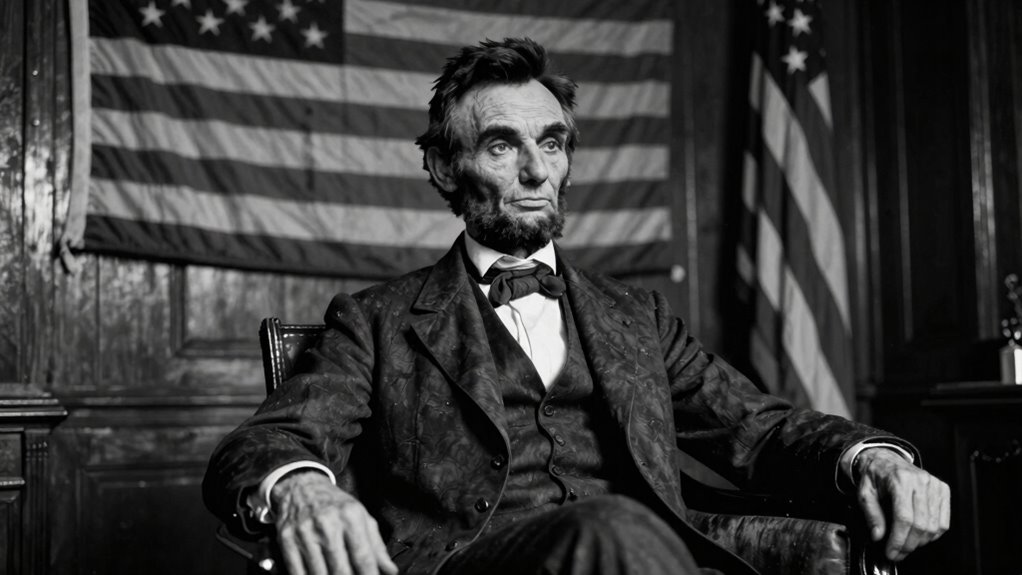

You’ll discover that Abraham Lincoln’s journey to becoming America’s most mythic president was filled with challenges that tested his resilience and moral conviction. From humble beginnings, he faced tough decisions during the Civil War, managing military and political crises with unwavering dedication. His powerful speeches and strategic choices united a fractured nation and redefined its moral purpose. If you keep exploring, you’ll uncover how his leadership shaped the country’s future and solidified his legendary status.

Get art and craft supplies delivered free — and shop member deals
- Fast, free delivery on millions of items
- Access to Prime Big Deal Days deals on October 6–7
- Prime Video, Amazon Music and more included
Key Takeaways
- Lincoln’s leadership involved navigating immense political and moral challenges to preserve the Union during the Civil War.
- His strategic decisions, including the Emancipation Proclamation, redefined the war’s moral and political landscape.
- Overcoming initial political obscurity, Lincoln demonstrated resilience and moral clarity to become a national icon.
- His speeches, like the Gettysburg Address, unified the nation and elevated his mythic stature.
- Lincoln’s perseverance and strategic adaptability cemented his legacy as America’s most revered president.
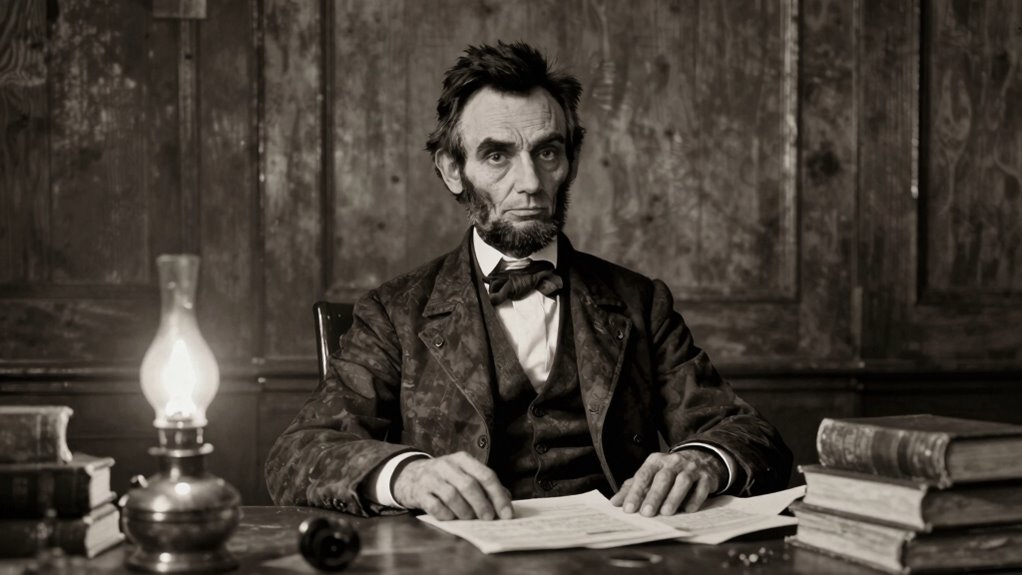
Few figures in American history embody the tumult and resilience of the nation more than Abraham Lincoln. You might see him as a symbol of unity and perseverance, but behind that myth lies a man who faced tremendous challenges in guiding the country through its darkest hours. As president, Lincoln demonstrated remarkable presidential leadership, steering a fractured nation with a steady hand and unwavering commitment to preserving the Union. His ability to balance moral conviction with political pragmatism set him apart, especially during the Civil War, when the stakes couldn’t have been higher.
You would have seen Lincoln’s leadership in action as he confronted the chaos of civil war, often making tough decisions that tested his resolve. His understanding of Civil War strategies wasn’t just about military tactics; it was about wielding the power of the presidency to sustain the Union. Lincoln carefully coordinated with generals, balancing military needs with moral imperatives. He prioritized the preservation of the nation’s integrity, even when it meant making unpopular choices, such as issuing the Emancipation Proclamation. This strategic move not only aimed to weaken the Confederacy but also redefined the moral purpose of the war, rallying support from abolitionists and freeing millions of slaves.
Lincoln’s leadership was characterized by his ability to adapt and learn. He knew that winning the war required more than battlefield victories; it demanded an all-encompassing approach that included diplomacy, public morale, and political strategy. He kept a close eye on the broader picture, often making swift decisions that shaped the course of the conflict. You can see his influence in how he managed to hold the fragile coalition of Union supporters together, even as the war dragged on and casualties mounted. His speeches, like the Gettysburg Address, exemplify how he used language as a tool to inspire and unify a fractured nation.
Lincoln’s adaptable leadership united a fractured nation through strategy, diplomacy, and inspiring words like the Gettysburg Address.
Throughout the Civil War, Lincoln’s strategic leadership was crucial in steering the country toward victory and eventual reunification. His resilience, combined with his keen understanding of civil war strategies, helped transform him from a relatively unknown politician into one of America’s most revered presidents. You might not always agree with his choices, but you can’t deny that Lincoln’s leadership during those tumultuous years embodies the perseverance and moral clarity that define his legacy. His journey was arduous, but it ultimately made him a mythic figure in American history. Recognizing the civil war strategies he employed highlights the depth of his strategic thinking and adaptability.
As an affiliate, we earn on qualifying purchases.
Frequently Asked Questions
What Early Childhood Experiences Shaped Lincoln’s Character?
Your early childhood experiences, like facing childhood adversity and limited early education, shaped Lincoln’s character profoundly. Growing up in poverty and losing his mother early taught him resilience and empathy. Despite minimal formal schooling, he was self-taught, developing a love for reading and learning. These hardships and self-driven education instilled in him perseverance and a strong sense of purpose, guiding him through his challenging journey to become a leader.
How Did Lincoln’s Legal Career Influence His Political Views?
Think of Lincoln’s legal career as a sculptor chiseling away at raw marble; each case shaped his understanding of justice. His legal philosophy emphasized fairness and unity, guiding his judgments. By analyzing judicial decisions, he learned to balance morality with law, which deeply influenced his political views. This experience made him a leader who valued law’s power to resolve conflicts and preserve the nation’s integrity.
What Were Lincoln’s Personal Struggles During the Civil War?
During the Civil War, you face immense personal struggles that test your mental resilience and leadership challenges. You deal with loss, constant criticism, and the weight of guiding a divided nation. Despite these hardships, you remain committed, balancing personal grief with public responsibility. Your perseverance helps you maintain focus, inspiring others to stay united. These struggles strengthen your resolve, shaping you into the resilient leader history remembers.
How Did Lincoln’s Relationships With His Family Impact His Presidency?
Imagine your family dynamics shaping the fate of a nation—Lincoln’s relationships with his family deeply influenced his emotional resilience. His marriage to Mary and his bond with his children offered moments of solace amid chaos, fueling his strength. These connections grounded him, helping him endure the weight of leadership during turbulent times. Your own family can be a source of unwavering support, just as Lincoln’s was for him in presidency’s darkest hours.
What Myths About Lincoln’s Life Are Most Commonly Misunderstood?
You might think Lincoln’s life is mostly myth, but in reality, his legacy is often misunderstood. Many believe he was perfect or that his decisions were always easy, but myth versus reality shows he faced constant struggles and doubts. Lincoln’s legacy is built on perseverance through hardship, not mythic perfection. Recognizing this helps you appreciate his true resilience and the genuine challenges he faced on his path to becoming America’s most iconic president.
As an affiliate, we earn on qualifying purchases.
Conclusion
So, after all that, you might think Lincoln’s journey was smooth sailing. But no, you’ve seen the grit, the failures, the relentless climb through mud and doubt. Turns out, becoming America’s most mythic president isn’t handed to you on a silver platter. It’s earned in the trenches of history’s chaos, with a dash of stubbornness and a pinch of luck. So next time you complain, remember Lincoln—proof that greatness often comes from the hardest roads.
Civil War leadership history book
As an affiliate, we earn on qualifying purchases.
As an affiliate, we earn on qualifying purchases.
Emancipation Proclamation replica
As an affiliate, we earn on qualifying purchases.
As an affiliate, we earn on qualifying purchases.
Fall Picks
fall essentials
As an affiliate, we earn on qualifying purchases.