

Gulbadan Begum, a Mughal princess, used her royal status to explore her empire’s diverse cultures and landscapes. Through her travels, she observed everyday life, traditions, and political shifts, recording her experiences in her writings. Her notable work, the *Humayun-Nama*, provides rare insights from a woman’s perspective during that era. Her curiosity and observations help you understand the rich history and culture of Mughal India—there’s much more to discover if you keep exploring.
Key Takeaways
- Gulbadan Begum was a Mughal princess and historian, known for her detailed writings and exploration of her empire.
- She traveled across Mughal territories, observing diverse cultures and landscapes beyond the palace.
- Her notable work, *Humayun-Nama*, offers rare insights into her experiences and the empire’s history.
- Her travels combined physical journeys with intellectual exploration, enriching her understanding of her world.
- Her records highlight the importance of curiosity and cultural understanding in documenting history.

Have you ever wondered about the life of Gulbadan Begum, a prominent Mughal princess and historian? As a Mughal princess, she held a unique position within the empire’s royal circle, but her story extends far beyond her royal duties. What sets her apart is her curiosity and desire to explore her world through the lens of historical travel. Unlike many of her contemporaries, Gulbadan was deeply interested in documenting her experiences, her family, and the empire’s events, which she did through her writings. Her life was marked not only by courtly responsibilities but also by her keen interest in understanding the stories of her ancestors and her surroundings.
Gulbadan Begum’s curiosity and writings reveal her unique role in Mughal history and culture.
You can imagine her moving through the bustling Mughal courts, observing the grandeur and the intricacies of court life. But her journey wasn’t limited to the palace walls. She traveled across the vast Mughal territories, witnessing the diverse cultures and landscapes that made up her empire. These travels weren’t just physical; they were also intellectual. She absorbed stories from different regions, learning about local traditions, customs, and histories. Her role as a Mughal princess gave her access to a privileged view of the empire, but she used her position to gain knowledge and record it, making her a keen observer of her time.
Gulbadan’s travels, documented in her famous work, the *Humayun-Nama*, serve as an invaluable record of Mughal history and her personal experiences. Through her writings, you get a rare glimpse into her perspective as a woman charting the royal environment, but also as a witness to the empire’s political and cultural shifts. Her detailed accounts reveal her keen interest in the everyday life of her people and her understanding of the larger historical picture. These records are among the earliest examples of historical travel narratives written by a Mughal princess, showcasing her intellectual curiosity and her desire to preserve her empire’s stories for future generations.
Her life demonstrates how historical travel can extend beyond mere movement; it’s about exploration of culture, history, and identity. Gulbadan Begum’s travels and writings exemplify how a Mughal princess used her position to explore and document her world, leaving behind a legacy that continues to inspire those interested in history and the rich cultural tapestry of the Mughal era. Her story reminds you that curiosity and a desire to understand the world can turn personal journeys into timeless historical records. Additionally, her detailed accounts provide valuable insights into the diverse cultures and landscapes of her empire, highlighting the importance of cultural understanding in historical narratives.

The Last Mughal: The Fall of a Dynasty: Delhi, 1857 (Vintage)
Used Book in Good Condition
As an affiliate, we earn on qualifying purchases.
As an affiliate, we earn on qualifying purchases.
Frequently Asked Questions
What Was Gulbadan Begum’s Influence on Mughal Politics?
You see, Gulbadan Begum’s influence on Mughal politics was subtle yet significant. She used her royal influence to shape political alliances and promote peace within the empire. By maintaining strong relationships with key figures, she helped stabilize Mughal rule. Her wisdom and diplomacy often guided her family’s decisions, making her a respected voice in court. Her role exemplifies how royal women could impact political dynamics through influence and alliance-building.
Did Gulbadan Begum Write Any Other Works Besides Humayun-Nama?
You’ll find that Gulbadan Begum’s primary literary contribution is her personal memoirs, especially the Humayun-nama. She didn’t write many works beyond that, focusing mainly on her detailed account of Mughal history and her personal experiences. Her memoirs offer valuable insights into Mughal court life and her own perspective, making her a significant figure in Mughal literary history.
How Did Her Travels Impact Mughal Diplomatic Relations?
Your travels by Gulbadan Begum fostered cultural exchange and strengthened diplomatic alliances. As you journeyed, you shared Mughal customs, traditions, and art, showcasing the empire’s grandeur. This openness helped build trust with other courts and leaders, facilitating alliances and peaceful relations. Her travels, thus, played a vital role in enhancing Mughal diplomacy, making her a pivotal figure in cultivating international ties through personal diplomacy and cultural sharing.
What Was Her Relationship With Her Siblings and Other Relatives?
You’d think with her noble blood, Gulbadan Begum’s relationships with siblings and relatives would be perfect, but family rivalries and alliances often overshadowed harmony. She maintained respectful ties, yet political motives fueled underlying tensions. Her writings hint that she navigated these complex familial webs carefully, balancing loyalty with self-preservation. Ironically, her travels and stories reveal that even royal kinship couldn’t escape the grip of sibling rivalries and shifting alliances.
Are There Surviving Artifacts or Sites Linked to Her Travels Today?
You’ll find some historical artifacts and travel sites linked to Gulbadan Begum’s journeys today. These include ancient Mughal manuscripts, inscriptions, and architecture that reflect her travels and influence. Visiting places like the Red Fort and Fatehpur Sikri, you can see remnants of her era. Museums also display artifacts related to her life, offering a glimpse into her travels and the rich Mughal heritage she helped shape.

Safavid Midi Lined Hardcover Journal, 144pg, 120GSM by Paperblanks (Safavid Binding Art)
Elegantly adorned hardcover binding with magnetic wrap closure
As an affiliate, we earn on qualifying purchases.
As an affiliate, we earn on qualifying purchases.
Conclusion
As you imagine Gulbadan Begum wandering through distant lands, her curiosity and courage shine brightly. Her travels reveal a princess enthusiastic to learn and experience beyond palace walls. Isn’t it inspiring to think that even royalty seeks adventure and knowledge? Her story reminds you that exploration knows no boundaries and that every journey leaves a mark on your soul. So, won’t you also embrace your own adventures and discover the world’s endless wonders?
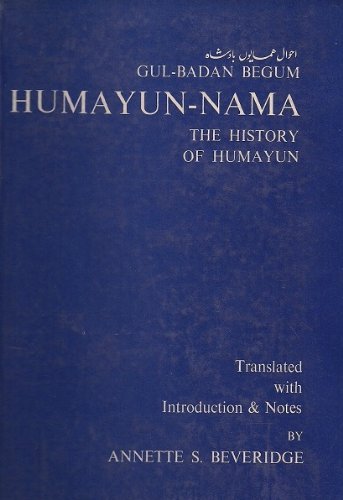
Humayun Nama
As an affiliate, we earn on qualifying purchases.
As an affiliate, we earn on qualifying purchases.
Humayun Nama
As an affiliate, we earn on qualifying purchases.
As an affiliate, we earn on qualifying purchases.