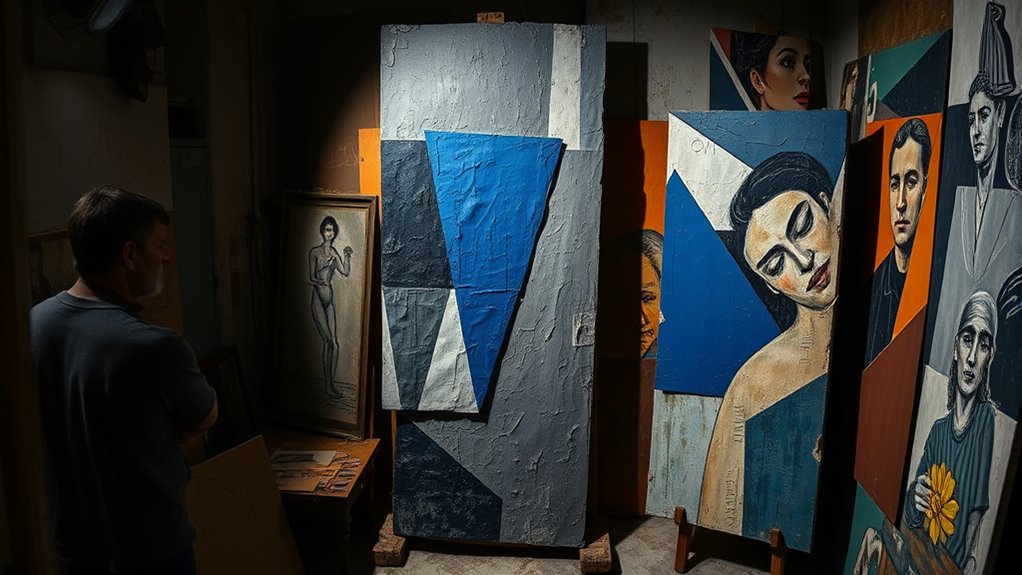

Pablo Picasso revolutionized art by pioneering Cubism, which breaks objects into geometric shapes and shows multiple perspectives simultaneously. This approach challenges traditional realism and encourages viewers to interpret artworks in new ways. His experimentation with abstraction and form created dynamic, emotionally charged pieces like “Les Demoiselles d’Avignon” and “Guernica.” If you want to understand how Picasso’s innovative techniques transformed modern art, there’s more to discover about his impact and legacy.
Key Takeaways
- Picasso pioneered Cubism by breaking objects into geometric shapes and presenting multiple perspectives simultaneously.
- His Cubist works challenged traditional realism, emphasizing abstraction and dynamism.
- “Les Demoiselles d’Avignon” is a foundational Cubist piece that revolutionized modern art.
- Picasso’s experimentation with form and space influenced subsequent avant-garde movements.
- His innovative approach redefined artistic representation and expanded possibilities for visual expression.
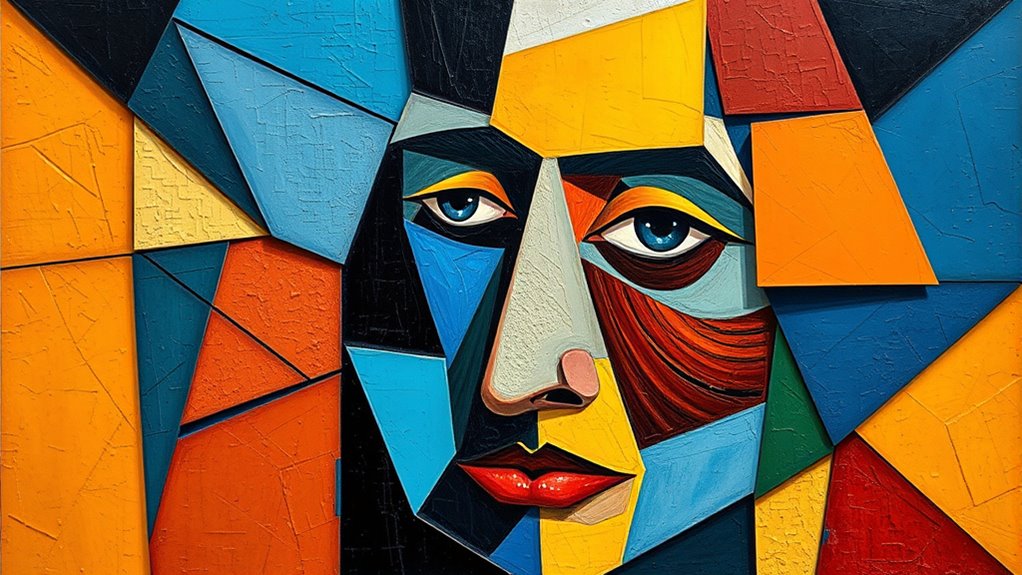
Have you ever wondered how one artist could revolutionize modern art? Pablo Picasso did just that, transforming the way we see and create. His pioneering work in Cubism broke away from traditional perspectives, challenging the very notion of representation. Instead of relying on realistic depictions, Picasso embraced abstract forms, fragmenting objects and figures into geometric shapes. This approach wasn’t just a stylistic choice; it opened new avenues for artistic expression, allowing viewers to see multiple angles simultaneously. As you explore his art, you’ll notice how these abstract forms create a sense of dynamism and complexity, encouraging you to interpret the piece from various perspectives. Picasso’s influence extends far beyond his technical innovations. His bold experimentation and refusal to conform set a precedent for countless artists who followed, shaping the trajectory of 20th-century art. His work inspired movements like Surrealism and Abstract Expressionism, proving how one artist’s vision can ripple through the art world, influencing styles, themes, and attitudes. Understanding Picasso’s artistic influence means recognizing how he pushed boundaries and redefined what art could be. He believed that art was a form of personal expression, and he used abstract forms to communicate deeper emotional truths. His ability to synthesize different styles and ideas made his work revolutionary. When you look at his paintings—whether it’s the distorted faces of “Les Demoiselles d’Avignon” or the fractured forms of “Guernica”—you’ll see how he manipulated shapes and perspectives to evoke powerful responses. These abstract forms aren’t just visual tricks; they serve as a language that conveys chaos, anguish, and complexity. Picasso’s work encourages you to move beyond surface appearances and engage with the underlying emotions and ideas. Additionally, understanding his innovative techniques helps appreciate how he challenged traditional techniques and concepts of beauty. His innovative use of form and space inspired countless artists to experiment with abstraction and distortion. You can trace his impact in modern art’s emphasis on conceptual depth and visual innovation. His ability to blend multiple perspectives into a single canvas revolutionized artistic expression, making him a true pioneer. As you study his evolution from realistic portrayals to abstract forms, you’ll realize that Picasso’s artistic influence reshaped the very foundations of modern art. His legacy endures because he dared to see the world differently, encouraging others to do the same.
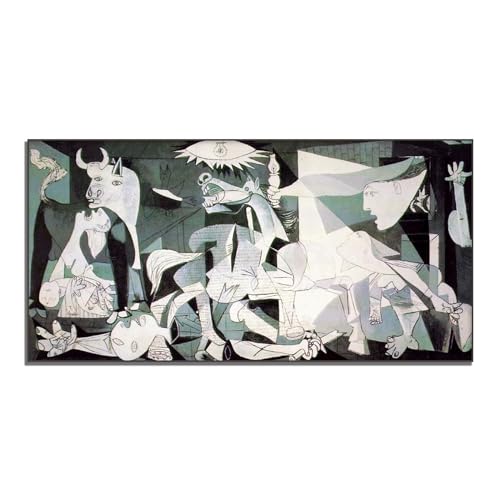
Pablo Picasso Canvas Wall Art Guernica Poster Abstract Art Cubism Painting Famous Oil Painting Print Modern Home Decor Suitable for Bedroom Living Room Office Wall Decor Unframed(12x24in/30x60cm)
High Quality materials: High -quality canvas painting is smooth, elastic, colorful, indoor anti -fading. The surface high -definition…
As an affiliate, we earn on qualifying purchases.
As an affiliate, we earn on qualifying purchases.
Frequently Asked Questions
What Inspired Picasso’s Transition to Cubism?
You’re curious about Picasso’s shift to cubism, which was inspired by his desire for an analytical approach to art and a passion for artistic experimentation. He wanted to break free from traditional perspectives, exploring multiple viewpoints simultaneously. This innovative mindset led him to deconstruct forms and experiment with geometric shapes, transforming how art represented reality. His willingness to challenge norms fueled his groundbreaking move into cubism, shaping modern art forever.
How Did Picasso’s Personal Life Influence His Art?
Imagine your personal relationships and emotional struggles as a mirror reflecting your deepest thoughts—Picasso’s art was no different. You see, his intimate connections and turmoil fueled his creativity, shaping groundbreaking styles like Cubism. His life’s highs and lows infused his work with raw emotion and bold experimentation, proving that personal experiences are often the most powerful catalysts for artistic innovation. His art becomes a vivid diary of his inner world.
Did Picasso Work With Other Art Movements?
You’ll find that Picasso did work with other art movements, blending styles like Abstract Expressionism and Surrealist influences into his work. He constantly experimented, incorporating elements from different movements to push boundaries and create new visual languages. His collaborations and influences helped shape modern art, showing he’s not limited to just Cubism but actively engaged with various artistic trends to evolve his distinctive style.
What Materials Did Picasso Experiment With in His Paintings?
You’re drawn into Picasso’s world of innovation where he experiments with mixed media and unconventional tools. He combines paint, collage, newspaper clippings, and even sculpture elements to create layered textures and meanings. Picasso’s willingness to break traditional boundaries transforms simple materials into symbols of change, reflecting his constant quest for expression. Each piece becomes a puzzle, inviting you to explore the depths of his inventive spirit and the stories hidden within his materials.
How Did Picasso’s Style Evolve After Cubism?
After cubism, you see Picasso’s style evolve with a broader color palette and more diverse thematic focus. He moves toward neoclassicism, emphasizing realistic forms and elegant figures, often inspired by mythology and history. His work becomes more expressive, blending different styles and techniques. You notice a shift from abstract fragmentation to more recognizable imagery, reflecting his constant exploration and desire to reinvent his artistic voice.

Looking at Picasso
As an affiliate, we earn on qualifying purchases.
As an affiliate, we earn on qualifying purchases.
Conclusion
Just as Da Vinci revolutionized the Renaissance, Picasso transformed art with his bold cubism. You now see how his innovative spirit challenged conventions, inviting you to view the world through a new lens. His work reminds you that true creativity breaks boundaries, much like Icarus daring to soar higher. Embrace Picasso’s daring vision, and let it inspire you to think differently—because, like him, you’re capable of shaping your own masterpiece.

Sage Green Boho Wall Art Set of 3, Minimalist Framed Wall Art Geometric Line Leaf Sun Moon Beige Green Canvas Artwork Paintings, Abstract Botanical Boho Room Decor, Office, 12"x16"
【Framed Boho Wall Art Decor】 The size of the boho wall decor set is: 12x16inch (30x40cmx3pcs). With trendy…
As an affiliate, we earn on qualifying purchases.
As an affiliate, we earn on qualifying purchases.

YAFIYGI 7Pcs Textured Art Supplies Kit Paint Scrapers for Drawing Artists Acrylic Painting Texture Tools Canvas Spatula Set for DIY Crafts Learning Knife Pottery Oil Painting
Creative Design: Our colorful plastic paint scrapers come in four different styles, allowing you to produce a variety…
As an affiliate, we earn on qualifying purchases.
As an affiliate, we earn on qualifying purchases.