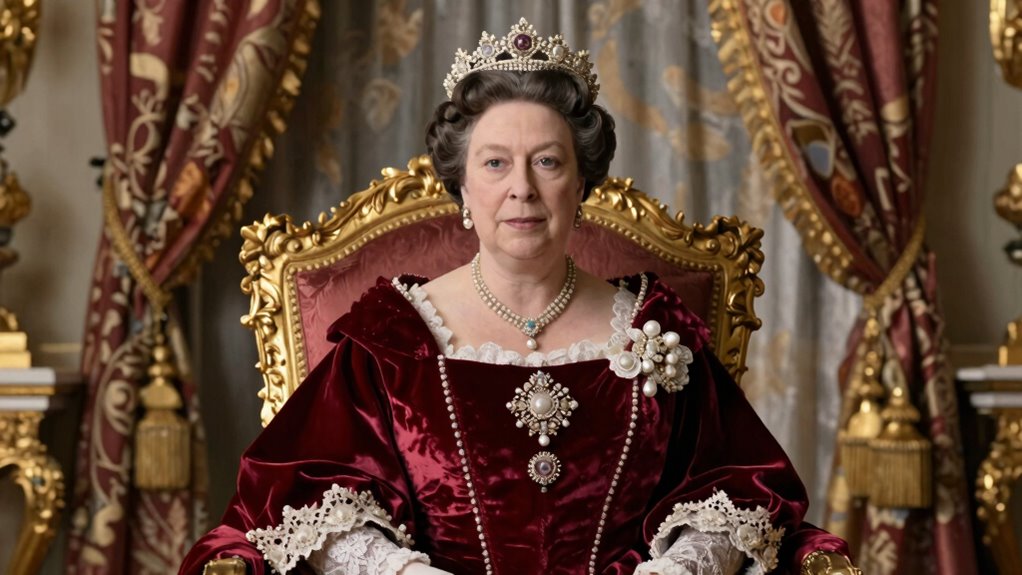

Queen Victoria became queen in 1837 at just 18, guiding Britain through over six decades of social, political, and technological change. Her leadership brought stability and modernized the monarchy, while her influence shaped Victorian architecture and culture. She married Prince Albert, emphasizing family values and strengthening alliances. Her reign fostered national pride and progress, with her legacy still felt today. If you explore further, you’ll discover how her impact extended beyond her lifetime, shaping modern Britain in profound ways.

Get art and craft supplies delivered free — and shop member deals
- Fast, free delivery on millions of items
- Access to Prime Big Deal Days deals on October 6–7
- Prime Video, Amazon Music and more included
Key Takeaways
- Queen Victoria’s long reign (1837-1901) defined the Victorian era’s cultural, political, and architectural identity.
- Her leadership symbolized stability, morality, and progress during a time of rapid social change.
- The era was marked by significant technological, industrial, and societal advancements.
- Victorian architecture and design reflect her influence, emphasizing ornate detail and grandeur.
- The period’s name, “Victorian,” honors her lasting impact on Britain’s national identity and culture.
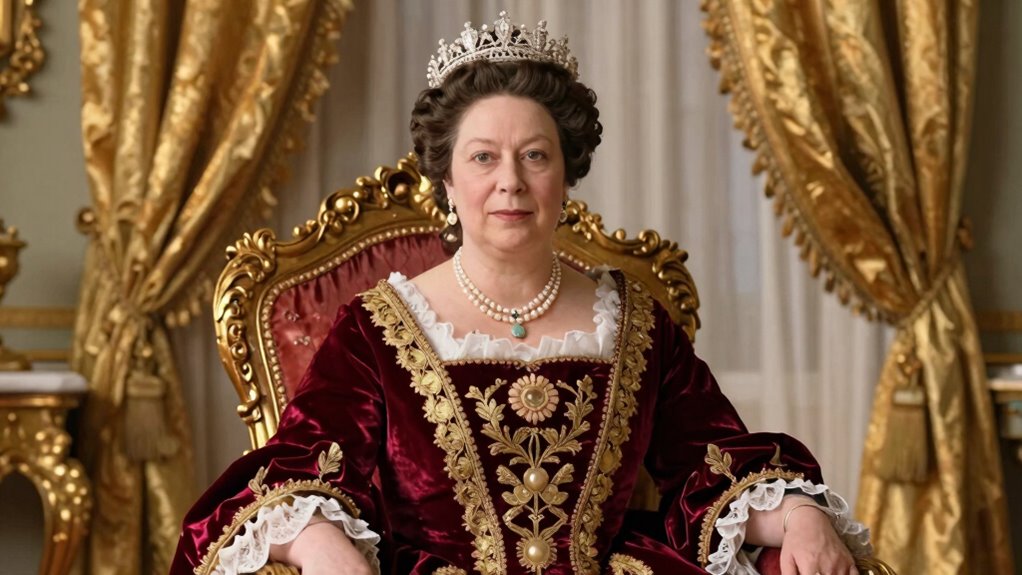
Have you ever wondered how one woman’s reign could shape an entire era? Queen Victoria’s rule wasn’t just a personal journey; it defined a period of profound change across Britain and beyond. Her ascent to the throne was marked by a clear focus on royal succession, solidifying her position amidst intricate family ties and political shifts. When Victoria became queen in 1837, she was just 18, but her firm grip on her role helped stabilize the monarchy during a time of rapid social and economic transformation. Her reign, which lasted over six decades, set a standard for leadership and continuity that influenced generations.
Queen Victoria’s leadership shaped an era of stability, progress, and enduring legacy across Britain and beyond.
During her time on the throne, Victoria became a symbol of stability and morality. Her influence extended beyond politics into the cultural fabric of the nation. This era, often called the Victorian Age, is renowned for its distinctive Victorian architecture, which reflects the values and aspirations of the period. You can notice Victorian architecture’s emphasis on ornate details, grand facades, and a sense of permanence that echoes the queen’s lasting impact. From stately homes to public buildings, the architectural style showcases a desire for order, elegance, and progress. When you walk through cities like London, the intricate facades and towering spires serve as timeless reminders of her era’s grandeur. The Victorian era also saw a rise in the popularity of mood boards, which helped interior designers visualize and plan elaborate spaces that matched the era’s ornate style. Additionally, the era’s artistic innovations contributed significantly to the cultural landscape, influencing design and aesthetic preferences for generations. The period also experienced a surge in literacy rates, which helped spread new ideas and cultural movements across society.
Victoria’s influence on the royal succession was also significant. Her marriage to Prince Albert helped modernize the monarchy, making it more relatable and focused on family values. Their children married into European royal families, strengthening alliances and securing her lineage’s prominence. This strategic approach to royal succession ensured her family’s legacy endured, shaping the monarchy’s future well beyond her lifetime. Her keen involvement in her children’s lives and her dedication to her role as a mother also set new standards for royal conduct, blending personal devotion with public duty. Additionally, the Victorian Age was characterized by advancements in technology and industry, which further transformed the societal landscape she helped shape. Furthermore, her support for emerging technological innovations helped accelerate industrial growth and societal change during her reign.
As you explore her legacy, you see how her reign fostered a sense of national pride and identity. Her leadership helped shape a Britain that balanced tradition with innovation. Victorian architecture, with its blend of Gothic revival and classical influences, embodies the spirit of her era—grounded in history but enthusiastic about progress. Victoria’s influence on royal succession, her style of leadership, and her cultural contributions all intertwine to give her era its distinctive character. She didn’t just rule; she defined a time that still influences the way we view monarchy, architecture, and societal values today.
Victorian architecture decorative accents
As an affiliate, we earn on qualifying purchases.
As an affiliate, we earn on qualifying purchases.
Frequently Asked Questions
What Were Queen Victoria’s Favorite Hobbies?
Queen Victoria’s hobbies included Victorian gardening, which she loved deeply. She enjoyed tending to her plants and often spent time in her private gardens, finding peace and relaxation there. Queen Victoria’s hobbies also extended to reading and music, where she found joy in exploring various genres. Her passion for Victorian gardening allowed her to connect with nature, providing a calming escape from her busy royal duties.
How Did Victoria Influence British Fashion Trends?
You see, Victoria’s influence on British fashion was profound. Her choice of royal dress set trends, making modest, elegant styles popular among her subjects. Her fashion influence extended beyond the palace, inspiring everyday wear with refined fabrics and intricate details. As a result, her personal style helped shape the era’s fashion trends, emphasizing modesty and sophistication, and leaving a lasting impact on British fashion history.
Did Victoria Have Any Secret Children?
You might think she’s an open book, but Queen Victoria kept a few secrets, including questions about hidden offspring. While there’s no solid proof of secret children, some rumors suggest she might have had illegitimate heirs, possibly impacting royal succession. Like a closed door, her private life remains partly shrouded in mystery. Still, official records show her children were well known, leaving little room for hidden surprises.
What Was Victoria’s Relationship With Her Prime Ministers?
You see, Victoria maintained a close, yet somewhat cautious relationship with her prime ministers, balancing her royal authority with their political influence. She played a key role in royal succession decisions and often shared her opinions on government matters, shaping policy behind the scenes. While she trusted some ministers, she kept her independence, ensuring her monarchy’s stability and asserting her influence in political affairs without overstepping constitutional boundaries.
How Did Victoria’s Reign Impact Global Diplomacy?
Like a steady lighthouse guiding ships, Victoria’s reign shaped global diplomacy through strategic diplomatic strategies and fostering international alliances. You see, her influence helped Britain expand its reach, ensuring peaceful relations and strengthening alliances with key nations. Her diplomatic approach set a tone for the era, emphasizing stability and cooperation. As a result, her reign left a lasting mark on international relations, shaping the geopolitical landscape well beyond her lifetime.
As an affiliate, we earn on qualifying purchases.
Conclusion
You can see how Queen Victoria’s reign left an indelible mark on history. Her era, known as the Victorian Age, spanned over 63 years, making it the longest of any British monarch until Queen Elizabeth II. During this time, Britain’s population doubled, reaching around 30 million by 1901. This statistic highlights just how much her influence coincided with a period of rapid growth and change, solidifying her legacy as a symbol of an entire era.
As an affiliate, we earn on qualifying purchases.
As an affiliate, we earn on qualifying purchases.
Halloween Picks
halloween
As an affiliate, we earn on qualifying purchases.