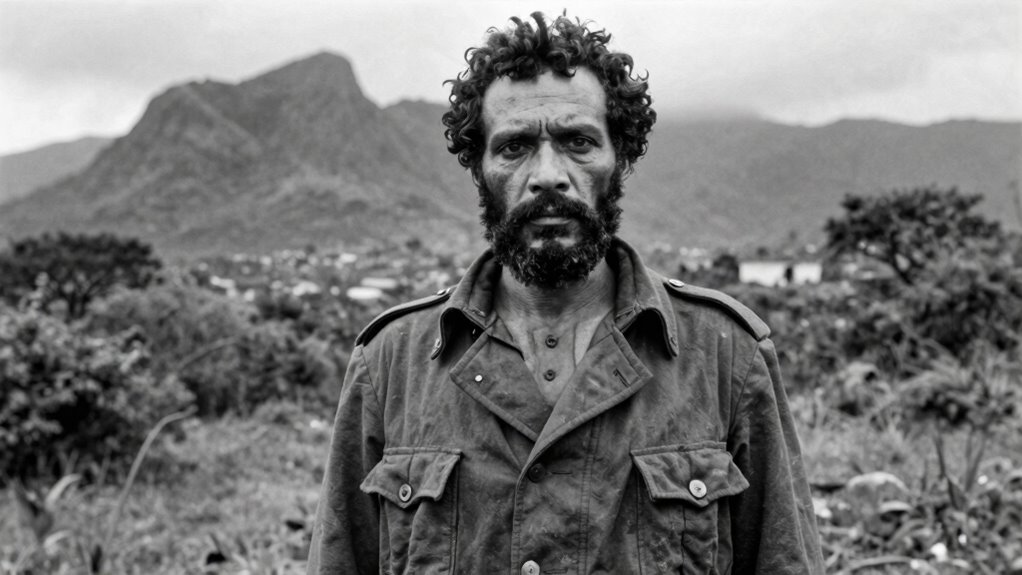

Toussaint Louverture was a transformative leader whose strategic approach challenged colonial power and dismantled systems supporting slavery. He united diverse groups and used diplomacy and military tactics to establish Haiti’s independence, promoting equality and justice. His leadership not only overturned oppression but also inspired future revolutions worldwide. Despite his impact, his full legacy isn’t widely recognized. If you explore further, you’ll discover how his influence reshaped history and why he deserves greater acknowledgment.

Get art and craft supplies delivered free — and shop member deals
- Fast, free delivery on millions of items
- Access to Prime Big Deal Days deals on October 6–7
- Prime Video, Amazon Music and more included
Key Takeaways
- Toussaint Louverture unified diverse groups to lead a revolutionary movement against colonial and slavery systems in Haiti.
- His strategic diplomacy and military tactics effectively dismantled colonial power structures.
- Louverture promoted social equality, economic independence, and justice, challenging centuries of dehumanization of enslaved Africans.
- His leadership transformed Haiti into a semi-autonomous society, inspiring global resistance against oppression.
- Despite his significant impact, his legacy remains underrecognized and deserves more historical acknowledgment.
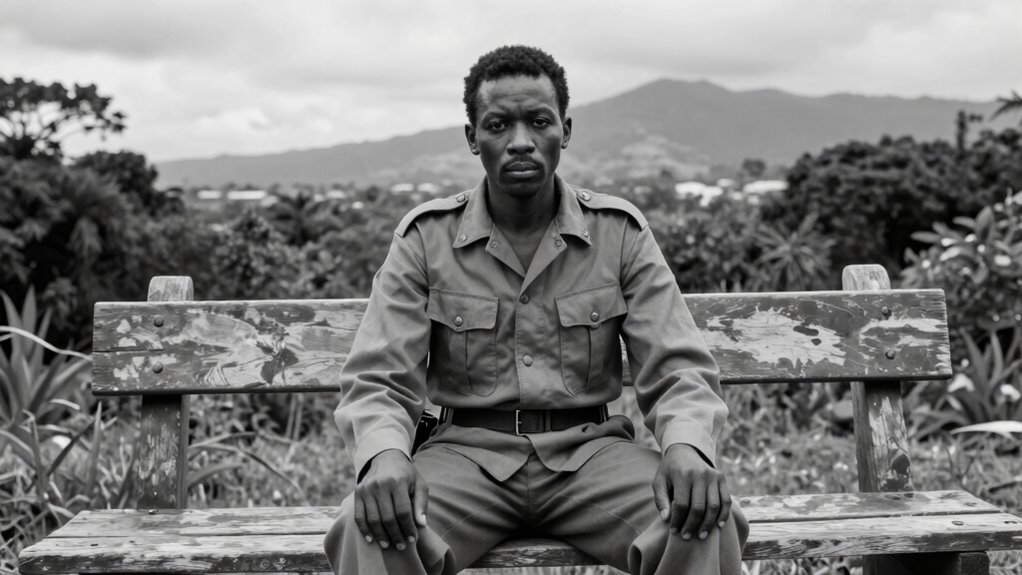
Have you ever wondered how one man’s leadership could ignite a revolution? Toussaint Louverture’s story is a perfect example of that. His leadership didn’t just inspire a group of rebels; it transformed a colony and challenged the very foundations of colonial power. When you look at the colonial impact of his actions, it’s clear he disrupted the oppressive system that kept enslaved Africans subjugated and exploited. The brutal plantation economy, rooted in racial hierarchy and economic greed, faced a formidable opponent in Louverture. His ability to organize, strategize, and motivate rallied a diverse group of formerly enslaved people, free blacks, and even some sympathetic whites. He understood that leadership wasn’t just about commanding — it was about inspiring loyalty, fostering unity, and making strategic decisions that outwitted colonial authorities.
Toussaint Louverture’s leadership united diverse groups to challenge colonial power and ignite a revolutionary transformation.
Louverture’s leadership strategies were remarkably adaptable and pragmatic. He knew the importance of maintaining discipline and order, even in the chaos of rebellion. His military acumen allowed him to forge alliances with different factions, sometimes turning former enemies into allies. Unlike many leaders who relied solely on rhetoric or ideology, Louverture understood the power of practicality. He used diplomacy when necessary and military force when required, always keeping the goal of Haitian independence in focus. His ability to navigate complex political landscapes helped him consolidate power and establish a semi-autonomous government, which was a significant threat to colonial dominance. His mastery in requirements traceability also played a crucial role in maintaining control and accountability during his leadership. Additionally, his keen understanding of colonial systems helped him dismantle the structures that upheld slavery and oppression. Understanding the importance of social dynamics, he actively worked to build alliances and foster cooperation among diverse groups within Haitian society. By leveraging local knowledge and understanding the cultural nuances, Louverture was able to effectively mobilize and legitimize his leadership.
You should recognize that his leadership was also rooted in a deep understanding of the social dynamics at play. Louverture worked tirelessly to dismantle the colonial hierarchy that kept Black people and enslaved Africans in subjugation. He promoted equality among all Haitians, regardless of their background, and pushed for economic independence. His vision extended beyond mere rebellion; he aimed to build a new society based on justice and liberty. This approach was revolutionary, especially considering the colonial context where enslaved Africans had been dehumanized for centuries.
In essence, Louverture’s leadership strategies show how effective, strategic thinking can overturn centuries of oppression. His impact wasn’t just on the battlefield but on the very fabric of colonial society. His ability to challenge colonial authority, adapt his tactics, and inspire hope made him a true revolutionary leader. Yet, history often neglects his story, which deserves more recognition for how one man’s leadership could ignite a revolution and reshape an entire nation.
Toussaint Louverture biography book
As an affiliate, we earn on qualifying purchases.
As an affiliate, we earn on qualifying purchases.
Frequently Asked Questions
What Was Toussaint Louverture’s Early Life Like?
You learn that Toussaint Louverture’s early life was marked by hardship, as he was born into slavery. Despite this, he received some early education, which was rare for someone in his position. His experiences with the slave rebellion fueled his desire for freedom and justice. These early struggles and education shaped his leadership, allowing him to eventually become a key figure in the Haitian Revolution.
How Did Louverture’s Leadership Influence Global Abolition Movements?
You see, leadership is the spark that ignites change. Louverture’s role in the slave rebellion and colonial independence inspired global abolition movements, proving that “power concedes nothing without a demand.” His strategic leadership challenged slavery’s foundation, encouraging other nations to fight for freedom. His influence showed that oppressed people could unite, resist, and demand justice, leaving a legacy that fueled worldwide efforts to end slavery.
What Were Louverture’s Major Military Strategies?
You see, Louverture’s major military strategies included effective use of guerrilla tactics and siege warfare. He employed guerrilla tactics to surprise and weaken larger, better-equipped enemies, leveraging familiarity with the terrain. Additionally, he skillfully conducted siege warfare to cut off supplies and force surrender. These strategies helped him defend and expand his forces, ultimately securing victory for the Haitian Revolution and showcasing his military ingenuity.
How Did Louverture’s Relationships With European Powers Evolve?
Imagine a chess game where alliances shift like the wind. You see, Louverture’s relationships with European powers started with strategic alliances, like France, to bolster his cause. But over time, diplomatic shifts occurred—Spain and Britain, initially allies, turned hostile, forcing him to navigate a treacherous political landscape. His diplomatic finesse kept him afloat, balancing alliances and rivalries, demonstrating how his relationships evolved amid a constantly changing geopolitical chessboard.
What Is Louverture’s Legacy in Modern Haiti?
You see Louverture’s legacy in modern Haiti through his lasting cultural impact and pioneering political reforms. His leadership fostered a strong sense of identity and pride among Haitians, inspiring future generations. Louverture’s efforts to abolish slavery and establish equality laid the groundwork for the nation’s independence. Today, his influence is celebrated as a symbol of resilience and revolutionary spirit, shaping Haiti’s national consciousness and ongoing pursuit of social justice.
Haitian independence history documentary
As an affiliate, we earn on qualifying purchases.
As an affiliate, we earn on qualifying purchases.
Conclusion
You stand at a crossroads, just like Toussaint Louverture did amidst chaos and hope. His unwavering resolve turned a brutal rebellion into a beacon of freedom, much like a lighthouse guiding ships through stormy seas. Remember, history isn’t just about dates and battles—it’s about the courage to ignite change. Toussaint’s legacy reminds you that even in darkness, one determined leader can spark a revolution that lights the way for generations.
revolutionary leadership history book
As an affiliate, we earn on qualifying purchases.
As an affiliate, we earn on qualifying purchases.
colonial history educational kit
As an affiliate, we earn on qualifying purchases.
As an affiliate, we earn on qualifying purchases.
Fall Picks
fall essentials
As an affiliate, we earn on qualifying purchases.