Choosing between full-frame and APS-C sensors greatly impacts your photos. A full-frame offers better image quality, especially in low light, and creates a shallow depth of field for beautiful background blur. It’s ideal for artistic portraits but comes with higher cost and size. APS-C cameras are smaller, lighter, and more affordable, making them great for travel and versatility. To understand which suits your style best, stick around—you’ll discover more about how sensor choices shape your photography.
Key Takeaways
- Full-frame sensors offer better image quality and low-light performance due to larger light-gathering capabilities.
- The choice affects depth of field control, enabling more creative background blur with full-frame cameras.
- APS-C sensors provide a crop factor that benefits wildlife and sports photography by magnifying focal lengths.
- Full-frame cameras are generally larger and more expensive, impacting portability and budget considerations.
- Sensor size influences your overall shooting style, from scene breadth to focus control and artistic flexibility.

Are you unsure whether to choose a full-frame or APS-C camera? The decision hinges on understanding how sensor size impacts your photography, especially when it comes to depth of field. Full-frame sensors are larger than APS-C sensors, which means they capture more light and detail. This larger sensor size gives you a significant advantage in controlling depth of field. When you shoot with a full-frame camera, you can achieve a shallower depth of field more easily, creating those beautiful background blur effects that make your subject pop. This is especially useful for portraits or artistic shots where isolating the subject matters. Conversely, APS-C sensors are smaller, which limits your ability to create a very shallow depth of field. Instead, you’ll notice that more of your scene stays in focus, which can be beneficial for landscape or macro photography where sharpness throughout the image is desired.
Because of their larger sensor size, full-frame cameras tend to perform better in low-light conditions. They gather more light because of their bigger sensor area, resulting in cleaner images with less noise at higher ISO settings. This advantage becomes clear when you’re shooting in dim environments or trying to capture a moment without a flash. On the other hand, APS-C cameras, being more compact and affordable, still perform well in many situations. They often have a crop factor, typically around 1.5x or 1.6x, which effectively magnifies your lens’s focal length. This can be advantageous if you’re into wildlife or sports photography, as it allows you to get closer to your subject without needing a longer, more expensive lens. Additionally, understanding how contrast ratio influences image quality can help you select a camera system that meets your needs for dynamic range and detail. Moreover, the smaller sensor size can contribute to lighter and more portable camera setups, making them ideal for travel or street photography.
Your choice also depends on your style and the kind of photography you pursue. If you want ultimate control over depth of field and superior low-light performance, a full-frame camera might be the better investment. However, if portability, affordability, and versatility are more critical, an APS-C camera can serve you well. Keep in mind that the sensor size directly influences your creative options, especially regarding how much of your scene is in focus or blurred. Understanding these differences helps you choose a camera that aligns with your goals and shooting style, ensuring you don’t just take pictures but craft compelling images.

Canon EOS RP Full-Frame Mirrorless Interchangeable Lens Camera + RF24-105mm Lens F4-7.1 is STM Lens Kit- Compact and Lightweight for Traveling and Vlogging, Black (3380C132)
Compact, Lightweight and High-Quality RF Lens with a Versatile Zoom Range of 24-105 millimeter
As an affiliate, we earn on qualifying purchases.
As an affiliate, we earn on qualifying purchases.
Frequently Asked Questions
How Does Sensor Size Affect Low-Light Performance?
Sensor size considerably impacts low-light performance because larger sensors reduce sensor noise, making night photography clearer. With a full-frame sensor, you get better light capture, resulting in brighter images with less grain, especially in dark settings. Smaller APS-C sensors tend to produce more noise in low-light situations, which can compromise image quality. So, if you prioritize night photography, choosing a camera with a larger sensor can make a noticeable difference.
Are Full-Frame Cameras More Durable Than APS-C?
Think of your camera as a fortress; a full-frame is like a stone castle, built with thicker walls, making it more resistant to wear and tear, so it’s generally more durable. Its sensor durability withstands rougher conditions better, and lens compatibility often means it’s designed for tougher use. APS-C cameras are more like a wooden hut—lighter but less resilient. So, if durability matters, full-frame cameras usually hold up better over time.
Can APS-C Cameras Use Full-Frame Lenses?
Yes, APS-C cameras can use full-frame lenses, but lens compatibility depends on your camera’s mount. Keep in mind the crop factor implications; using a full-frame lens on an APS-C camera effectively narrows your field of view, making the lens appear more zoomed-in. This means you’ll need to take into account how the crop factor impacts your framing, especially if you’re aiming for wide-angle shots.
How Does Crop Factor Influence Composition?
Did you know crop factor can make your subject appear 1.5 times larger? It directly influences your composition framing by cropping the image, which alters how much of the scene you capture. With smaller sensors like APS-C, you’ll notice this crop factor tightens your frame, helping you focus on details. This means you need to adjust your composition to get the shot you envision, considering the sensor size’s impact on framing.
Which Camera Type Is Better for Astrophotography?
For astrophotography, a full-frame camera is generally better because it captures more light, reducing sensor noise and delivering clearer, more detailed images of the night sky. You’ll also benefit from better lens compatibility, especially with wide-angle lenses that are essential for capturing expansive star fields. While APS-C cameras are more affordable, their increased crop factor and higher sensor noise can limit your ability to achieve professional-quality astrophotographs.
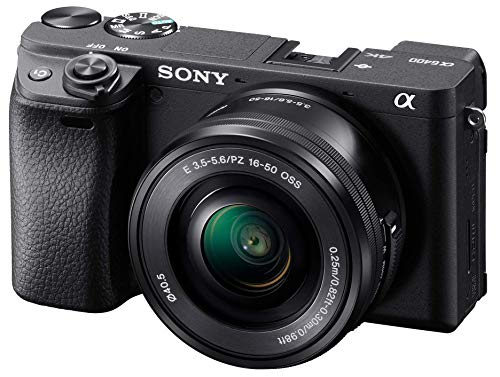
Sony Alpha a6400 Mirrorless Camera: Compact APS-C Interchangeable Lens Digital Camera with Real-Time Eye Auto Focus, 4K Video, Flip Screen & 16-50mm Lens – E Mount Compatible – ILCE-6400L/B, Black
20.1MP stacked back illuminated 1" Exmor RS CMOS sensor w/ DRAM, large aperture 24-70mm1 F1.8-2.8 ZEISS Vario-Sonnar T…
As an affiliate, we earn on qualifying purchases.
As an affiliate, we earn on qualifying purchases.
Conclusion
Choosing between full-frame and APS-C isn’t just about camera size or price—it’s about your creative journey. Will you prioritize stunning detail and low-light performance, or prefer a more compact, budget-friendly option? Ultimately, your decision shapes the images you capture and how you grow as a photographer. So, what kind of stories do you want your camera to tell? Make the choice that aligns with your goals and see where it takes you.

Canon RF100-400mm F5.6-8 is USM, Telephoto
Compact, lightweight and high-image quality RF tele zoom lens, with a versatile zoom range of 100-400mm
As an affiliate, we earn on qualifying purchases.
As an affiliate, we earn on qualifying purchases.

Tamron 70-300mm F/4.5-6.3 Di III RXD for Sony Mirrorless Full Frame/APS-C E-Mount (Tamron 6 Year Limited USA Warranty), Black
Supreme lightweight portability that makes telephoto shooting fun
As an affiliate, we earn on qualifying purchases.
As an affiliate, we earn on qualifying purchases.