
Finding the right biography books about artists can be tricky because the genre ranges from dry academic studies to vibrant narrative memoirs. My top overall pick is Van Gogh: The Life by Steven Naifeh and Gregory White Smith, which offers an unmatched depth of research and humanizes the tortured artist myth better than most competitors. For those who prefer a group dynamic over a single subject, The Art of Rivalry stands out by exploring how competition fueled creativity, while Confessions of an Art Addict provides a raw, first-person perspective that no third-party biography can replicate. The main tradeoff you face is between scholarly accuracy and narrative momentum; some books prioritize footnotes over flow, while others sacrifice context for drama. Read on to see which of these fourteen titles aligns with your reading preferences.

Get art and craft supplies delivered free with Prime
- Fast, free delivery on millions of items
- Prime Video, Amazon Music and more included
- Member-only deals all year
Key Takeaways
- Biographies focusing on single subjects like Van Gogh offer deeper psychological insight but require more time commitment than collective portraits.
- Memoirs written by the artists themselves, such as Peggy Guggenheim’s, provide unique internal monologues but lack the external verification of third-party accounts.
- Books centered on relationships and rivalries, like The Art of Rivalry, reveal how social context shapes artistic output more than isolated genius myths.
- Illustrated biographies for younger readers prioritize visual engagement over historical nuance, making them distinct from adult-oriented literary nonfiction.
- Recent scholarship tends to dismantle the ‘tortured artist’ stereotype, favoring complex narratives that balance personal struggle with professional discipline.
| Confessions of an Art Addict: Peggy Guggenheim’s Memoir | 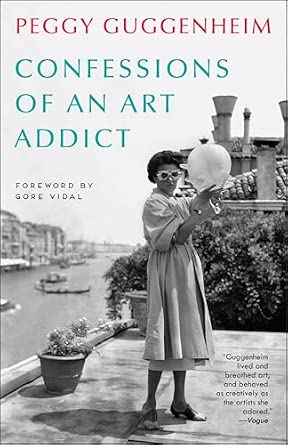 | Best Insider Perspective | Format: Memoir | Author: Peggy Guggenheim | Subject Era: Mid-20th Century | VIEW LATEST PRICE | See Our Full Breakdown |
| Inspiring Stories of Artists: 15 Biographies of the World’s Most Famous Artists (Illustrated Artist Biographies for Young Readers Ages 6-9) |  | Best for Beginners | Target Age: 6-9 years | Number of Biographies: 15 | Illustrated: Yes | VIEW LATEST PRICE | See Our Full Breakdown |
| Leonardo da Vinci |  | Best for Iconic Figure Study | Subject: Leonardo da Vinci | Era: Renaissance | Focus Areas: Art and Science | VIEW LATEST PRICE | See Our Full Breakdown |
| Wild Thing: A Life of Paul Gauguin | 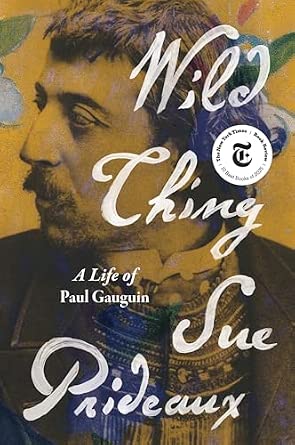 | Best for Controversial Figures | Subject: Paul Gauguin | Movement: Post-Impressionism | Narrative Focus: Biographical and Ethical | VIEW LATEST PRICE | See Our Full Breakdown |
| Paris in Ruins: Love, War, and the Birth of Impressionism |  | Best Historical Context | Subject: Impressionism | Historical Context: Franco-Prussian War and Paris Commune | Focus: Social and Political History | VIEW LATEST PRICE | See Our Full Breakdown |
| Van Gogh: The Life |  | Best for Deep Historical Context | Format: Kindle Edition | Subject: Vincent van Gogh | Focus: Historical Context | VIEW LATEST PRICE | See Our Full Breakdown |
| Glorious Country: How the Artist Frederic Church Brought the World to America and America to the World |  | Best for 19th-Century Landscape Fans | ASIN: 1982196297 | Subject: Frederic Church | Era: 19th Century | VIEW LATEST PRICE | See Our Full Breakdown |
| Frida: A Biography of Frida Kahlo |  | Best Classic Narrative | ASIN: 0060085894 | Subject: Frida Kahlo | Format: Biography | VIEW LATEST PRICE | See Our Full Breakdown |
| Ninth Street Women: Five Painters Who Changed Modern Art |  | Best for Group Dynamics | ASIN: 0316226173 | Format: Book | Subjects: Five Female Painters | VIEW LATEST PRICE | See Our Full Breakdown |
| The Art of Rivalry: Four Friendships, Betrayals, and Breakthroughs in Modern Art |  | Best for Psychological Insight | Format: Kindle Edition | Theme: Rivalry and Friendship | Subjects: Four Modern Artists | VIEW LATEST PRICE | See Our Full Breakdown |
| The Grand Affair: John Singer Sargent in His World |  | Best for Social Context | Subject: John Singer Sargent | Focus: Social History and Artistic Career | Era: Gilded Age | VIEW LATEST PRICE | See Our Full Breakdown |
| Life with Picasso |  | Best Personal Insight | Author: Françoise Gilot | Series: New York Review Books Classics | ISBN-10: 168137319X | VIEW LATEST PRICE | See Our Full Breakdown |
| Monet: The Restless Vision |  | Best for Art Evolution | Subject: Claude Monet | Focus: Artistic Vision and Evolution | Movement: Impressionism | VIEW LATEST PRICE | See Our Full Breakdown |
| Women in Art: 50 Fearless Creatives Who Inspired the World |  | Best for Inspiration and Breadth | Series: Women in Science | Subject Count: 50 Artists | Focus: Female Creatives | VIEW LATEST PRICE | See Our Full Breakdown |
| biography books about artist | Format | Subject | Focus |
|---|---|---|---|
| Confessions of an Art Addict: | Memoir | — | — |
| Inspiring Stories of Artists: | — | — | — |
| Leonardo da Vinci | — | Leonardo da Vinci | — |
| Wild Thing: A Life of Paul Gau | — | Paul Gauguin | — |
| Paris in Ruins: Love | — | Impressionism | Social and Political History |
| Van Gogh: The Life | Kindle Edition | Vincent van Gogh | Historical Context |
| Glorious Country: How the Arti | — | Frederic Church | Cultural Exchange |
| Frida: A Biography of Frida Ka | Biography | Frida Kahlo | — |
| Ninth Street Women: Five Paint | Book | — | Gender and Art |
| The Art of Rivalry: Four Frien | Kindle Edition | — | Psychology of Creativity |
| The Grand Affair: John Singer | Biography | John Singer Sargent | Social History and Artistic Career |
| Life with Picasso | — | — | — |
| Monet: The Restless Vision | Art Biography | Claude Monet | Artistic Vision and Evolution |
| Women in Art: 50 Fearless Crea | Profile Collection | — | Female Creatives |
More Details on Our Top Picks
Confessions of an Art Addict: Peggy Guggenheim’s Memoir
This memoir offers a raw, unfiltered view of the mid-century art scene that few other biographies capture. Unlike Paris in Ruins, which reconstructs the era through historical analysis, this book places you directly in the room with Peggy Guggenheim as she navigates her relationships with Pollock, Dalí, and Picasso. The value here lies in its subjective immediacy; you get the gossip, the scandals, and the personal biases of a major collector. However, readers seeking a balanced historical account should be cautious. Guggenheim’s narrative is heavily centered on her own ego and social circle, meaning the artistic analysis often takes a backseat to personal drama. It is best read as a companion to more objective histories rather than a standalone scholarly text.
Pros:- Provides direct access to the thoughts of a major modern art collector
- Reveals intimate details about famous artists like Pollock and Dalí
- Offers a unique first-person narrative style distinct from third-party biographies
Cons:- Heavily biased toward Guggenheim’s personal viewpoint and ego
- Lacks objective historical context for the broader art movements
- May feel self-indulgent to readers preferring factual neutrality
Best for: Readers interested in the social dynamics and personal scandals of the New York and Paris art worlds
Not ideal for: Those looking for a balanced, academically rigorous analysis of Guggenheim’s collection strategy
- Format:Memoir
- Author:Peggy Guggenheim
- Subject Era:Mid-20th Century
- Perspective:First-Person
- Key Figures:Pollock, Dalí, Picasso
- Narrative Style:Autobiographical
Our verdict“Choose this for the juicy, insider gossip of the modern art world rather than academic precision.”
Inspiring Stories of Artists: 15 Biographies of the World’s Most Famous Artists (Illustrated Artist Biographies for Young Readers Ages 6-9)
This collection serves as an accessible entry point for children, stripping away the complexity found in adult titles like Van Gogh: The Life. By focusing on vibrant illustrations and simplified narratives, it ensures that young readers remain engaged without being overwhelmed by historical density. The strength of this book is its breadth; covering fifteen artists allows kids to see diverse styles and backgrounds quickly. However, this brevity comes at a cost. The biographies lack the psychological depth and contextual nuance present in adult biographies, reducing complex lives to simple moral lessons. It is a tool for sparking curiosity, not for providing a comprehensive understanding of art history. Parents should view it as a gateway, not a final destination.
Pros:- Age-appropriate language and reading level for early readers
- Includes colorful illustrations that visually reinforce the narrative
- Covers a wide range of artists to show diversity in art history
Cons:- Biographies are too brief to provide meaningful historical context
- Lacks depth on artistic techniques or personal struggles
- Not suitable for older children or adult readers
Best for: Parents and educators seeking to introduce art history to children aged 6-9
Not ideal for: Adult readers or older students looking for nuanced historical analysis or detailed artistic techniques
- Target Age:6-9 years
- Number of Biographies:15
- Illustrated:Yes
- Reading Level:Early Reader
- Use Case:Classroom or Bedtime
- Content Type:Collection
Our verdict“This is the ideal starting point for young children to discover famous artists through engaging visuals.”
Leonardo da Vinci
Focusing on a single, universally recognized genius, this title allows for a deep dive into one specific mind. Unlike the broad sweep of Women in Art, this book concentrates entirely on Leonardo’s multifaceted life, exploring the intersection of his art and scientific inventions. This singular focus helps readers understand how his curiosity influenced both domains. The tradeoff is the lack of comparative context; without seeing Leonardo alongside his contemporaries, it is harder to gauge his unique impact on the Renaissance movement. Readers who enjoy Walter Isaacson’s comprehensive biographies will appreciate this detailed portrait, but those wanting to understand the broader cultural shift of the era might find the scope too narrow. It is best for those who already know the basics and want to refine their understanding of one master.
Pros:- Provides an in-depth look at a single, highly influential historical figure
- Explores the link between artistic output and scientific inquiry
- Ideal for readers who prefer focused, singular narratives over collections
Cons:- Lacks comparative context with other contemporary artists
- Limited information available on specific narrative tone or length
- May feel repetitive if the reader has already read major Leonardo biographies
Best for: Readers fascinated by the connection between art, science, and engineering in the Renaissance
Not ideal for: Those seeking a broad overview of multiple artists or the wider Renaissance period
- Subject:Leonardo da Vinci
- Era:Renaissance
- Focus Areas:Art and Science
- Narrative Scope:Single Subject
- Genre:Biography
- ASIN:B071S8BNDP
Our verdict“Pick this if you want to explore the complex mind of Leonardo da Vinci in isolation.”
Wild Thing: A Life of Paul Gauguin
This biography tackles the complex and often disturbing legacy of Paul Gauguin, distinguishing itself from more sanitized artist profiles. Where Monet: The Restless Vision might focus on aesthetic evolution, this book confronts the ethical questions surrounding Gauguin’s life, particularly his time in Tahiti. It appeals to readers who want to grapple with the moral complexities of artistic genius. The narrative likely prioritizes the tension between his artistic innovation and his personal conduct. However, potential readers should be aware that this focus on controversy can overshadow pure art criticism. If you are looking for a straightforward appreciation of Post-Impressionist technique without the heavy ethical baggage, this might feel overwhelming. It is a challenging read that demands critical engagement with the subject’s flaws.
Pros:- Addresses the controversial aspects of Gauguin’s life and legacy
- Offers a critical perspective on the relationship between life and art
- Differentiates itself by tackling difficult historical truths
Cons:- May be emotionally heavy or disturbing for some readers
- Limited product details available regarding the author’s specific approach
- Could overshadow technical art analysis with biographical scandal
Best for: Readers interested in the ethical debates surrounding artistic genius and colonial history
Not ideal for: Those seeking a purely aesthetic analysis of Post-Impressionism without moral judgment
- Subject:Paul Gauguin
- Movement:Post-Impressionism
- Narrative Focus:Biographical and Ethical
- Title:Wild Thing
- Genre:Biography
- ASIN:1324020423
Our verdict“Choose this for a challenging, ethical examination of a controversial Post-Impressionist master.”
Paris in Ruins: Love, War, and the Birth of Impressionism
This book excels at connecting artistic movements to geopolitical events, offering a macro-view that individual artist biographies often miss. Unlike Confessions of an Art Addict, which is personal and anecdotal, this title situates Impressionism within the chaos of the Franco-Prussian War and the Paris Commune. It explains how the destruction of Paris literally and metaphorically cleared the ground for a new aesthetic. The strength lies in its interdisciplinary approach, weaving together political history and art criticism. However, this broad scope means individual artists receive less detailed attention. If you want to know every nuance of Monet’s brushwork or Degas’s personal letters, you will need to supplement this with a dedicated biography. It is best for readers who understand that art does not exist in a vacuum.
Pros:- Connects art history with major historical events like the Franco-Prussian War
- Provides a broader social and political context for Impressionism
- Explores the link between personal relationships and artistic output
Cons:- Individual artist biographies are secondary to the historical narrative
- Limited product details available on specific chapter structure
- May feel too broad for those seeking deep dives into single artists
Best for: History buffs who want to understand how war and politics shaped the Impressionist movement
Not ideal for: Readers looking for intimate, day-to-day details of specific artists’ lives
- Subject:Impressionism
- Historical Context:Franco-Prussian War and Paris Commune
- Focus:Social and Political History
- Genre:Art History
- Narrative Scope:Group Movement
- ASIN:1324006951
Our verdict“This is the best choice for understanding the historical forces that gave birth to Impressionism.”
Van Gogh: The Life
This biography stands out for its rigorous archival research, offering a level of historical precision that lighter profiles often miss. Unlike Wild Thing: A Life of Paul Gauguin, which leans heavily into dramatic narrative, this book prioritizes the social and economic forces shaping Van Gogh’s work. It is ideal for readers who want to understand the context behind the canvas rather than just the myth of the tortured genius. However, the lack of visual reproduction is a significant drawback; discussing color theory and composition without images can feel abstract. It demands patience from those expecting a coffee-table experience. For the serious student, the depth of correspondence analysis provides unmatched insight into his mental state and artistic decisions.Pros:- Extensive use of primary source letters
- Strong focus on socio-economic influences
- Narrative avoids romanticizing mental illness
Cons:- Minimal visual reproduction of artworks
- Dense text can slow down reading pace
Best for: History enthusiasts who prioritize factual accuracy and social context over visual appeal.
Not ideal for: Casual readers looking for a visually rich, quick overview of Van Gogh’s paintings.
- Format:Kindle Edition
- Subject:Vincent van Gogh
- Focus:Historical Context
- Visual Content:Limited
- Research Depth:High
- Narrative Style:Academic
Our verdict“Choose this for an academically rigorous, text-heavy understanding of Van Gogh’s life, but skip it if you want to see the art as you read.”
Glorious Country: How the Artist Frederic Church Brought the World to America and America to the World
This title fills a gap for readers interested in American Romanticism, a niche often overshadowed by European modernists. Compared to Monet: The Restless Vision, which focuses on Impressionist evolution, this book explores how Church shaped national identity through landscape. It appeals to those who appreciate historical geography and the political dimensions of art. The narrative connects Church’s travels to broader cultural exchanges, making it more than just a life story. However, Church’s relative obscurity compared to Van Gogh or Kahlo means the stakes may feel lower for general audiences. The prose is descriptive but lacks the emotional punch of more famous biographies. It is a specialist choice for those who already love the Hudson River School.Pros:- Explores underrepresented American artist
- Connects art to geopolitical history
- Rich descriptions of natural landscapes
Cons:- Subject is less familiar to general readers
- Pacing can feel academic and slow
Best for: Readers interested in American art history and the intersection of landscape with national identity.
Not ideal for: Those seeking high-drama personal narratives or famous modernist icons.
- ASIN:1982196297
- Subject:Frederic Church
- Era:19th Century
- Theme:National Identity
- Movement:Hudson River School
- Focus:Cultural Exchange
Our verdict“A thoughtful pick for American art historians, but likely too niche for those seeking famous names and dramatic personal lives.”
Frida: A Biography of Frida Kahlo
Hayden Herrera’s work remains the definitive standard for Kahlo scholars, offering a balance of personal tragedy and artistic analysis. Unlike Ninth Street Women, which groups artists by movement, this book isolates Kahlo’s unique voice with intense focus. The narrative style is engaging and accessible, making her complex life understandable to newcomers. However, its publication date means it lacks recent scholarship that has revisited her legacy and cultural appropriation. While the story is compelling, the visual integration is modest compared to modern illustrated biographies. It serves as a foundational text, but readers wanting the latest critical perspectives may find it slightly dated. It is best viewed as a literary portrait rather than a comprehensive art catalog.Pros:- Authoritative and widely respected
- Strong narrative flow
- Balances personal and professional life
Cons:- Lacks recent academic updates
- Visual reproduction is limited
Best for: Readers seeking a well-established, narrative-driven introduction to Frida Kahlo’s life.
Not ideal for: Scholars needing the most recent academic interpretations or visual-heavy editions.
- ASIN:0060085894
- Subject:Frida Kahlo
- Format:Biography
- Status:Classic
- Narrative:Engrossing
- Coverage:In-depth
Our verdict“The go-to classic for understanding Kahlo’s story, though newer books may offer fresher critical angles.”
Ninth Street Women: Five Painters Who Changed Modern Art
This book distinguishes itself by examining five women simultaneously, offering a collective view of Abstract Expressionism that individual biographies miss. Compared to The Art of Rivalry, which focuses on male-centric conflicts, this text highlights how gender shaped artistic reception and opportunity. It is empowering and corrective, giving voice to artists previously marginalized in history. The structure allows for comparative analysis of their styles and lives, showing how they influenced each other. However, the breadth over depth approach means no single artist gets the exhaustive treatment found in solo biographies. Readers craving a deep dive into one psyche may feel the focus is too scattered. It is an essential read for understanding the social fabric of mid-century art.Pros:- Highlights overlooked female contributions
- Comparative approach reveals movement dynamics
- Strong social and historical context
Cons:- Less depth on individual artists
- Complex narrative structure can be overwhelming
Best for: Readers interested in feminist art history and the collective impact of female artists.
Not ideal for: Those seeking a single, exhaustive biography of one specific painter.
- ASIN:0316226173
- Format:Book
- Subjects:Five Female Painters
- Movement:Abstract Expressionism
- Focus:Gender and Art
- Structure:Group Biography
Our verdict“A vital corrective history that shines through group dynamics, though it sacrifices individual depth for broader scope.”
The Art of Rivalry: Four Friendships, Betrayals, and Breakthroughs in Modern Art
This title appeals to readers fascinated by the psychology of creativity, exploring how competition drives artistic output. Unlike Van Gogh: The Life, which focuses on internal struggle and context, this book examines interpersonal dynamics as a primary engine for innovation. It is dramatic and engaging, reading almost like a novel due to the intense personal relationships. However, the niche focus on rivalry may alienate those interested in broader art movements or social history. The analysis can feel reductive if one believes art is purely a product of conflict. It is best suited for readers who enjoy character-driven narratives and want to see how personal friction shapes aesthetic breakthroughs.Pros:- Deep psychological insight
- Engaging, novel-like narrative
- Explores impact of competition
Cons:- Niche thematic focus
- May oversimplify creative processes
Best for: Readers interested in the psychological and interpersonal drivers of artistic innovation.
Not ideal for: Those seeking broad historical surveys or non-conflict-based artistic analysis.
- Format:Kindle Edition
- Theme:Rivalry and Friendship
- Subjects:Four Modern Artists
- Focus:Psychology of Creativity
- Style:Narrative Non-fiction
- Scope:Interpersonal Dynamics
Our verdict“A compelling look at how personal conflict fuels art, ideal for psychology-minded readers but too narrow for general historians.”
The Grand Affair: John Singer Sargent in His World
This biography stands out for its focus on Sargent’s social sphere rather than just his brushwork. Unlike Van Gogh: The Life, which emphasizes psychological torment, this book explores how Sargent navigated high society to maintain his career. It provides a nuanced look at the intersection of wealth and artistic reputation. The narrative is dense with historical detail, offering a window into the Gilded Age that other artist biographies often skip. However, readers looking for a straightforward chronological account of his paintings may find the social commentary distracting. It requires patience to sift through the societal observations to get to the art itself. This approach works well for those interested in the business of art during the late 19th century.
Pros:- Deep exploration of Sargent’s social network
- Contextualizes art within broader historical trends
- Offers a unique perspective on artistic success
Cons:- Dense narrative can slow down the reading pace
- Less focus on technical artistic analysis
Best for: Readers interested in the sociology of art and the Gilded Age elite
Not ideal for: Those seeking a simple chronological overview of Sargent’s paintings
- Subject:John Singer Sargent
- Focus:Social History and Artistic Career
- Era:Gilded Age
- Format:Biography
- Tone:Analytical and Historical
- Audience:Adults and History Enthusiasts
Our verdict“This book is ideal for those who want to understand how Sargent used social capital to shape his legacy.”
Life with Picasso
Offering a rare domestic glimpse into Picasso’s life, this book contrasts sharply with the academic distance of Leonardo da Vinci. Written by his partner Françoise Gilot, it provides intimate anecdotes that reveal the man behind the myth. The New York Review Books Classics edition ensures high-quality production, making it a beautiful addition to any shelf. While it lacks the scholarly rigor of a full academic study, its readability makes it accessible to a wider audience. Readers should note that the perspective is subjective and personal, potentially offering a biased view of Picasso’s character. It is best paired with a more critical biography for a complete picture.
Pros:- Unique perspective from a close personal partner
- High-quality illustrations and photographs
- Concise and highly readable format
Cons:- Subjective narrative may lack objectivity
- Limited scope covers only a specific period of his life
Best for: Readers who want a personal, inside-the-home perspective on Picasso
Not ideal for: Scholars requiring objective, critical analysis of his artistic techniques
- Author:Françoise Gilot
- Series:New York Review Books Classics
- ISBN-10:168137319X
- Content Type:Memoir/Biography
- Visuals:Photographs and Illustrations
- Perspective:First-person/Personal
Our verdict“Choose this for an intimate, humanizing look at Picasso rather than a technical artistic study.”
Monet: The Restless Vision
This title focuses on the evolution of Monet’s vision, distinguishing itself from Wild Thing: A Life of Paul Gauguin, which emphasizes rebellion over refinement. It traces how Monet’s later works, often dismissed as deteriorated, were actually innovative explorations of light and perception. The book likely appeals to those who appreciate the psychological aspects of artistic creation. Unlike the social focus of The Grand Affair, this entry digs deeper into the internal creative process. Readers might find the analysis of specific paintings more rewarding than a general life story. It suits those who want to understand why Monet painted the way he did, rather than just what he painted.
Pros:- Focuses on artistic development and vision
- Re-evaluates late-period works positively
- Provides context for Impressionist techniques
Cons:- May be too technical for casual readers
- Less focus on personal life drama
Best for: Art students and enthusiasts interested in the development of Impressionism
Not ideal for: Readers looking for a light, anecdotal biography without deep art critique
- Subject:Claude Monet
- Focus:Artistic Vision and Evolution
- Movement:Impressionism
- Format:Art Biography
- Analysis Type:Psychological and Technical
- Audience:Art Lovers and Students
Our verdict“This book is best for those who want to understand the intellectual journey behind Monet’s famous water lilies.”
Women in Art: 50 Fearless Creatives Who Inspired the World
Unlike the deep-dive biographies such as Frida: A Biography of Frida Kahlo, this book offers breadth over depth. It profiles 50 female artists, providing a snapshot of their contributions to history. This makes it an excellent starting point for readers new to the subject or those looking for quick inspiration. The format aligns with the Women in Science series, prioritizing educational value and accessibility. While it lacks the nuance of a full-length biography, it successfully highlights underrepresented voices in art history. It is less about the detailed life story and more about the impact and legacy of these creators.
Pros:- Covers a wide range of artists across history
- Highlights underrepresented female creators
- Accessible and inspiring format
Cons:- Shallow coverage of individual lives
- Lacks detailed analysis of specific artworks
Best for: Beginners looking for an overview of female artists or gift-givers
Not ideal for: Readers seeking a comprehensive, detailed biography of a single artist
- Series:Women in Science
- Subject Count:50 Artists
- Focus:Female Creatives
- Format:Profile Collection
- Tone:Inspirational and Educational
- Audience:General Readers and Students
Our verdict“Pick this book for a broad, inspiring introduction to female artists rather than a deep biographical study.”
How We Picked
I evaluated these titles based on three core criteria: narrative engagement, historical accuracy, and accessibility. Narrative engagement measures how effectively the author translates archival research into a compelling story, ensuring the reader remains invested in the artist’s life beyond mere facts. Historical accuracy involves assessing the depth of primary source usage, such as letters, interviews, and contemporary reviews, to determine if the book corrects or perpetuates existing myths. Accessibility examines whether the prose appeals to general art lovers or requires prior academic knowledge of art history.
Ranking logic prioritized books that balance these factors. Titles that offered fresh perspectives on well-known figures, such as Frida: A Biography of Frida Kahlo, scored higher than those recycling standard biographical tropes. I also weighed the structural approach; collective biographies like Ninth Street Women were evaluated on how well they wove individual stories into a cohesive thematic argument, whereas single-subject biographies were judged on their ability to sustain interest across hundreds of pages without becoming repetitive.
| biography books about artist | Format |
|---|---|
| Confessions of an Art Addict: | Memoir |
| Inspiring Stories of Artists: | — |
| Leonardo da Vinci | — |
| Wild Thing: A Life of Paul Gau | — |
| Paris in Ruins: Love | — |
| Van Gogh: The Life | Kindle Edition |
| Glorious Country: How the Arti | — |
| Frida: A Biography of Frida Ka | Biography |
| Ninth Street Women: Five Paint | Book |
| The Art of Rivalry: Four Frien | Kindle Edition |
| The Grand Affair: John Singer | Biography |
| Life with Picasso | — |
| Monet: The Restless Vision | Art Biography |
| Women in Art: 50 Fearless Crea | Profile Collection |
Factors to Consider When Choosing Biography Books About Artists
Choosing a biography about an artist involves more than picking a famous name. You need to decide what kind of story you want to read and how much historical context you are willing to digest.Single Subject vs. Collective Portraits
Decide whether you want an intimate, psychological deep dive into one life or a broader look at an artistic movement. Single-subject biographies allow authors to explore the minutiae of daily routines, private struggles, and creative processes in detail, offering a complete picture of one individual’s journey. In contrast, collective portraits like The Art of Rivalry or Ninth Street Women highlight how relationships, competition, and shared environments shaped artistic development. If you prefer understanding the social fabric of art history, a collective book provides better context. If you want to inhabit a specific mind, stick to a single subject.
Memoir vs. Third-Party Biography
Understand the difference between an artist’s own voice and an outsider’s interpretation. Memoirs such as Confessions of an Art Addict offer unfiltered access to the subject’s thoughts and biases, which can be fascinating but potentially unreliable or self-serving. Third-party biographies rely on extensive research to verify claims and provide external perspectives, often filling in gaps the artist left out. Readers seeking authenticity might prefer memoirs, while those wanting a balanced, fact-checked account should choose a traditional biography. Consider if you value raw honesty or verified history more highly.
Academic Rigor vs. Narrative Flow
Assess your tolerance for academic density versus storytelling ease. Some biographies, particularly those by art historians, prioritize scholarly accuracy with extensive footnotes, technical analysis of techniques, and dense prose. These are ideal for students or professionals who want to understand the mechanics of the art. Others focus on narrative flow, using novelistic techniques to engage casual readers. If you find yourself skipping over long paragraphs about paint chemistry, look for biographies praised for their readability. Conversely, if you feel a book lacks depth, it might be too light for your needs.
The Myth-Busting Factor
Look for books that challenge established legends rather than reinforcing them. Many artists, especially Van Gogh and Frida Kahlo, have been mythologized to the point where their real lives are obscured by popular culture. Revisionist biographies use new evidence to correct misconceptions, such as the extent of Van Gogh’s mental illness or the political nuances of Kahlo’s life. These books offer a fresher, more complex view of the subject. Before buying, check reviews to see if the book brings new insights or simply retells the standard story you already know.
Visual Integration and Design
Consider how the book integrates images with text. For artists like Monet or Sargent, seeing the work is essential to understanding the biography. Illustrated editions with high-quality reproductions and captions that reference specific passages enhance comprehension significantly. Poorly reproduced images or sparse visuals can detach the text from the subject’s actual output. If you are buying the book to study the art, ensure the edition includes sufficient visual support. For text-heavy narratives, visuals may be less critical, but they still provide necessary context for the artistic evolution described.
Target Audience and Reading Level
Match the book’s complexity to your background knowledge. Young reader biographies simplify events and omit mature themes, focusing on inspiration and basic facts. General audience biographies assume some familiarity with art history but explain terms clearly. Specialist texts use jargon and assume deep prior knowledge. Misjudging the audience level leads to frustration or boredom. Check the introduction or publisher’s description to gauge the intended reader. If you are new to art history, start with accessible narratives before tackling dense academic studies.
Frequently Asked Questions
Which biography is best for someone new to art history?
For a beginner, Inspiring Stories of Artists or Women in Art are excellent starting points because they cover multiple figures concisely without overwhelming the reader with technical jargon. These books provide a broad overview of various styles and periods, helping you identify which artists or movements interest you most before committing to a lengthy single-subject biography. They also often include visual aids that help connect the life story to the artwork, making the concepts easier to grasp. Starting here builds a foundation that makes reading deeper biographies like Van Gogh: The Life more meaningful later on.
Are memoirs by artists more accurate than biographies?
Memoirs are not inherently more accurate; they are more subjective. An artist’s memoir, such as Confessions of an Art Addict, captures their internal voice and personal truth but may omit inconvenient facts or reinterpret events to fit a self-image. Third-party biographies undergo fact-checking and use external sources like letters and contemporary accounts to verify claims. If you want to understand how the artist perceived themselves, choose a memoir. If you want a verified historical account, choose a biography. The best approach is often to read both to see where the narratives diverge.
Do I need to know the artist’s work to enjoy their biography?
You do not need expert knowledge, but having some familiarity with the work enhances the experience significantly. Books like Monet: The Restless Vision or The Grand Affair discuss specific paintings and techniques, so seeing the art referenced in the text helps you appreciate the biographical details. Many of these books include plates or illustrations, but looking up the referenced works online can deepen your understanding. If you know nothing about the artist, the biography will still tell a compelling human story, but you might miss nuances about their creative evolution.
Why are some artist biographies so expensive?
Higher prices often reflect the cost of high-quality reproduction of artwork, extensive archival research, and detailed indexing. Books like Van Gogh: The Life involve years of research and may include hundreds of illustrations, which drives up production costs. Additionally, definitive biographies by renowned authors command higher prices due to their scholarly weight and comprehensive nature. If budget is a concern, consider older editions or paperback versions, though you may lose some visual quality. Check if the book offers substantial new research or visuals before paying a premium for a hardcover.
Can I use these books for academic research?
Most of these titles are suitable for undergraduate or general research, but check the citation style and source depth. Academic biographies like Wild Thing: A Life of Paul Gauguin or Leonardo da Vinci typically include extensive bibliographies and footnotes, making them reliable secondary sources. However, popular narratives like Paris in Ruins might prioritize storytelling over rigorous citation, making them better for background context than primary research. Always verify specific claims against primary sources if you are writing a formal paper, as even respected biographers can interpret evidence differently.
Conclusion
To choose the right book from this list, match your interest level to the format. For the best overall experience that balances depth and readability, Van Gogh: The Life is the definitive choice. If you want best value and a broad introduction, Women in Art or Inspiring Stories of Artists offer multiple perspectives in a single volume. For beginners, start with the illustrated collections to find your niche. If you prefer premium, scholarly depth, The Grand Affair or Monet: The Restless Vision provide rich, nuanced portraits. For those interested in social dynamics rather than isolated genius, The Art of Rivalry or Ninth Street Women are the superior picks.
Halloween Picks

10 ft Halloween Inflatable Archway with Built-in LEDs

10-Foot Halloween Inflatable Double-Headed Dragon Archway

12.2 ft Halloween Inflatable Outdoor Decoration – Giant Pumpkin
As an affiliate, we earn on qualifying purchases.