

Cultural history books explain how people actually lived, believed, ate, fought, and made meaning — not just what happened on paper. My top pick is The Silk Roads: A New History of the World, which earns the best overall spot because it connects cultures across continents instead of isolating them, all in prose a general reader can follow. Close behind are Salt: A World History, a masterclass in following one humble commodity across centuries, and Natasha’s Dance: A Cultural History of Russia, the deepest single-nation cultural portrait in this lineup. The main tradeoff you’ll face is breadth versus depth: sweeping world histories move fast and can feel thin, while focused studies like A Cultural History of Civil Examinations in Late Imperial China reward patient readers with far more texture. Keep reading for the full breakdown of all 14 titles and which one belongs on your shelf.

Get art and craft supplies delivered free with Prime
- Fast, free delivery on millions of items
- Prime Video, Amazon Music and more included
- Member-only deals all year
Key Takeaways
- Pan-regional narratives (The Silk Roads, Salt) dominated the top of the ranking because they show cultural exchange in motion, while single-country survey histories (China: A History) ranked lower for a cultural-history lens specifically.
- The lineup splits into three reader tiers: entry-level narrative histories (Chinese History and Folktales, Black AF History), mid-weight thematic works (The Face, Blank Space, The Danube), and scholarly monographs (A Cultural History of Civil Examinations) that assume prior context.
- What is Cultural History? proved the most useful purchase for students and writers, since it explains the discipline’s methods — something none of the narrative titles even attempt.
- Books tied to a physical subject (Salt, The Danube, The Face) consistently offered more vivid, memorable reading than chronologically organized national histories of similar length.
- The strongest tradeoff in this category is currency versus durability: Blank Space covers the twenty-first century but will age, while classics like A Different Mirror and Natasha’s Dance hold long-term shelf value.
| A Cultural History of Civil Examinations in Late Imperial China |  | Best for Scholars | Subject: Civil examination system, late imperial China | Category: Academic monograph / East Asian studies | Format: Print (hardcover/paperback editions) | VIEW LATEST PRICE | See Our Full Breakdown |
| The Face: A Cultural History |  | Best Thematic Deep-Dive | Subject: Cultural history of the human face | Category: Cultural history / art and anthropology | Format: Print | VIEW LATEST PRICE | See Our Full Breakdown |
| Blank Space: A Cultural History of the Twenty-First Century |  | Best Contemporary Lens | Subject: Culture and society of the twenty-first century | Category: Contemporary cultural history | Format: Print | VIEW LATEST PRICE | See Our Full Breakdown |
| What is Cultural History? (What is History?) |  | Best for Beginners | Subject: Introduction to cultural history as a discipline | Category: Historiography / methods primer | Format: Print | VIEW LATEST PRICE | See Our Full Breakdown |
| Salt: A World History | 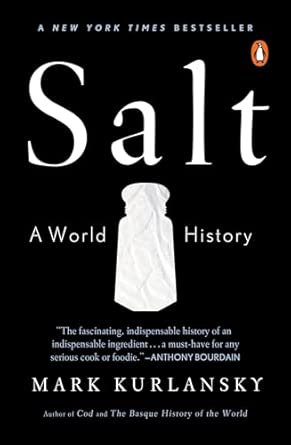 | Best Overall | Subject: World history of salt as commodity and cultural force | Category: Popular narrative history | Format: Paperback | VIEW LATEST PRICE | See Our Full Breakdown |
| American Nations: A History of the Eleven Rival Regional Cultures of North America |  | Best for Understanding Regional Divides | Format: Paperback | Publisher: Penguin Books | Focus: North American regional cultures | VIEW LATEST PRICE | See Our Full Breakdown |
| History’s Hidden Choices: The Forgotten Decisions That Made the Modern World |  | Best Conversation-Starter Pick | Format: Digital/Print | Focus: Overlooked historical decisions | Structure: Episodic chapters | VIEW LATEST PRICE | See Our Full Breakdown |
| China: A History |  | Best Single-Volume Survey | Format: Paperback | Publisher: Basic Books | Focus: Complete Chinese history | VIEW LATEST PRICE | See Our Full Breakdown |
| Natasha’s Dance: A Cultural History of Russia |  | Best Literary Cultural History | Format: Paperback | Publisher: Picador | Focus: Russian cultural history | VIEW LATEST PRICE | See Our Full Breakdown |
| Chinese History and Folktales: An Enthralling Journey Through Ancient Dynasties, Cultural Legends, and Timeless Stories from China |  | Best Beginner-Friendly Entry Point | Format: Digital/Print | Focus: Chinese dynasties and folktales | Structure: Story-driven chapters | VIEW LATEST PRICE | See Our Full Breakdown |
| The Silk Roads: A New History of the World |  | Best Overall | Format: Paperback / Hardcover / eBook | Genre: World cultural history | Focus: Silk Road trade routes and civilizational exchange | VIEW LATEST PRICE | See Our Full Breakdown |
| Black AF History: The Un-Whitewashed Story of America |  | Best for Provocative Storytelling | Format: Hardcover / Paperback / eBook / Audiobook | Genre: American cultural history | Focus: American history through Black American perspectives | VIEW LATEST PRICE | See Our Full Breakdown |
| A Different Mirror: A History of Multicultural America |  | Best for Students and Coursework | Format: Paperback / Hardcover / eBook | Genre: Multicultural American history | Focus: Immigrant and minority experiences in the US | VIEW LATEST PRICE | See Our Full Breakdown |
| The Danube: A Cultural History (Landscapes of the Imagination) |  | Best Regional Deep Dive | Format: Paperback / Hardcover / eBook | Genre: Regional cultural history | Focus: The Danube River and Central European culture | VIEW LATEST PRICE | See Our Full Breakdown |
| cultural history book | Format | Focus | Audience level |
|---|---|---|---|
| A Cultural History of Civil Ex | Print (hardcover/paperback editions) | Cultural and political history of examinations | Scholarly |
| The Face: A Cultural History | Facial representation across societies and eras | Intermediate to advanced general readers | |
| Blank Space: A Cultural Histor | Modern cultural phenomena and societal change | General readers | |
| What is Cultural History? | Key concepts, thinkers, and methodologies | Beginner / student | |
| Salt: A World History | Paperback | Trade, economics, food, and society across civilizations | General readers |
| American Nations: A History of | Paperback | North American regional cultures | General readers |
| History’s Hidden Choices: The | Digital/Print | Overlooked historical decisions | General readers |
| China: A History | Paperback | Complete Chinese history | Intermediate to serious readers |
| Natasha’s Dance: A Cultural Hi | Paperback | Russian cultural history | General to devoted readers |
| Chinese History and Folktales: | Digital/Print | Chinese dynasties and folktales | Beginners and casual readers |
| The Silk Roads: A New History | Paperback / Hardcover / eBook | Silk Road trade routes and civilizational exchange | — |
| Black AF History: The Un-White | Hardcover / Paperback / eBook / Audiobook | American history through Black American perspectives | — |
| A Different Mirror: A History | Paperback / Hardcover / eBook | Immigrant and minority experiences in the US | — |
| The Danube: A Cultural History | Paperback / Hardcover / eBook | The Danube River and Central European culture | — |
More Details on Our Top Picks
A Cultural History of Civil Examinations in Late Imperial China
Among cultural history books, this is the most specialized and academically rigorous pick on the list. Where Salt: A World History sweeps across civilizations for a general audience, this volume drills into a single institution — the civil examination system — and shows how it shaped society, politics, and mobility in late imperial China. That narrow focus is its greatest strength: readers get depth that broader surveys like China: A History simply cannot provide. The tradeoff is accessibility. This is a scholarly monograph, dense with analysis and prior historiography, so it assumes the reader already cares about the subject deeply. Compared with What is Cultural History?, which introduces methodology for newcomers, this book demonstrates methodology in practice at the highest level.
Pros:- Deep, focused analysis of a single transformative institution
- Rigorous scholarship with strong historiographical grounding
- Illuminates how exams shaped class mobility and political culture
- A reference-quality resource for East Asian studies
Cons:- Narrow subject matter limits appeal beyond specialists
- Academic prose assumes substantial background knowledge
- Long and dense compared with narrative-driven histories
Best for: Graduate students, academics, and serious readers of Chinese history who want a definitive institutional study
Not ideal for: Casual readers or beginners — the density and narrow scope make it a poor entry point compared with popular histories like The Silk Roads
- Subject:Civil examination system, late imperial China
- Category:Academic monograph / East Asian studies
- Format:Print (hardcover/paperback editions)
- Audience level:Scholarly
- Focus:Cultural and political history of examinations
- ASIN:0520215095
Our verdict“Buy this only if you want authoritative depth on imperial China’s exam system rather than a sweeping cultural survey.”
The Face: A Cultural History
This pick takes a single cultural artifact — the human face — and traces it across societies and eras, making it the most conceptually inventive choice here. Compared with Blank Space, which tackles an entire century, this book proves that cultural history often works best when the lens is small and the questions are large. It rewards readers interested in art, anthropology, and representation, sitting somewhere between a scholarly study and an essayistic read. The drawback is uneven pacing: covering so many periods and cultures means some chapters feel more like surveys than arguments, and readers expecting the narrative momentum of Salt: A World History may find it slower going. Still, for anyone who wants cultural history as a way of thinking rather than a timeline, it stands apart from the roundup’s broader surveys.
Pros:- Original, thought-provoking thematic lens
- Spans multiple eras and cultural traditions
- Strong research grounding with rich visual and historical examples
- Bridges academic and intelligent general readership
Cons:- Wide scope means some periods get shallow treatment
- Tone can skew academic for casual readers
- Less narrative drive than popular histories in this roundup
Best for: Readers of art history and anthropology who enjoy idea-driven cultural analysis over chronology
Not ideal for: Readers wanting a page-turning narrative or a single-culture story like Natasha’s Dance
- Subject:Cultural history of the human face
- Category:Cultural history / art and anthropology
- Format:Print
- Audience level:Intermediate to advanced general readers
- Focus:Facial representation across societies and eras
- ASIN:1538766531
Our verdict“A rewarding choice for reflective readers who prefer big ideas about culture to event-driven storytelling.”
Blank Space: A Cultural History of the Twenty-First Century
Most cultural histories in this roundup look backward across centuries; this one is the only pick covering the present. That immediacy is its whole value proposition — it analyzes the cultural forces shaping the twenty-first century while they are still unfolding, something Natasha’s Dance or A Cultural History of Civil Examinations in Late Imperial China cannot offer. For readers trying to make sense of current social and cultural shifts, it works as a diagnostic tool for the present moment. The tradeoff is inherent to the genre: writing contemporary history means less distance, fewer settled judgments, and a real risk that some arguments will age quickly. It also lacks the accumulated reader feedback and reputation of older staples like Salt: A World History. This pick makes the most sense for readers whose curiosity leans toward now rather than then.
Pros:- Timely subject matter no other pick in this roundup covers
- Connects cultural history to present-day life
- Analyzes trends readers experience firsthand
- Fresh perspective without dusty-period framing
Cons:- Contemporary analysis may age quickly
- Little reader feedback or established reputation yet
- Lacks the historical depth of centuries-spanning picks
Best for: Readers who want cultural history applied to current events and modern social trends
Not ideal for: Readers seeking established, time-tested historical narratives with long scholarly consensus
- Subject:Culture and society of the twenty-first century
- Category:Contemporary cultural history
- Format:Print
- Audience level:General readers
- Focus:Modern cultural phenomena and societal change
- ASIN:0593833996
Our verdict“Choose this if you want cultural history that explains your own era rather than a distant one.”
What is Cultural History? (What is History?)
If the rest of this roundup is the meal, this book is the map of the kitchen. It explains what cultural history actually is — its key thinkers, methods, and debates — which makes it the natural first purchase before tackling heavier titles like A Cultural History of Civil Examinations in Late Imperial China. Compared with every other pick here, it is the most accessible entry point: short, clearly organized, and written for students rather than specialists. The tradeoff is depth. Advanced readers will find the case studies brief and the coverage of debates compressed, and it deliberately avoids the immersive storytelling that makes Salt: A World History so popular. Still, no other book in this lineup gives you the framework to read all the others more intelligently, which is exactly why it earns this slot.
Pros:- Clear, accessible introduction to a complex field
- Short and digestible compared with the other picks
- Explains key thinkers, concepts, and methodologies
- Includes helpful examples and case studies
Cons:- Too introductory for readers with background in the field
- Case studies are brief rather than deep
- Dry by design — no sustained narrative
Best for: Students and newcomers who want to understand the field of cultural history before diving into specific titles
Not ideal for: Advanced readers or those seeking an immersive historical narrative — it is a methods overview, not a story
- Subject:Introduction to cultural history as a discipline
- Category:Historiography / methods primer
- Format:Print
- Audience level:Beginner / student
- Focus:Key concepts, thinkers, and methodologies
- Series:What is History? series
- ASIN:1509522212
Our verdict“Start here if you are new to cultural history; skip it if you already know the field’s major debates.”
Salt: A World History
This is the pick I would hand to the widest range of readers, and it earns the top slot for one reason: it proves cultural history can be genuinely entertaining. By following a single commodity across civilizations, it delivers economics, politics, food, and trade in one propulsive narrative — a formula broader works like The Silk Roads attempt at a much grander scale. Compared with The Face: A Cultural History, which treats a similar single-subject lens more analytically, this book prioritizes storytelling and momentum, making it the easiest hard history to actually finish on this list. The tradeoffs are real: it runs long, some chapters digress into recipes and trivia, and readers wanting rigorous economic data or tight argumentation — the kind found in the Civil Examinations volume — will find it breezy. For pure readable range, though, nothing else here matches it.
Pros:- Genuinely engaging narrative rarely found in cultural history
- Connects economics, food, politics, and trade across civilizations
- Well-researched with memorable detail
- Accessible to readers with no history background
Cons:- Very long with occasional digressions into trivia
- Anecdote-driven rather than analytically rigorous
- Light on scientific and economic data
Best for: General readers who want an engaging, wide-ranging entry into cultural history through an unexpected subject
Not ideal for: Readers wanting tight academic argument or data-heavy analysis — the anecdotal style will frustrate them
- Subject:World history of salt as commodity and cultural force
- Category:Popular narrative history
- Format:Paperback
- Publisher:Penguin Books
- Audience level:General readers
- Focus:Trade, economics, food, and society across civilizations
- ASIN:0142001619
Our verdict“The safest and most enjoyable starting point in the roundup — buy it if you want cultural history that reads like a story.”
American Nations: A History of the Eleven Rival Regional Cultures of North America
American Nations stands out for its provocative thesis: North America is not one culture but eleven rival ones, each with its own founding logic that still drives politics today. Where A Different Mirror frames American history through multicultural experience, this book explains why regions disagree in the first place — a framework that reframes everything from voting maps to cultural conflicts. The payoff is a durable mental model, not just a narrative. The tradeoff is that Woodard’s regional typology is interpretive rather than exhaustive; academic historians debate its borders, and readers wanting footnoted rigor may find it too sweeping. Compared with Black AF History, which challenges the national story from within, this book redraws the map entirely — a better fit for readers who want structural explanations over narrative correction.
Pros:- Original framework that explains regional political and cultural divisions
- Well-researched historical grounding for each of the eleven nations
- Highly relevant to understanding contemporary American politics
- Accessible to non-academic readers without diluting the argument
Cons:- The eleven-nation typology is contested and sometimes oversimplified
- Regional focus means national events outside the framework get less attention
Best for: Readers trying to make sense of persistent American political and cultural regionalism
Not ideal for: Readers wanting a conventional chronological history of the United States — this is a thematic argument, not a survey
- Format:Paperback
- Publisher:Penguin Books
- Focus:North American regional cultures
- Framework:Eleven distinct cultural nations
- Approach:Thematic and interpretive
- Audience level:General readers
Our verdict“Buy this if you want a structural explanation for why America feels like eleven countries rather than one.”
Of the sweeping histories in this roundup, this one takes the narrowest lens — and that’s its strength. Rather than tracing a commodity like Salt: A World History or a trade network like The Silk Roads, it zooms in on individual decisions and their cascading consequences. That structure makes each chapter a self-contained story, ideal for readers who bounce off 600-page surveys. The tradeoff is breadth of depth: because it ranges across eras and continents, no single episode gets the archival weight of Salt or The Silk Roads. Compared with those titles, it reads more like narrative nonfiction than reference history — better for sparking curiosity than for building a base of knowledge. Casual readers will enjoy it; students wanting citations and sustained argument may find it thin.
Pros:- Unique decision-centered lens on world history
- Self-contained chapters suit intermittent reading
- Genuinely thought-provoking counterfactual framing
- Lighter commitment than the roundup’s thousand-page surveys
Cons:- Episodes are covered briefly rather than in depth
- Prose can feel dense despite the short-chapter format
Best for: Casual readers and book clubs who want bite-sized historical stories that provoke discussion
Not ideal for: Students or scholars who need dense sourcing and sustained analytical argument
- Format:Digital/Print
- Focus:Overlooked historical decisions
- Structure:Episodic chapters
- Approach:Narrative nonfiction
- Time span:Ancient to modern world
- Audience level:General readers
Our verdict“A good fit for curious readers who want big-picture history in digestible, story-driven pieces.”
China: A History
For readers who want one authoritative volume covering China from the Neolithic to the present, this is the anchor pick of the batch. It competes directly with Chinese History and Folktales, but the comparison clarifies their roles: this book is the serious reference, while the folktales title is the entry point. The depth here rewards sustained reading — dynastic transitions, philosophical schools, and modern upheavals all get connected analysis rather than summary treatment. The cost is weight: chapters are dense and information-packed, and there are no illustrations or multimedia to break up the march of names and dates. Readers who found Natasha’s Dance engaging for its artistic lens should expect a drier, more institutional account here. This is the book to buy when you want to actually learn China’s history, not just sample it.
Pros:- Genuinely comprehensive coverage from ancient to modern China
- Well-researched with scholarly authority
- Connects cultural, political, and social threads coherently
- Serves as a lasting reference after the first read
Cons:- Dense, textbook-like pacing in long stretches
- No illustrations, maps, or supplementary materials
Best for: Readers who want a rigorous, complete foundation in Chinese history in one volume
Not ideal for: Casual readers or travelers wanting a light cultural overview — the density demands commitment
- Format:Paperback
- Publisher:Basic Books
- Focus:Complete Chinese history
- Time span:Ancient origins to modern era
- Approach:Scholarly survey
- Audience level:Intermediate to serious readers
Our verdict“The definitive one-volume choice for readers committed to actually mastering Chinese history.”
Natasha’s Dance: A Cultural History of Russia
This is the most beautifully written book in the batch, and it earns its place by proving that cultural history can be literature. Figes builds Russia’s story through its artists, composers, and writers — a fundamentally different method from China: A History, which proceeds through institutions and dynasties. Readers who found that survey rigorous but dry will find this the opposite: atmospheric, character-driven, and moving. The lens on the nineteenth and twentieth centuries means earlier Russian history gets little attention, so it works as cultural history rather than complete history. Compared with The Danube, which reads a region through a landscape, this reads a nation through its art — same genre, different engine. The absence of illustrations in a book so centered on painting and ballet is a real frustration.
Pros:- Exceptional literary writing that reads like narrative nonfiction
- Deep integration of art, literature, and music into historical context
- Brings cultural figures to life as characters
- Strong on the nineteenth and twentieth centuries
Cons:- Coverage skews heavily modern; pre-1800 Russia is minimal
- No visuals despite frequent discussion of painting and ballet
Best for: Readers drawn to Russia through its literature, music, and art rather than its politics
Not ideal for: Readers seeking a complete Russian history from Kievan Rus onward — the early centuries are largely skipped
- Format:Paperback
- Publisher:Picador
- Focus:Russian cultural history
- Time span:Primarily 19th century to modern era
- Approach:Literary and artistic
- Audience level:General to devoted readers
Our verdict“The pick for readers who want to feel Russian culture rather than memorize its timeline.”
Chinese History and Folktales: An Enthralling Journey Through Ancient Dynasties, Cultural Legends, and Timeless Stories from China
This is the easiest on-ramp to Chinese history in the roundup, and it plays a distinct role: where China: A History is the scholarly destination, this is the doorway. By weaving dynastic history together with legends and folktales, it trades analytical rigor for narrative pleasure — a smart exchange for readers new to the subject who would stall in a 600-page survey. Stories make dynasties memorable in a way that chronological chapters often can’t. The tradeoff is real, though: no sourcing depth and little critical analysis, so it teaches you the stories of China more than the historiography of China. Readers who finish it hungry for more should graduate to China: A History. Compared with History’s Hidden Choices, it offers similar accessibility but with a tighter geographic focus and richer cultural texture.
Pros:- Highly accessible storytelling that makes dynasties memorable
- Blends folklore and history into one entertaining narrative
- Low barrier to entry for complete beginners
- Naturally leads into deeper reading on the subject
Cons:- Folktales are presented without historical-critical context
- Lacks the sourcing and analysis serious history readers expect
Best for: Beginners, younger readers, and families wanting an entertaining first encounter with Chinese history
Not ideal for: Readers who already know the dynastic basics and want analytical depth or scholarly sourcing
- Format:Digital/Print
- Focus:Chinese dynasties and folktales
- Structure:Story-driven chapters
- Approach:Narrative and folkloric
- Time span:Ancient dynasties onward
- Audience level:Beginners and casual readers
Our verdict“A gateway book — buy it to get hooked on Chinese history, then move on to a serious survey.”
The Silk Roads: A New History of the World
Of everything in this lineup, The Silk Roads comes closest to delivering on the promise of cultural history at full scale. Where Salt: A World History tracks a single commodity, this book uses the trade routes of Central Asia as a lens to reframe centuries of civilization-building, showing how goods, religions, and ideas moved across empires. Readers who want the broadest possible scope will find it more ambitious than A Different Mirror, which confines itself to America.
The tradeoff is density: this is a long, densely argued book that demands patience. Casual readers may prefer the lighter narrative sweep of American Nations before committing here.
Pros:- Reframes world history through the lens of East-West exchange
- Deeply researched with strong narrative momentum
- Covers an unusually wide sweep of centuries and civilizations
- Engaging enough for dedicated enthusiasts despite the density
Cons:- Very long and dense for casual readers
- No supplementary materials, maps, or visual aids to anchor the narrative
Best for: Serious history readers who want a sweeping, globally focused reinterpretation of world history through cultural exchange
Not ideal for: Casual readers or anyone wanting a quick, illustrated overview — the length and density will be exhausting
- Format:Paperback / Hardcover / eBook
- Genre:World cultural history
- Focus:Silk Road trade routes and civilizational exchange
- Scope:Centuries of global history, East to West
- Reading level:Advanced general reader
- Audience:History enthusiasts, students of global history
Our verdict“The strongest all-around pick for readers who want cultural history on the grandest possible scale and don’t mind working for it.”
Black AF History: The Un-Whitewashed Story of America
This is the boldest voice in the roundup. Compared with A Different Mirror, which covers many groups in a measured academic tone, Black AF History makes a deliberate choice to be funny, blunt, and unapologetically opinionated while still being well-researched. That tonal risk pays off for readers who found survey-style books dry — it reads like a conversation rather than a textbook.
The narrow focus is the flip side: this is a history of America through Black American experience specifically, not a multicultural survey. Readers wanting broader coverage should pick A Different Mirror instead, and those sensitive to irreverent framing of contested history may find the tone polarizing.
Pros:- Distinctive, entertaining narrative voice
- Well-researched despite the informal tone
- Bestselling with broad critical recognition
- Centers stories typically left out of standard histories
Cons:- Tone may be controversial or off-putting for some readers
- Focused almost entirely on Black American experience rather than a wider multicultural lens
Best for: Readers who want American history told with sharp humor and an unfiltered perspective, and who prefer voice-driven nonfiction
Not ideal for: Readers seeking a neutral, multi-group survey of American cultural history, or those put off by provocative humor
- Format:Hardcover / Paperback / eBook / Audiobook
- Genre:American cultural history
- Focus:American history through Black American perspectives
- Tone:Humorous, direct, opinionated
- Reading level:Accessible general reader
- Audience:General readers, book clubs, socially engaged readers
Our verdict“A must-read for buyers who value voice and perspective over neutrality — but the wrong choice for a balanced classroom-style survey.”
A Different Mirror: A History of Multicultural America
If Black AF History is the loud cousin at the family gathering, A Different Mirror is the careful archivist. This is the most balanced survey in the lineup, tracing America through the overlapping histories of Indigenous, Black, Asian, Latino, and immigrant communities. Compared with American Nations, which explains cultural divisions by region, this book explains them by people and migration — a structure that suits coursework and structured reading better than any other pick here.
The tradeoff is that breadth costs it personality. It is informative rather than thrilling, and readers who loved the irreverence of Black AF History may find this one earnest and slow in stretches.
Pros:- Covers multiple communities in one coherent narrative
- Rigorous and well-documented research foundation
- Excellent fit for classes and reading groups
- Provides historical context for modern cultural debates
Cons:- Academic tone can feel slow for leisure readers
- No special features, illustrations, or annotated editions
Best for: Students, educators, and readers who want a balanced, textbook-friendly survey of America’s many cultural threads
Not ideal for: Readers seeking a lively, personality-driven narrative — the survey style is thorough but dry
- Format:Paperback / Hardcover / eBook
- Genre:Multicultural American history
- Focus:Immigrant and minority experiences in the US
- Tone:Academic, measured
- Reading level:Undergraduate and up
- Audience:Students, educators, social history readers
Our verdict“The safest pick for study and reference — thorough and fair, but not the book for anyone chasing entertainment.”
The Danube: A Cultural History (Landscapes of the Imagination)
After three books about vast sweeps of history, The Danube takes the opposite approach: one river, examined exhaustively. It belongs to the same place-based cultural history tradition as Natasha’s Dance (which does for Russia what this does for the Danube basin), weaving together literature, art, and politics along the waterway. Compared with The Silk Roads, it trades global ambition for texture and specificity — readers finish it feeling they genuinely know a region.
That narrowness is also its limit. It assumes some familiarity with European history, and the lack of maps or illustrations in a book about geography is a real shortcoming. Buyers wanting visual anchoring should weigh that carefully.
Pros:- Rich interweaving of literature, art, and political history
- Deep regional expertise rarely found in general histories
- Part of a respected cultural-history series
- Rewarding for travelers and Danube-region enthusiasts
Cons:- Dense, scholarly prose with a steep learning curve
- Notably lacking maps and illustrations for a geography-centered book
Best for: European history buffs and literature lovers who want an immersive, place-focused cultural study
Not ideal for: Readers new to European history or those who rely on maps and visuals — the text-heavy approach will be disorienting
- Format:Paperback / Hardcover / eBook
- Genre:Regional cultural history
- Focus:The Danube River and Central European culture
- Series:Landscapes of the Imagination
- Tone:Scholarly, literary
- Audience:European history readers, literature enthusiasts, travelers
Our verdict“A rewarding specialist pick for readers who prefer depth over breadth — provided they bring some European history background.”

How We Picked
I judged each title against four criteria. Cultural focus came first: a book had to explain beliefs, practices, and everyday life, not just wars and treaties — this is why China: A History ranks lower than its reputation alone would suggest. Readability mattered next, because dense scholarship that never reaches a general reader fails as a purchase for most buyers. Third, I weighed scope and ambition: books that connect cultures across borders earned higher placement than ones that stay national, since exchange is the heart of cultural history. Finally, I considered audience fit, deliberately keeping picks for beginners, students, and specialists rather than stacking the list with academic monographs.
The ranking logic is straightforward: the top third of this list delivers both sweep and page-turning prose, the middle third offers strong depth at the cost of pace or narrowness, and the bottom third serves narrower audiences — folktales for casual readers, counterfactuals for decision-history fans — where fit matters more than ranking. No title here is bad; the order reflects how well each serves a reader who wants cultural history first, with political and economic history as supporting material.
| cultural history book | Format |
|---|---|
| A Cultural History of Civil Ex | Print (hardcover/paperback editions) |
| The Face: A Cultural History | |
| Blank Space: A Cultural Histor | |
| What is Cultural History? | |
| Salt: A World History | Paperback |
| American Nations: A History of | Paperback |
| History’s Hidden Choices: The | Digital/Print |
| China: A History | Paperback |
| Natasha’s Dance: A Cultural Hi | Paperback |
| Chinese History and Folktales: | Digital/Print |
| The Silk Roads: A New History | Paperback / Hardcover / eBook |
| Black AF History: The Un-White | Hardcover / Paperback / eBook / Audiobook |
| A Different Mirror: A History | Paperback / Hardcover / eBook |
| The Danube: A Cultural History | Paperback / Hardcover / eBook |
Factors to Consider When Choosing Cultural History Books
Choosing a cultural history book is less about finding the “best” title and more about matching a book’s method to what you actually want from it. These are the factors I’d weigh before clicking buy.Breadth vs. Depth: Pick Your Zoom Level
The single biggest decision is scale. A book like The Silk Roads covers five centuries and dozens of societies, which means each culture gets pages, not chapters — exciting, but you’ll finish hungry for detail. A monograph on civil examinations in late imperial China does the opposite: it interrogates one institution until you understand it completely, but it won’t tell you anything about the Ming economy or Qing foreign policy. A common mistake is buying a sweeping world history expecting novelistic depth, or buying a monograph expecting a beach read. My rule of thumb: if you’re new to a region, buy breadth first and depth second, because a focused study lands better once you have the scaffolding of a survey.
Academic vs. Popular Register
Publishers use the phrase “cultural history” for everything from university press monographs to mass-market paperbacks, and the reading experience differs enormously. Academic titles come with footnotes, historiographical debates, and a presumption that you know the basic timeline — rewarding, but slow. Popular titles like Black AF History trade some evidentiary rigor for voice and momentum. Neither is superior; the mistake is mismatching the book to your energy level. Check the first ten pages in a preview before buying: if the introduction is arguing with other historians rather than telling you why the subject matters, you’re holding a scholarly book.
Single-Subject Histories Are a Different Genre
Books like Salt and The Face follow one object or theme across all of history, and they behave differently from regional histories. They’re structured as long chains of anecdotes rather than narratives, which makes them easy to pick up and put down — ideal for readers with fragmented time. The tradeoff is that you get cultural breadth without continuity: no single society is followed for long. If you want a story with an arc, choose a national or regional history instead. If you want conversation fodder and surprising connections, the commodity-and-object history is the better genre.
Currency and Age of the Scholarship
Cultural history as a field has moved fast in the last three decades, and older classics can reflect outdated framing even when the writing still shines. Newer titles like Blank Space or American Nations incorporate current debates but haven’t stood the test of time — you’re partly paying for immediacy that will fade. Established works like A Different Mirror have proven durable but may lack recent archival discoveries. For a general reader this matters less than for a student citing the work, but if you’re building a reference shelf, check the publication date against what’s been published on the topic since.
Who’s Telling the Story
Cultural history is inherently interpretive, and perspective shapes what gets included. A Different Mirror and Black AF History exist partly because older national narratives centered a narrow viewpoint — buying a cultural history means, consciously or not, choosing an interpretive frame. This isn’t about politics; it’s about coverage. A book framing America through eleven regional cultures will omit things a multicultural history includes, and vice versa. The strongest shelves hold at least two books on the same subject from different frames, because the friction between them is where real understanding happens.
Format and Length Reality Check
Be honest about format. Several titles here run past 500 pages, and a hardcover of that size is a two-month commitment at typical reading paces — a paperback or ebook often gets finished where a heavy hardcover gets abandoned. Audiobooks work well for narrative histories like Salt but poorly for books with maps, dynastic timelines, or footnotes, where China: A History readers especially benefit from print. Length also correlates with price less than you’d expect: the scholarly monograph may cost more than the 600-page bestseller because of smaller print runs. Decide your format before you shop, not after.
Frequently Asked Questions
What’s the best cultural history book if I’ve never read history since school?
Start with Salt: A World History or Black AF History. Both are written for readers with zero background, use anecdote-driven structure that doesn’t require you to hold a timeline in your head, and can be read in short sessions. Avoid beginning with China: A History or the civil examinations monograph — those presume you already know the broad outlines and will feel like hard work rather than discovery. Once one accessible title hooks you on the discipline’s way of thinking, the denser books become far more enjoyable because you’ll have context to hang them on.
Is The Silk Roads or Salt the better world history starting point?
They solve different problems. The Silk Roads makes the case that the center of world history sits between Europe and China, so it suits a reader who wants one sweeping argument about how civilizations connected. Salt has no argument to prove — it’s a pleasure-driven tour of how one substance shaped economies, revolutions, and cuisines, which makes it lighter and more re-readable. If you want a single book to reorganize how you think about geography and power, pick The Silk Roads. If you want entertainment with real substance, pick Salt. Many readers end up buying both, and the order rarely matters.
Which of these books should a student buy for a course or thesis?
What is Cultural History? is the clear academic purchase, because it explains the field’s methods and major thinkers — the framework you’ll need before citing any of the narrative titles. Pair it with whichever monograph matches your region: Natasha’s Dance for Russia, A Cultural History of Civil Examinations in Late Imperial China for East Asian studies, or A Different Mirror for American studies, since all three are standard references in their fields. Skip the popular survey titles for citation purposes; they’re excellent for building context but rarely hold up as scholarly sources.
Are American Nations and A Different Mirror redundant with each other?
No, and the overlap is smaller than their shared subject suggests. American Nations argues that North America contains eleven distinct founding cultures whose rivalries explain regional politics from colonization to today — it’s a structural thesis about geography and settlement. A Different Mirror tells American history through the experiences of Indigenous, Black, Asian, and immigrant communities, so it’s a corrective lens on whose stories get told. Reading both is genuinely complementary: one explains why regions differ, the other why the national narrative was incomplete. If you only buy one, choose A Different Mirror for a broader scholarly foundation, or American Nations if you prefer a bold single thesis.
Which book holds up best as a long-term shelf purchase rather than a one-time read?
Natasha’s Dance and The Danube are the strongest keepers, because cultural portraits of a nation and a river don’t date the way books about current events do. Blank Space is the weakest long-term hold — it’s a cultural history of the twenty-first century written mid-century, so its analysis of social media and politics will inevitably feel dated within a decade, though that same immediacy makes it the most fun to read right now. The Silk Roads sits in between: its thesis has proven durable, but revised editions keep appearing. If shelf value matters, prioritize books about centuries past over books about the decade you’re living through.
Conclusion
The right pick depends entirely on what kind of reader is buying. For best overall, The Silk Roads delivers the most ambitious and readable cultural history in this lineup — the rare doorstop that changes how you see the map. For best value, Salt: A World History offers more enjoyment per dollar than anything here, in paperback, at a fraction of the monographs’ prices. For beginners, Black AF History or Chinese History and Folktales provide accessible on-ramps with strong narrative pull and zero assumed background.
For premium buyers — students, writers, and serious collectors — Natasha’s Dance and the Civil Examinations monograph offer the deepest scholarship, while What is Cultural History? is the smart specialist buy for anyone who wants to understand the discipline itself. For specific needs: The Danube for travelers, American Nations for understanding U.S. regional divides, A Different Mirror for a multicultural American frame, and Blank Space for readers who want their cultural history about right now. Whatever you choose, buy one book and finish it before buying three — cultural history rewards attention, and half-read books teach nothing.
Fall Picks
fall essentials
As an affiliate, we earn on qualifying purchases.