
Finding the right art history reference book depends heavily on whether you want visual browsing, exam preparation, or scholarly depth. After comparing nine popular titles, my top overall pick is Janson’s History of Art: A Survey of the Major Visual Arts, which pairs authoritative scholarship with the most complete chronological coverage in this lineup. For visual learners, Art: The Definitive Visual Guide stands out with thousands of high-quality reproductions, while The Short Story of Art is the best budget-friendly starting point for beginners. The main tradeoff you will face is between portability and depth: single-volume surveys are convenient but sacrifice the color plates and close analysis that larger tomes provide. Keep reading for the full breakdown, including which book suits students, which suits casual readers, and which ones you can safely skip.

Get art and craft supplies delivered free — and shop member deals
- Fast, free delivery on millions of items
- Access to Prime Big Deal Days deals on October 6–7
- Prime Video, Amazon Music and more included
Key Takeaways
- Janson’s History of Art earned the top spot because it is the only pick in this lineup that balances scholarly authority, full-color plates, and complete chronological coverage without becoming unreadable for non-specialists.
- Three of the nine books (The Short Story of Art, How to Read Paintings, and Great Art Explained) are companion-style guides rather than true reference works — they excel at building visual literacy but cannot serve as a primary encyclopedia.
- Art: The Definitive Visual Guide offers the largest image count by a wide margin, but its text is intentionally thin, making it a supplement rather than a replacement for a survey text like Janson’s or Hartt’s.
- The AP Art History Study Guide is the only exam-oriented pick here; it is nearly useless as a shelf reference, which is why it ranks lowest for general readers despite being excellent for its specific purpose.
- Older editions of major surveys (Janson’s, Hartt’s Art: A History of Painting, Sculpture, and Architecture) drop sharply in price but often lack recent scholarship on non-Western art and women artists — a real tradeoff for budget buyers.
| AP Art History Study Guide with Practice Tests and Strategies |  | Best for Exam Prep | Format: Paperback study guide | Practice Tests: 7 full-length | Content: Topic reviews, answer explanations, exam strategies | VIEW LATEST PRICE | See Our Full Breakdown |
| Great Art Explained: The Stories Behind the World’s Greatest Masterpieces |  | Best for Story-Driven Learning | Format: Illustrated hardcover | Publisher: Thames & Hudson | Approach: Narrative essays on individual masterpieces | VIEW LATEST PRICE | See Our Full Breakdown |
| Art: The Definitive Visual Guide |  | Best Overall Reference | Format: Large-format illustrated hardcover | Publisher: DK | Coverage: Global art across all major eras and cultures | VIEW LATEST PRICE | See Our Full Breakdown |
| How to Read Paintings: Learn about Masterpieces from Art History |  | Best for Building Visual Literacy | Format: Illustrated book | Approach: Guided visual analysis of masterpieces | Skills Taught: Composition, symbolism, and technique reading | VIEW LATEST PRICE | See Our Full Breakdown |
| The Illustrated History of Art: From the Renaissance to the Present Day |  | Best Chronological Survey | Format: Illustrated hardcover survey | Coverage: Renaissance through contemporary (as of publication) | Structure: Chronological narrative with analysis | VIEW LATEST PRICE | See Our Full Breakdown |
| The Short Story of Art: A Pocket Guide to Key Movements, Works, Themes, & Techniques |  | Best Quick-Reference Companion | Format: Pocket guide / paperback | Coverage: Key movements, works, themes, and techniques | Depth: Concise introductory overviews | VIEW LATEST PRICE | See Our Full Breakdown |
| History of Art |  | Best Classic Survey Value | Type: Chronological art history survey | Coverage: Major periods and styles across art history | Audience: Students and enthusiasts | VIEW LATEST PRICE | See Our Full Breakdown |
| History of Art: A Survey of the Major Visual Arts from the Dawn of History to the Present Day, Newly Revised and Enlarged Edition | 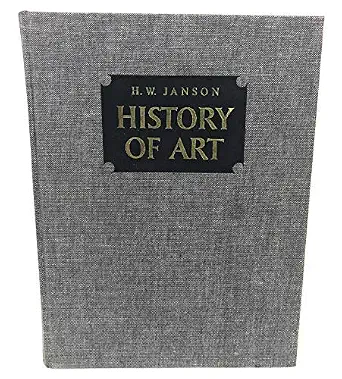 | Best Deep-Dive Reference Shelf Pick | Edition: Newly revised and enlarged edition | Coverage: Major visual arts from prehistory to present day | Depth: Detailed analysis of movements and masterpieces | VIEW LATEST PRICE | See Our Full Breakdown |
| Art: A History of Painting, Sculpture, and Architecture |  | Best for Medium-Span Coverage | Coverage: Painting, sculpture, and architecture across periods | Depth: Balanced but moderate per medium | Format: Medium-weight survey volume | VIEW LATEST PRICE | See Our Full Breakdown |
| art history reference book | Audience | Format | Coverage |
|---|---|---|---|
| AP Art History Study Guide wit | AP Art History students | Paperback study guide | — |
| Great Art Explained: The Stori | Enthusiasts and students | Illustrated hardcover | Selected major works, not a full survey |
| Art: The Definitive Visual Gui | Students and enthusiasts | Large-format illustrated hardcover | Global art across all major eras and cultures |
| How to Read Paintings: Learn a | Enthusiasts and students building analysis skills | Illustrated book | Selected canonical paintings |
| The Illustrated History of Art | Students and enthusiasts of Western art | Illustrated hardcover survey | Renaissance through contemporary (as of publication) |
| The Short Story of Art: A Pock | Beginners and students | Pocket guide / paperback | Key movements, works, themes, and techniques |
| History of Art | Students and enthusiasts | — | Major periods and styles across art history |
| History of Art: A Survey of th | Students, scholars, and dedicated enthusiasts | Large single-volume reference | Major visual arts from prehistory to present day |
| Art: A History of Painting | Students and enthusiasts of multiple media | Medium-weight survey volume | Painting, sculpture, and architecture across periods |
More Details on Our Top Picks
AP Art History Study Guide with Practice Tests and Strategies
Most art history reference books are built for browsing, but this one has a single job: getting students through the AP Art History exam. Seven full-length practice tests set it apart from everything else in this roundup — no other title here, not even Art: The Definitive Visual Guide, offers structured assessment. This pick makes the most sense for students who need repetition and test strategy, not just beautiful plates. The detailed explanations help readers understand why an answer is wrong, which matters more than raw content coverage when the exam rewards analytical framing. The tradeoff is real, though: as a general reference it falls flat. It won’t sit comfortably on a shelf next to The Illustrated History of Art as something you return to for pleasure. Compared with How to Read Paintings, it is narrower but far more outcome-driven. Treat it as a tool, not a library staple.
Pros:- Seven full-length practice tests give realistic exam simulation
- Detailed answer explanations teach analytical reasoning, not memorization
- Expert strategies target the exam’s specific question formats
- Topic reviews consolidate the required curriculum efficiently
Cons:- Narrowly exam-oriented — near useless as a general art history reference
- Text-first design means minimal reproductions compared with visual guides like Art: The Definitive Visual Guide
Best for: High school students preparing for the AP Art History exam who need realistic practice and test-taking strategy
Not ideal for: Casual readers and lifelong learners — its exam-focused structure makes it tedious as general art reading
- Format:Paperback study guide
- Practice Tests:7 full-length
- Content:Topic reviews, answer explanations, exam strategies
- Audience:AP Art History students
- Focus:Exam preparation
- Use Case:Structured test prep over casual reading
Our verdict“Buy this only if the AP exam is on your calendar; everyone else should choose a richer visual survey.”
Great Art Explained: The Stories Behind the World’s Greatest Masterpieces
Where Art: The Definitive Visual Guide aims for encyclopedic breadth, this book bets everything on narrative depth. Each chapter digs into the story behind a single masterpiece — the politics, personalities, and context that produced it. That makes it the most readable entry in this lineup, and the best fit for readers who want to retain what they learn through storytelling rather than chronological survey. Compared with How to Read Paintings, which teaches visual analysis methodically, this title works emotionally and historically, explaining why a work mattered when it was made. The drawback is coverage: a story-driven approach means far fewer works are included than in The Illustrated History of Art, so it functions poorly as a lookup reference. It also lacks the multimedia tie-ins some readers expect from modern companion titles. Still, for building genuine understanding of canonical works, it outperforms denser surveys.
Pros:- Narrative format makes complex art history genuinely memorable
- Deep context on each masterpiece goes beyond surface description
- Accessible enough for beginners yet substantive for enthusiasts
- Well-suited to short, focused reading sessions
Cons:- Covers a limited number of works compared with full surveys
- No supplementary multimedia or digital content
Best for: Readers who learn best through narrative and want the human stories behind famous paintings
Not ideal for: Students needing broad chronological coverage for coursework — too few works are covered to serve as a survey text
- Format:Illustrated hardcover
- Publisher:Thames & Hudson
- Approach:Narrative essays on individual masterpieces
- Coverage:Selected major works, not a full survey
- Audience:Enthusiasts and students
- Reading Style:Chapter-per-masterpiece storytelling
Our verdict“A smart choice for curious readers who want stories over surveys — skip it if you need encyclopedic scope.”
Art: The Definitive Visual Guide
This is the anchor pick of the roundup because it does what a reference book must: cover everything, findable fast. Spanning art across cultures and eras with DK’s signature visual layout, it doubles as both a browsing book and a genuine lookup tool. Compared with The Illustrated History of Art, which starts at the Renaissance, this guide reaches across global traditions and earlier periods, giving it noticeably wider scope. Its detailed timelines and cross-referenced entries help a reader place any movement or artist in context within seconds — something Great Art Explained can’t attempt with its handful of masterpieces. The tradeoff is analytical depth. Commentary stays concise, so readers who want sustained interpretation will find How to Read Paintings more satisfying for close looking. It’s also physically substantial, built for a desk rather than a commute. As the one book most buyers should start with, though, it earns the top slot.
Pros:- Broadest cultural and chronological coverage in this lineup
- Rich visual layout makes scanning and lookup genuinely fast
- Timelines and cross-references contextualize movements easily
- Durable enough to serve as a long-term household reference
Cons:- Text analysis is thin compared with narrative or method-based titles
- Large and heavy — impractical for travel or casual reading away from home
Best for: Anyone building a home art library who wants one wide-ranging, browsable reference for all periods and cultures
Not ideal for: Readers seeking deep interpretive essays on individual works — the format favors breadth over sustained analysis
- Format:Large-format illustrated hardcover
- Publisher:DK
- Coverage:Global art across all major eras and cultures
- Structure:Chronological with timelines and cross-references
- Visual Content:Extensive full-color reproductions
- Audience:Students and enthusiasts
- Physical Size:Oversized desk reference
Our verdict“If you buy only one art history reference, this is the one — comprehensive, visual, and built to last.”
How to Read Paintings: Learn about Masterpieces from Art History
This title fills a gap the rest of the lineup leaves open: it teaches how to look, not just what happened. While Art: The Definitive Visual Guide tells you when and where a work was made, this book walks through composition, symbolism, and technique so readers can analyze unfamiliar paintings on their own. That skill-building focus makes it the strongest choice for museum-goers who want to appreciate art without a guidebook. Compared with Great Art Explained, which supplies context you consume, this one supplies method you keep — the difference between being told an answer and learning to reason one out. The limitation is scale. It examines a curated set of masterpieces rather than surveying movements, so it complements rather than replaces a broad reference. Format details are also thin, which makes it harder to judge length and illustration quality before buying. Pair it with a survey; don’t substitute it for one.
Pros:- Teaches transferable analysis skills, not just facts about specific works
- Strengthens independent appreciation of unfamiliar art
- Focused close readings reward slow, careful looking
- Pairs well with broader surveys for a complete learning setup
Cons:- Curated selection of works limits use as a standalone reference
- Sparse format and length details make pre-purchase evaluation difficult
Best for: Museum-goers and self-taught learners who want a repeatable method for analyzing any painting they encounter
Not ideal for: Buyers seeking a single comprehensive survey — this teaches a skill rather than covering the full historical arc
- Format:Illustrated book
- Approach:Guided visual analysis of masterpieces
- Skills Taught:Composition, symbolism, and technique reading
- Coverage:Selected canonical paintings
- Audience:Enthusiasts and students building analysis skills
- Role in Library:Skill-building supplement to surveys
Our verdict“The best supplementary purchase here — buy it alongside a survey to turn knowledge into genuine looking skills.”
The Illustrated History of Art: From the Renaissance to the Present Day
For readers who want the sweep of Western art told as one continuous story, this book delivers what How to Read Paintings and Great Art Explained deliberately avoid: a full chronological arc from the Renaissance onward. The illustrations do real work here, pairing each period’s developments with rich visual evidence, and the detailed analysis gives it more interpretive weight than the leaner captions in Art: The Definitive Visual Guide. This pick makes the most sense for students following a standard Western art history course, since its structure mirrors how the subject is usually taught. The tradeoff is scope: by starting at the Renaissance, it skips ancient and non-Western traditions that the Definitive Visual Guide covers well. Its age also shows — ‘present day’ reflects its original publication moment, so contemporary art gets thin treatment. As a focused, well-illustrated Western survey at a used-book price, though, it holds its own against pricier competitors.
Pros:- Coherent chronological narrative from the Renaissance forward
- Rich illustrations support the historical analysis
- More interpretive depth than caption-heavy visual guides
- Often available affordably on the used market
Cons:- Skips pre-Renaissance and non-Western art entirely
- Publication age makes its ‘present day’ coverage feel dated
Best for: Students in Western art history courses who need a chronologically structured, well-illustrated survey text
Not ideal for: Readers wanting global or contemporary coverage — the Renaissance starting point and older publication date leave real gaps
- Format:Illustrated hardcover survey
- Coverage:Renaissance through contemporary (as of publication)
- Structure:Chronological narrative with analysis
- Visual Content:Extensive reproductions throughout
- Audience:Students and enthusiasts of Western art
- Regional Focus:Primarily Western tradition
Our verdict“A solid, affordable Western survey for coursework — choose Art: The Definitive Visual Guide instead if global scope matters to you.”
The Short Story of Art: A Pocket Guide to Key Movements, Works, Themes, & Techniques
Where Art: The Definitive Visual Guide sprawls across a coffee table, this pocket-sized volume does the opposite job: it compresses centuries of art into a format you can actually carry. Each movement gets a tight, structured treatment — key works, themes, and techniques — which makes it genuinely useful as a revision aid or museum-bag companion rather than a reading project. Compared with the AP Art History Study Guide, it is less exam-focused but far better as a general mental map of who came after whom and why. The tradeoff is real, though: the analysis is deliberately thin, and image reproduction is minimal, so anyone wanting to actually study a painting’s surface will need a larger volume alongside it.
Pros:- Genuinely pocketable format that fits in a bag for museum or gallery visits
- Clear structure organized by movement, work, theme, and technique
- Excellent quick-reference companion to a larger survey book
- Beginner-friendly language without academic jargon
Cons:- Analysis stops at surface level, leaving advanced readers wanting more
- Small format means limited or low-detail imagery
Best for: Students and casual learners who want a portable primer to keep beside a bigger survey text
Not ideal for: Readers who want large, detailed reproductions or serious critical analysis — the compact format rules both out
- Format:Pocket guide / paperback
- Coverage:Key movements, works, themes, and techniques
- Depth:Concise introductory overviews
- Audience:Beginners and students
- Illustrations:Limited image detail due to compact size
- Best Use:Quick reference and revision
Our verdict“Buy this as a portable second book, not your only one — it pairs with a heavier survey rather than replacing it.”
History of Art
This is the dependable, mid-sized survey that sits between the pocket brevity of The Short Story of Art and the encyclopedic weight of Janson-style tomes. It covers the full sweep of periods and styles at a price point that undercuts the big illustrated guides, which is why it earns the value slot — you get the standard narrative arc of art history without paying for glossy production. Compared with Art: The Definitive Visual Guide, the visual experience is noticeably plainer, and individual artworks receive less sustained attention than in Great Art Explained. What you are buying is reliability: a proven classroom-style structure that walks through movements chronologically. The drawback is that it plays it safe, offering breadth over insight, and there is no digital or multimedia supplement to bring the works alive.
Pros:- Full chronological coverage from ancient to modern periods
- Affordable compared with large illustrated art guides
- Familiar survey structure that suits coursework and self-study
- Accessible enough for enthusiasts without formal training
Cons:- Artworks get summary treatment rather than detailed analysis
- No supplementary multimedia or online resources
Best for: Budget-conscious students and self-learners who need the full chronology of art history at a reasonable price
Not ideal for: Visual learners who buy art books primarily for reproduction quality — this is text-forward and plain
- Type:Chronological art history survey
- Coverage:Major periods and styles across art history
- Audience:Students and enthusiasts
- Depth:Broad overview, limited artwork-level analysis
- Extras:None — no multimedia content
- Positioning:Mid-range between pocket guides and encyclopedic tomes
Our verdict“A sensible, budget-friendly backbone text — just don’t expect it to wow you visually or analytically.”
History of Art: A Survey of the Major Visual Arts from the Dawn of History to the Present Day, Newly Revised and Enlarged Edition
This is the heavyweight in the lineup — the Janson tradition of single-volume, everything-under-one-roof coverage from prehistory to the modern era. Compared with History of Art (the standard edition), the revised and enlarged content is the whole point: updated scholarship, expanded movement coverage, and more sustained attention to individual masterpieces. It rewards the reader who wants a reference to return to for years, closer in ambition to Art: The Definitive Visual Guide but with a more analytical, scholarly voice. The costs are obvious: it is dense, physically heavy, and a commitment rather than a browse. If you found The Short Story of Art satisfying, this will feel like work; if you found that pocket guide frustrating, this is the cure.
Pros:- Enormous scope from prehistory to contemporary art in one volume
- Revised edition reflects updated scholarship and expanded coverage
- More analytical depth than shorter surveys in this roundup
- Durable long-term reference value for a home library
Cons:- Heavy and unwieldy for casual reading or travel
- Dense scholarly tone can intimidate first-time art history readers
Best for: Serious students, educators, and lifelong learners building a permanent art history reference library
Not ideal for: Casual readers wanting light browsing — the density and length make it a poor choice for dipping in occasionally
- Edition:Newly revised and enlarged edition
- Coverage:Major visual arts from prehistory to present day
- Depth:Detailed analysis of movements and masterpieces
- Format:Large single-volume reference
- Audience:Students, scholars, and dedicated enthusiasts
- Portability:Low — designed for desk or shelf use
Our verdict“The pick for readers who want one exhaustive, scholarly volume they will keep consulting for decades.”
Art: A History of Painting, Sculpture, and Architecture
Most surveys in this roundup lean heavily on painting; this one earns its place by treating sculpture and architecture as genuine pillars rather than footnotes. For readers whose interest includes cathedrals, public monuments, and three-dimensional work, it fills a gap that neither The Short Story of Art nor How to Read Paintings addresses, since both are painting-centric. It sits between History of Art and the Janson-style tome in ambition — broader than the former, more manageable than the latter — making it a practical middleweight for coursework that spans multiple media. The tradeoff is diluted focus: spreading attention across three art forms means each gets less depth than a dedicated painting survey would offer, and buyers should verify the edition carefully, as printing details vary between versions.
Pros:- Gives sculpture and architecture equal standing with painting
- Traces artistic development across periods and media
- More manageable in scope than the largest encyclopedic surveys
- Well suited to intro-level art history coursework
Cons:- Three art forms split the page count, reducing depth on each
- Edition and printing details vary, so check before buying
Best for: Readers and students who want balanced coverage of painting, sculpture, and architecture in one manageable volume
Not ideal for: Painting-focused readers who want maximum depth on canvases alone — the multi-media scope thins the coverage
- Coverage:Painting, sculpture, and architecture across periods
- Depth:Balanced but moderate per medium
- Format:Medium-weight survey volume
- Audience:Students and enthusiasts of multiple media
- Edition:Details vary by printing — verify before purchase
- Positioning:Between standard surveys and encyclopedic tomes
Our verdict“The right choice when your curiosity extends beyond paintings to buildings and sculpture, without the bulk of a full encyclopedia.”

How We Picked
I evaluated each book against four criteria that matter most to buyers of art history references: scope of coverage, image quality, writing accessibility, and shelf longevity. Scope meant asking whether a book could actually function as a reference — could you look up Mannerism, Hokusai, or Abstract Expressionism and find a substantive entry? Image quality was weighted heavily because art history without accurate, well-printed color reproductions defeats the purpose. Accessibility covered whether a reader with no background could follow the prose, and longevity considered whether the book would stay useful for years or be outgrown within a semester.
The ranking logic follows function. Full survey texts placed highest because they serve the broadest range of buyers, from students to lifelong readers. Visual guides and thematic companions ranked in the middle — genuinely useful, but secondary in nature. The exam prep guide placed last for general readers because it fails the reference test almost entirely, even though it succeeds brilliantly at its narrow job. Price factored in only as a tiebreaker, since a cheap book that goes unread is worse value than an expensive one consulted weekly.
Factors to Consider When Choosing Art History Reference Books
Before choosing an art history reference book, it helps to understand the category’s hidden pitfalls. These books vary enormously in purpose, and buying the wrong type is the most common mistake I see.Survey Text vs. Companion Guide: Know Which You’re Buying
The single biggest mistake buyers make is confusing survey texts (Janson’s, Hartt’s, Gardner-style books) with companion guides like How to Read Paintings or The Short Story of Art. Surveys attempt chronological completeness and work as a primary reference; companions teach you a skill or tell stories about individual works. If you own only one art history book, it should be a survey — a companion without a survey behind it leaves you with islands of knowledge and no map between them. Conversely, adding a companion to an existing survey is one of the best upgrades you can make, because surveys often explain what happened while companions explain how to look. Check the table of contents before buying: if the chapters are arranged by movement or period, it’s a survey; if they’re arranged by theme, technique, or individual masterpieces, it’s a companion.
Illustration Quality and Printing Format
Art history is one of the few book categories where physical format genuinely changes the experience. Small-format paperback editions of major surveys often shrink full-page plates to postage stamps, and budget printings can render subtle color shifts — the difference between a Vermeer and a poster of a Vermeer — nearly invisible. Large-format hardcovers cost more but reproduce scale, which matters enormously for works like Sistine Chapel ceilings or Monet’s Water Lilies. If you’re buying online, check the page dimensions in the product details; anything under 8 by 10 inches for a visual survey is a warning sign. Also note that ebook versions of art books are frequently disappointing, with compressed images and fixed layouts that behave poorly on smaller screens. For serious visual study, print remains the format worth paying for.
Edition Age and Scholarly Currency
Art history scholarship has shifted dramatically over the past two decades, with far greater attention to non-Western traditions, women artists, and colonial-era context. Older editions of classic surveys — often available secondhand for a fraction of the price — predate much of this revision, and some 20th-century printings frame entire continents as footnotes. This creates a genuine budget tradeoff: a used 1990s edition of a major survey may cost ten dollars and still teach you 90% of what you need, but the missing 10% is exactly the material that has changed. If you’re a student or writing anything formal, buy the newest revision you can afford. If you’re a casual reader building general knowledge, an older edition of an authoritative text beats a newer book written with less authority.
Match the Book to Your Actual Reading Habit
Be honest about how you’ll use the book. A ten-pound hardcover survey is wonderful on a shelf but terrible for reading in bed or carrying to class, and many buyers end up owning a big book they never open. If your realistic pattern is browsing for twenty minutes at a time, a pocket guide like The Short Story of Art or a visual guide you can flip through will get far more use. If you’re committed to reading cover to cover — say, alongside a course or a personal project — the survey texts reward that investment with narrative momentum that fragmented guides can’t match. There’s no prestige in owning the definitive tome you ignore; the best reference book is the one you actually reach for.
When to Buy More Than One Book
Because this category’s books serve different functions, the strongest personal library usually combines two complementary titles rather than one expensive one. A sensible pairing is one chronological survey plus one visual or analytical companion — for example, a Janson’s or Hartt’s for structure, and How to Read Paintings for close-looking skills. This approach often costs less than a single deluxe edition and covers far more ground. Students preparing for exams have a different math: an AP study guide plus a survey is a stronger combination than either alone, since guides condense what surveys explain in depth. Avoid buying two survey texts at once, though — their coverage overlaps almost entirely, and you’ll simply duplicate the same information in different prose.
Frequently Asked Questions
Is one art history reference book enough, or do I need several?
For most readers, one well-chosen survey covers about 80% of reference needs, since titles like Janson’s or Hartt’s span prehistory through contemporary art in a single volume. The case for a second book arises when your needs split in two directions — for example, a student who needs both a survey for context and an exam guide for test-specific strategy. Casual readers often benefit more from pairing a survey with a companion like How to Read Paintings, which builds interpretive skills that surveys assume you already have. What you should avoid is buying multiple surveys, since their coverage overlaps heavily and you’ll effectively own the same book twice. Start with one, and only add a second when you notice a specific gap in how you use it.
Are older editions of classic surveys like Janson’s still worth buying?
Older editions are often available secondhand for under fifteen dollars, and the core material — Renaissance through Impressionism — remains largely sound, so they’re a legitimate bargain for casual learners. The tradeoff is that scholarship on non-Western art, women artists, and contemporary movements has expanded enormously, and editions more than twenty years old can feel dated in both coverage and framing. If you’re a student or plan to cite the book, the newest revision is worth the premium because course curricula increasingly reflect that updated material. If you’re reading for personal enrichment and don’t mind occasional blind spots, an older edition of an authoritative text outperforms a newer book by a weaker author. Check the publication date and preface before buying used, since publishers don’t always make edition differences obvious in listings.
What’s the difference between a visual guide and a survey text, and which should I choose?
A survey text, like History of Art or Art: A History of Painting, Sculpture, and Architecture, arranges art chronologically and aims to explain movements, context, and development over time — it’s built for reading and study. A visual guide, like Art: The Definitive Visual Guide, prioritizes image quantity and browsing pleasure over narrative depth, with shorter captions and more reproductions per page. Choose a survey if you want to understand why art changed across eras and need something you can consult like an encyclopedia. Choose a visual guide if you primarily want to see a wide range of work and dip in casually rather than read sequentially. Many readers eventually own one of each, since the formats genuinely complement rather than compete with each other.
Which of these books is best for someone with zero art history background?
Beginners do best with books that assume no prior vocabulary, and The Short Story of Art was written precisely for that audience — it introduces movements and techniques in short, plain-language sections you can finish in one sitting. How to Read Paintings is another strong entry point because it teaches you a transferable skill (close looking) rather than requiring you to memorize a timeline first. The big surveys work for motivated beginners too, but their density can be discouraging if you start on page one rather than dipping in by interest. My advice for absolute beginners is to start small, build confidence with a pocket guide, then graduate to a full survey once you know which periods pull you in. Jumping straight into a thousand-page tome is the most common way new readers abandon the subject entirely.
Are art history ebooks and digital versions a good substitute for print?
Digital versions are convenient for text-heavy books but consistently underperform for image-heavy ones. Color plates in art ebooks are often compressed, losing the tonal subtlety that makes studying a painting worthwhile, and fixed-layout formats can render poorly on phones or smaller tablets. Ebooks also lose scale: a two-page spread of a fresco cycle loses its impact on a six-inch screen. That said, digital editions make sense for the AP study guide, where the value is in practice questions and strategy rather than reproductions, and for travelers who want a survey on the go. If your budget allows only one format for a visual book, choose print — the images are the product, and print still delivers them best.
Conclusion
Matching the right book to your situation matters more than picking the objectively ‘best’ title. For best overall, Janson’s History of Art is the pick I’d point most buyers toward — it combines scholarly authority with genuine readability and complete coverage from prehistory to the present. For best value, The Short Story of Art delivers an impressive amount of orientation for a small price, though you’ll outgrow it once your knowledge deepens. For the premium choice, Art: The Definitive Visual Guide justifies its higher cost with an unmatched image library, provided you accept its lighter analytical text. For beginners, How to Read Paintings builds the close-looking skills that make every other book more rewarding. For specific needs: students preparing for the AP exam should choose the AP Art History Study Guide without hesitation, while Hartt’s Art: A History of Painting, Sculpture, and Architecture suits readers who want painting, sculpture, and architecture treated as equals rather than painting dominating the story. Whatever you choose, buy the book you’ll actually open — in this category, the functional difference between a great reference and a decorative one is entirely in your hands.
Fall Picks
fall essentials
As an affiliate, we earn on qualifying purchases.