This checklist is for visitors who want to observe, sketch, and explore at their own pace. It covers a few practical companions for a museum day, along with simple guidance for choosing a sketchbook and an art history book.

Get art and craft supplies delivered free with Prime
- Fast, free delivery on millions of items
- Prime Video, Amazon Music and more included
- Member-only deals all year
The sections follow the requested checklist slots: sketchbook advice, a portable watercolor set, compact binoculars, audio guide headphones, a crossbody bag, and a pocket art history book. Each pick is considered for the role named in its section, with fit and compatibility in mind.
Use the look-for points to compare options before you pack. Check museum policies for drawing materials, food and drink, bags, and audio equipment; requirements vary by institution. Choose only what suits your visit, and keep essentials easy to carry.
Museum Sketchbook
A sketchbook can give a museum visit a slower, more attentive rhythm: you can record shapes, details, or impressions without trying to capture an entire gallery. Since there is no product pick for this slot, choose a format that feels comfortable to use while standing or seated. A smaller book is easier to carry and open in a crowded room; a larger page gives you more room for studies but takes up more space. Consider the binding, too: pages that stay open without a lot of pressure are easier to work with when you have limited room. A common mistake is choosing paper for the tools you hope to use rather than the tools you will actually bring. Pencil or dry media may suit a lightweight sketchbook, while wet media calls for paper intended to handle it. Check the museum’s rules before packing pencils, pens, or any other materials, and be ready to sketch from a designated area if staff request it. Keep the kit compact, avoid blocking walkways, and never lean on display cases or use collection objects as a surface. A comfortable size and suitable paper are more useful than extra pages you will not want to carry.What to look for:
- A size that fits comfortably in your day bag
- Binding that lets pages stay open
- Paper suited to the drawing tools you plan to use
- A cover that protects pages during travel
- Museum rules for sketching materials and locations
Portable Watercolor Set
The named pick for this slot is a Travel Magnetic Chess Set, described as a 10-inch folding board with two extra queens. That product name identifies a chess set rather than a watercolor set, so it does not establish that it includes paint, brushes, or supplies for painting. For this checklist role, treat the match as uncertain and verify the item details before considering it for a museum visit. For an actual portable watercolor kit, look for clearly listed paints, a compact palette, and a brush arrangement that can be packed without loose pieces. Confirm how the set closes and whether it contains the materials you need; the product name alone cannot answer those questions for this pick. A common buying mistake is assuming that the word “travel” means a product is suitable for painting or permitted inside a museum. Check both the complete listing and the institution’s rules for art materials. If watercolors are not allowed, a sketchbook with permitted dry media may be a more practical choice. Confirm the product category before packing anything intended for painting.What to look for:
- A listing that explicitly identifies watercolor paints
- A compact palette with a secure closure
- Brushes included or compatible with your kit
- Clear information about what the set contains
- Museum rules on paints, water, and art materials
Travel Magnetic Chess Set, 10-inch Folding Board with 2 Extra Queens for Kids an

This portable 10-inch magnetic chess set features a foldable board and extra queens, making it ideal for travel and on-the-go gameplay. Made from durable, non-toxic resin, it ensures safety and stability during play on trains, cars, or ships.
Pros:
- Magnetic pieces ensure stability during travel
- Foldable design for easy storage and portability
- Includes two extra queens for flexible gameplay
- Made from durable, non-toxic materials
Cons:
- No rulebook included
- Small size may not suit serious chess players
- Limited to basic chess gameplay
Best for: Shoppers checking whether the named chess set was intended for this slot
Not ideal for: Visitors seeking a confirmed watercolor kit
Bottom line: The listed pick is a chess set by name, so confirm the intended product before relying on it for watercolor painting.
Compact Binoculars
The Nikon PROSTAFF P3 10×30 Waterproof Binoculars are the named pick for this slot. Binoculars can be useful when a visit includes distant details, large installations, or views from a set viewing position, but whether they suit a particular gallery depends on the space and its rules. The product name provides the model and stated 10×30 and waterproof descriptors; it does not tell you how the binoculars feel in hand or what accessories are included. Before choosing, consider whether the magnification and size will be comfortable for the way you plan to look. Higher magnification can make it harder to hold a view steady, so handling matters; if possible, try the binoculars before a long outing. Check the full product details for dimensions, weight, included accessories, and care guidance rather than assuming from the name. Also check museum policy: some spaces may restrict binoculars or ask visitors not to use them near certain works. Avoid bringing them if they will make it difficult to move safely through busy galleries. Comfort and venue rules are central to deciding whether this pick belongs in your bag.What to look for:
- Whether the 10x magnification feels steady in your hands
- Full dimensions and weight in the product listing
- What accessories are included
- Care instructions for the binoculars
- Museum rules for optical equipment
Nikon PROSTAFF P3 10×30 Waterproof Binoculars

Compact, lightweight binoculars with 10x magnification, 30 mm objective lenses, and a wide 346 ft field of view at 1,000 yards. Multilayer-coated lenses, waterproof and fogproof construction, rubber armor, and adjustable eyecups support comfortable viewing in varied conditions.
Pros:
- Compact and lightweight for travel
- Waterproof and fogproof construction
- Wide field of view helps locate wildlife
- Adjustable eyecups and long eye relief support viewing with glasses
Cons:
- Not intended for underwater use
Best for: Visitors who expect to view details from a distance where binoculars are permitted
Not ideal for: Anyone who finds handheld magnification uncomfortable or distracting
Bottom line: Review the full specifications and museum policy, then decide whether binoculars fit your route and viewing plans.
Museum Audio Guide Headphones
The listed pick is Wired Earbuds with Microphone, described as having super bass and passive noise cancelling. Earbuds may be a convenient option for an audio guide when the museum supports compatible personal headphones, but the product name does not specify connector type, device compatibility, or what is included. Confirm those details against the guide device or app you plan to use before buying or packing them. A frequent mistake is assuming that any wired earbuds will connect to every audio guide. Check the connector, whether an adapter is needed, and whether the guide uses a personal phone or a museum-provided device. Fit also matters: earbuds that do not feel secure can become uncomfortable over a long visit, while a microphone may not be necessary for listening. The phrase “passive noise cancelling” does not establish how much outside sound remains audible, so keep awareness of other visitors and staff instructions. Follow the museum’s guidance on personal audio and volume, and choose a setup that lets you hear announcements. Verify the connection first so the headphones are useful on arrival.What to look for:
- Connector type and compatibility with the guide device
- Whether an adapter is required
- Comfort and secure fit for extended listening
- Included accessories and cable details
- Museum guidance on personal headphones and volume
Wired Earbuds with Microphone, Super Bass, Passive Noise Cancelling
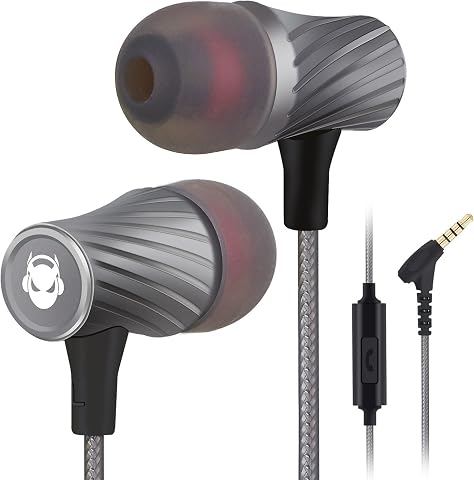
These lightweight wired earbuds deliver powerful super‑bass sound and passive noise cancellation for an immersive listening experience. They feature a durable tangle‑free cable, universal 3.5 mm compatibility, and come with a compact waterproof case and three sizes of soft ear tips for all‑day comfort.
Pros:
- Powerful super‑bass audio with passive noise cancellation
- Lightweight metal housing for comfortable all‑day wear
- Durable, tangle‑free cable and universal 3.5 mm compatibility
- Comes with a waterproof storage case and multiple ear tip sizes
Cons:
- Wired only – no Bluetooth connectivity
- Metal housing may feel cold in cooler environments
Best for: Visitors whose audio guide supports the earbuds’ confirmed connection
Not ideal for: Anyone using a guide device with an incompatible connector
Bottom line: Check the connector, device support, and museum audio guidance before relying on these wired earbuds.
Crossbody Museum Bag
The The North Face Jester Crossbody Bag is the named pick for this slot. A crossbody style can keep a small set of visit essentials close while leaving your hands available, but the product name alone does not confirm capacity, pocket layout, strap adjustment, or how it sits on different body types. Check the full listing and, if possible, try the bag with the items you expect to carry. One common buying mistake is choosing a bag based on its label without checking the museum’s bag policy. Some institutions limit bag size or require larger bags to be checked; rules can vary between galleries and special exhibitions. Measure the bag as packed, including any water bottle or sketchbook, and consider whether its shape will be comfortable in crowded rooms. Adjust the strap so the bag stays close and does not swing into people or displays. Keep valuables secured and bring only what you need. Capacity, strap fit, and policy matter more than the category name when deciding whether this bag works for your visit.What to look for:
- Dimensions and capacity in the full listing
- Pocket layout for the items you plan to carry
- An adjustable strap and comfortable crossbody fit
- Room for essentials without overpacking
- Museum rules for bag size and storage
The North Face Jester Crossbody Bag

The North Face Jester Crossbody Bag is a versatile and lightweight accessory made from recycled polyester with a water-repellent finish. It features multiple compartments and an adjustable strap, suitable for outdoor activities and daily use.
Pros:
- Versatile carrying options with adjustable strap
- Water-repellent finish keeps belongings dry
- Multiple compartments for organization
Cons:
- Limited capacity for larger items
- Not suitable for children under 12
Best for: Visitors who want a hands-free way to carry a small set of essentials
Not ideal for: Anyone whose packed bag exceeds the museum’s limits
Bottom line: Confirm the bag’s fit and capacity, then compare its packed size with the museum’s entry policy.
Pocket Art History Book
A pocket art history book can offer helpful context between galleries, especially if you like to connect individual works with broader movements or periods. There is no product pick for this slot, so choose a book based on the collection or subject you expect to see. A compact guide is easier to carry, while a more detailed reference may be better suited to reading before or after the visit. Look for a clear contents page and an organization that makes it easy to find a topic quickly. A common mistake is buying a general book when you would get more from a focused guide to the museum’s collection, an artist, or a period. Check the publication’s scope and format before choosing; the title and description should make clear what it covers. If you plan to use the book inside the galleries, consider whether you can hold it comfortably and whether the museum allows personal books in exhibition spaces. You can also leave it in your bag and read during a break. Pairing a concise book with the museum’s own labels and audio guide can help you follow your interests without turning the visit into a reading assignment. Choose for relevance and portability.What to look for:
- A subject that matches the collection or visit
- A clear contents page and easy-to-scan organization
- A format comfortable to carry and handle
- A description that states the book’s scope
- Museum guidance on books in galleries
Build your checklist in a need-first order: confirm museum rules and audio guide compatibility, then choose a comfortable bag and any viewing or drawing tools you will use. Add a book or sketchbook only if it fits your plans, and verify the watercolor slot carefully because the named pick is a chess set.
You do not need every item for a rewarding visit. Start with what supports the way you like to explore, keep your carry load manageable, and let the exhibits set the pace. A little preparation can leave you more room to look closely and enjoy the day.
Halloween Picks
halloween
As an affiliate, we earn on qualifying purchases.