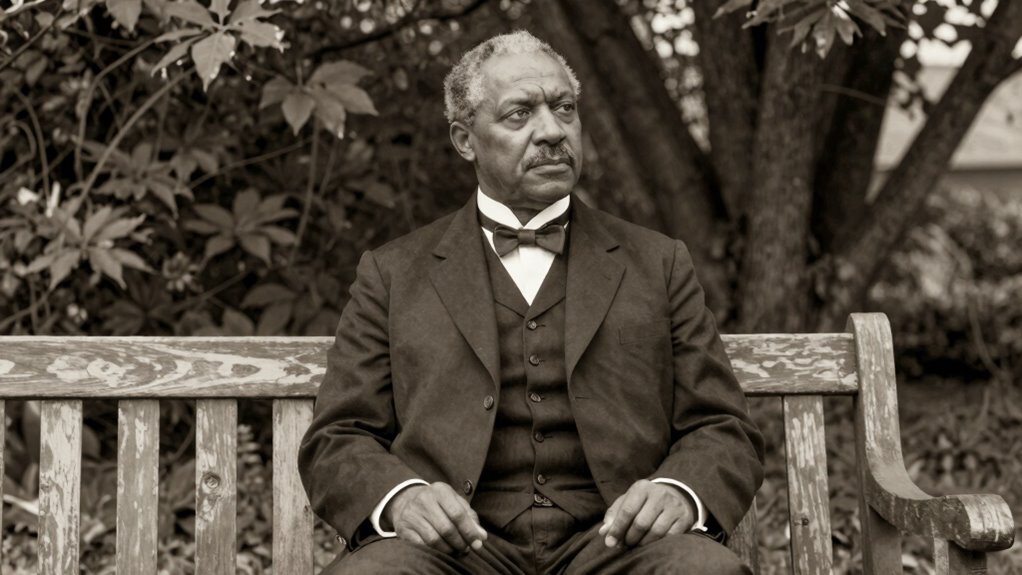

Booker T. Washington transformed communities by focusing on practical education that emphasizes self-reliance and moral development. He used a community-centered approach, building lasting institutions like Tuskegee Institute to foster pride and ownership. His leadership style is pragmatic, driven by service, with a steadfast belief in education’s power to uplift. If you keep exploring, you’ll discover how his vision created enduring change from humble beginnings.
Key Takeaways
- Booker T. Washington transformed communities through pragmatic education, emphasizing vocational skills and moral development.
- He founded the Tuskegee Institute, creating a sustainable, community-centered institution to promote economic independence.
- Washington’s leadership focused on perseverance, humility, and strategic collaboration with local stakeholders.
- He believed education was a powerful tool for individual empowerment and lasting social change.
- His unwavering conviction and pragmatic approach established a lasting influence on American education and community upliftment.
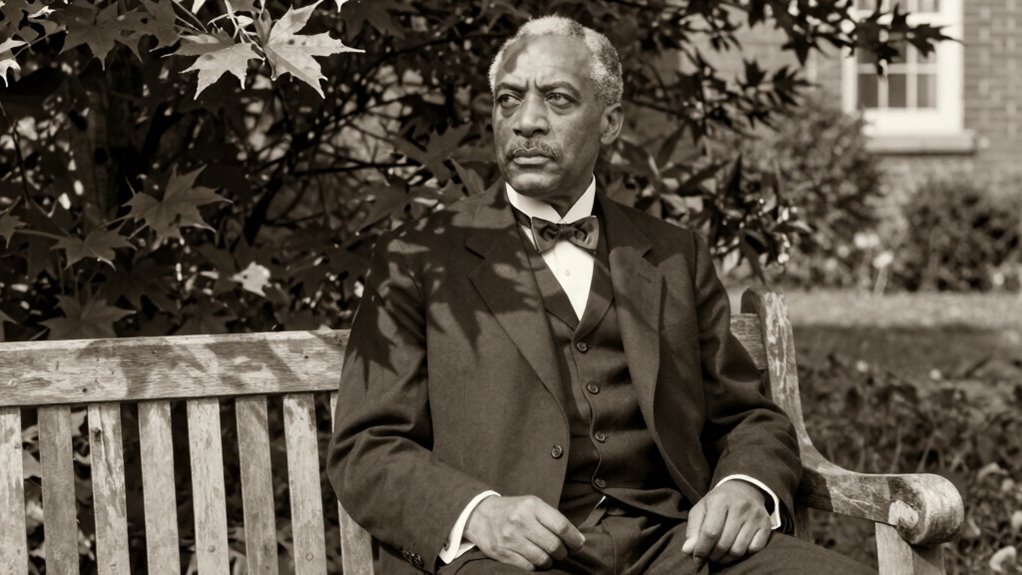
Have you ever wondered how one person can transform a community through education? Booker T. Washington exemplifies this, showing that with the right leadership strategies and a clear educational philosophy, you can create lasting change from the ground up. Washington’s approach wasn’t about quick fixes or superficial solutions; instead, he focused on building a strong foundation rooted in practical skills and moral development. His leadership strategies revolved around perseverance, humility, and a deep understanding of his community’s needs. He believed that empowering individuals through education was the key to elevating entire communities, especially in a time of great social and economic challenges.
Transforming communities through education requires perseverance, humility, and a deep understanding of local needs.
Washington’s educational philosophies emphasized hard work, self-reliance, and vocational training. He argued that learning practical skills would enable African Americans to gain economic independence and respect within society. By promoting this philosophy, he set a clear path for his students and followers—one that prioritized tangible results over abstract ideals. You can see how this approach resonated with many, as it provided a realistic route toward progress and dignity. Instead of waiting for societal change, Washington encouraged people to take control of their futures through education and disciplined effort.
His leadership strategies also involved building institutions that could sustain his vision long-term. He founded the Tuskegee Institute, a place where students could acquire skills that directly impacted their communities. He understood that creating a community-centered educational environment would foster a sense of ownership and pride among students. By engaging local leaders, businesses, and policymakers, Washington created a network that supported and amplified his mission. This strategic collaboration was vital for transforming individual lives into broader social change.
You might also notice how Washington’s educational philosophies aligned with his personal leadership style—focused, pragmatic, and driven by a desire to serve. He believed that education was a tool for upliftment, not just individual achievement but community-wide progress. His ability to communicate this vision with unwavering conviction helped him influence many, even in the face of opposition. You can learn from his example that impactful leadership isn’t about grand gestures but about consistent dedication, strategic thinking, and staying true to core principles.
In the end, Booker T. Washington’s success stemmed from his mastery of leadership strategies and educational philosophies. He showed that transforming a community begins with believing in the power of education and working tirelessly to make that belief a reality. His story proves that from humble beginnings, you can build something meaningful—if you lead with purpose and stay committed to your vision.
vocational training books for adults
As an affiliate, we earn on qualifying purchases.
As an affiliate, we earn on qualifying purchases.
Frequently Asked Questions
What Inspired Booker T. Washington’s Dedication to Education?
You’re inspired by Booker T. Washington’s dedication to education through his strong belief in community uplift and his educational philosophy. His experiences growing up in hardship fueled his passion to provide practical skills and knowledge that could empower others. Seeing education as a tool for transformation, he dedicated himself to building institutions like Tuskegee Institute, knowing that uplifting the community starts with accessible, meaningful learning opportunities.
How Did Washington’s Early Life Influence His Leadership Style?
Your early life, marked by childhood resilience and a rural upbringing, deeply shaped your leadership style. Facing hardships and limited resources, you learned to persevere and value education as a tool for progress. This experience taught you the importance of humility, hard work, and community support. As a leader, you emphasize practical education and self-reliance, inspiring others to overcome obstacles and build a better future through determination and resilience.
What Were Washington’s Main Strategies for Gaining Influence?
You might think influence only comes from loud speeches, but Washington focused on community empowerment and leadership development. He built influence by establishing practical education programs like Tuskegee Institute, fostering self-sufficiency. He emphasized working quietly within communities, earning trust, and demonstrating value through tangible results. This strategic approach helped him grow his influence steadily, proving that genuine leadership often relies on empowering others rather than just making noise.
Did Washington Face Any Significant Opposition or Criticism?
Yes, you’d find that Washington faced significant opposition and criticism, especially from those advocating for immediate racial equality and civil rights. Some viewed his emphasis on racial resilience and vocational education as too accommodating, fearing it perpetuated segregation. Political opposition also emerged, challenging his approach of gradual progress. Despite this, Washington maintained his focus on education and resilience, believing long-term influence required patience and strategic diplomacy.
How Is Washington’s Legacy Viewed Today?
You might think Washington’s legacy is outdated, but his cultural impact remains significant today. Modern perceptions recognize his efforts to uplift African Americans through education and economic progress. While some criticize his accommodationist approach, others admire his dedication to building a foundation for future generations. His influence endures in educational initiatives and civil rights movements, proving that his contributions shaped ongoing struggles for equality and opportunity.
community leadership development courses
As an affiliate, we earn on qualifying purchases.
As an affiliate, we earn on qualifying purchases.
Conclusion
As you reflect on Booker T. Washington’s journey, picture him planting seeds in the fertile soil of opportunity, tending each with unwavering dedication. His influence grew like a mighty oak, rooted in resilience and purpose. You, too, can build your legacy from humble beginnings, nurturing your dreams with perseverance. Just as he transformed the landscape of education, your efforts can shape a future brighter than you ever imagined, one seed of hope at a time.
educational tools for self-reliance
As an affiliate, we earn on qualifying purchases.
As an affiliate, we earn on qualifying purchases.
Tuskegee Institute history books
As an affiliate, we earn on qualifying purchases.
As an affiliate, we earn on qualifying purchases.