
You’ll see how Catherine the Great transformed Russia into a major European power through sharp political moves, smart reforms, and cultural patronage. She navigated court politics to outmaneuver rivals, then consolidated her power with strategic alliances and legal reforms, all while promoting arts and education. Her leadership shaped Russia’s identity, blending enlightened ideals with stability. To fully understand her lasting impact and how she reshaped an empire, keep exploring her fascinating story.

Get art and craft supplies delivered free with Prime
- Fast, free delivery on millions of items
- Prime Video, Amazon Music and more included
- Member-only deals all year
Key Takeaways
- Catherine the Great transformed from an outsider to a powerful ruler through strategic court politics and alliances.
- She modernized Russia by codifying laws and strengthening central authority while balancing stability.
- Catherine embraced Enlightenment ideas, promoting arts, education, and inviting leading thinkers to her court.
- Her cultural patronage reshaped Russian society, emphasizing education, arts, and a progressive image.
- She secured her legacy by blending political savvy with cultural influence, establishing Russia as a major European power.
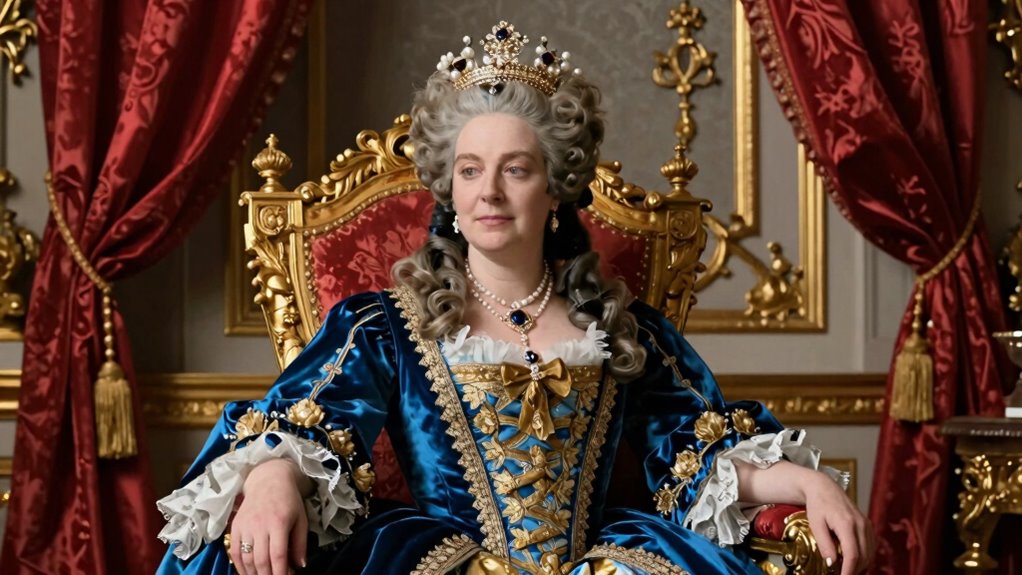
Have you ever wondered how a Russian outsider transformed her tumultuous reign into a golden age of reform and expansion? Catherine the Great’s rise to power was anything but straightforward, but her mastery of political strategy turned her into one of history’s most influential monarchs. She understood that maintaining authority required more than just strength—it demanded cunning, adaptability, and a keen sense of diplomacy. She skillfully navigated court politics, outmaneuvering rivals and consolidating her position through calculated alliances and strategic appointments. Her political strategy wasn’t just about consolidating power; it was about shaping the very fabric of Russian governance. She reformed the legal system, codifying laws that increased central authority and reduced the influence of traditional aristocratic factions. Her reforms aimed to modernize Russia, making it more efficient and aligned with Enlightenment ideals, all while maintaining her grip on the throne. Her ability to balance reform with political stability was a testament to her shrewdness and understanding of power dynamics.
Catherine’s influence extended far beyond politics; her cultural impact reshaped Russian society. She believed that a ruler’s prestige depended on patronage of the arts and education, so she fostered a vibrant cultural scene that drew inspiration from Western Europe. She invited Enlightenment thinkers, artists, and architects to court, transforming Russia into a hub of intellectual and artistic activity. Her correspondence with philosophers like Voltaire and Diderot demonstrated her commitment to enlightenment ideals, which she sought to incorporate into her policies. This cultural influence wasn’t just superficial; it permeated her reforms, encouraging a more progressive and enlightened attitude among her subjects and officials. She promoted education for women and supported the arts, creating a legacy that blended political savvy with cultural sophistication. Her court became a symbol of Russia’s new identity—modern, cultured, and influential in European affairs.
Throughout her reign, Catherine the Great knew that her power depended on a delicate balance—using political strategy to secure her authority while cultivating a cultural environment that reinforced her image as a enlightened ruler. Her ability to adapt, reform, and influence left a mark on Russia that persisted long after her death. She showed that leadership is as much about shaping ideas and culture as it is about wielding authority. In doing so, she transformed Russia from a somewhat isolated empire into a major European power—an enduring testament to her skill as a political strategist and cultural influencer.
Products Worth Considering

GoPro HERO Compact Waterproof 4K Action Camera

GoPro MAX Waterproof 360 and Traditional Action Camera with Touch Screen, 5.6K Video, 16.6MP Photos, Live Streaming, Stabilization

Coleman Skydome XL 8-Person Family Tent
As an affiliate, we earn on qualifying purchases.
Frequently Asked Questions
What Was Catherine the Great’s Personal Life Like Outside Politics?
You’d find Catherine the Great’s personal life quite fascinating. Outside politics, she enjoyed collecting art and expanding her impressive collection, reflecting her love for culture. Her personal relationships were complex; she formed close bonds with influential figures and maintained a passionate, sometimes tumultuous, romantic life. Despite her political power, she sought personal fulfillment through art and meaningful connections, revealing a more human side beneath her formidable leadership.
How Did Catherine Acquire Her Initial Power and Influence?
Imagine climbing a treacherous ladder—you start by forging vital political alliances and steering court intrigues. Catherine the Great acquired her initial power through shrewdly building relationships with influential nobles and securing the favor of key courtiers. She capitalized on her intelligence, charm, and strategic marriages, gradually transforming from an outsider to a formidable ruler. Her keen political maneuvering laid the foundation for her eventual leadership and influence.
Did Catherine Face Any Major Threats During Her Reign?
Yes, you’d face major threats during her reign, including political intrigue and military threats. Catherine constantly navigated conspiracies within the court, ensuring her power remained secure. She also confronted external military challenges, like wars with the Ottoman Empire and Poland. By skillfully managing these threats, she strengthened her authority and expanded Russia’s borders, proving herself a shrewd and resilient ruler who turned threats into opportunities for growth.
What Was Her Stance on Social Reforms and Serfdom?
You’d find that Catherine largely supported social reforms but was cautious about ending serfdom, fearing resistance from landowners. She attempted social reform efforts, like improving education and encouraging arts, but resisted major changes to serfdom because she prioritized stability. Her stance reflected a balance between progressive ideas and maintaining the existing social order, which meant she didn’t push hard against serfdom despite recognizing its issues, leading to ongoing serfdom resistance.
How Is Catherine the Great Viewed in Modern Russia?
Like a mirror reflecting her complex legacy, modern Russia views Catherine the Great with mixed feelings. She’s celebrated for her cultural legacy, seen as a patron of arts and education, yet criticized for her role in strengthening serfdom. In international relations, she’s admired as a powerful leader who expanded Russia’s borders. Overall, opinions are nuanced, recognizing her as a transformative figure whose influence still shapes Russia today.
Conclusion
Imagine standing on the edge of a vast, uncharted ocean, ready to steer your ship through stormy waters. That’s what Catherine the Great did for Russia—charting a new course amid chaos, her vision transforming a fragile empire into a formidable power. Her reign, like a masterful navigator, turned turbulent waves into steady progress. You, too, can learn from her courage—embrace boldness and steer your own destiny, no matter how turbulent the seas.