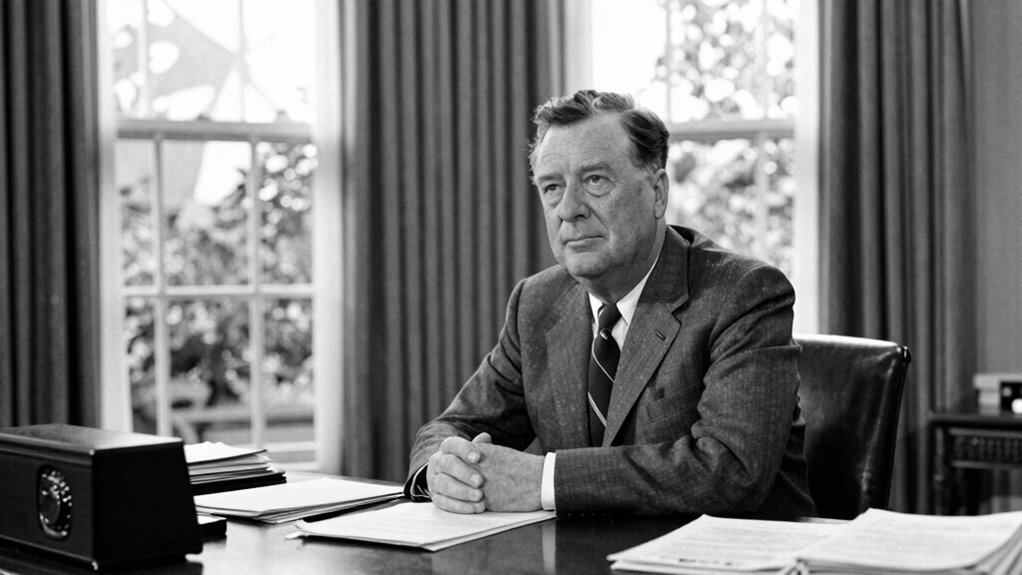

Franklin D. Roosevelt showed remarkable leadership by guiding the nation through its toughest times, from the Great Depression to World War II. He communicated directly with Americans through radio and kept calm during chaos, inspiring confidence. His New Deal reforms revived the economy and provided relief, while his strategic leadership during the war unified the country and strengthened its resolve. Keep exploring his actions to understand how he shaped America’s resilience and future.

Get art and craft supplies delivered free with Prime
- Fast, free delivery on millions of items
- Prime Video, Amazon Music and more included
- Member-only deals all year
Key Takeaways
- Roosevelt demonstrated unwavering leadership, guiding the nation through the Great Depression and World War II with resilience and strategic vision.
- He communicated directly with Americans via radio, providing reassurance and maintaining morale during crises.
- Implemented the New Deal to revive the economy, reform financial institutions, and support vulnerable populations.
- Managed wartime mobilization and diplomacy, uniting the country and forging global alliances.
- His legacy of inspiring confidence and enacting transformative reforms cemented his role as a crisis leader.
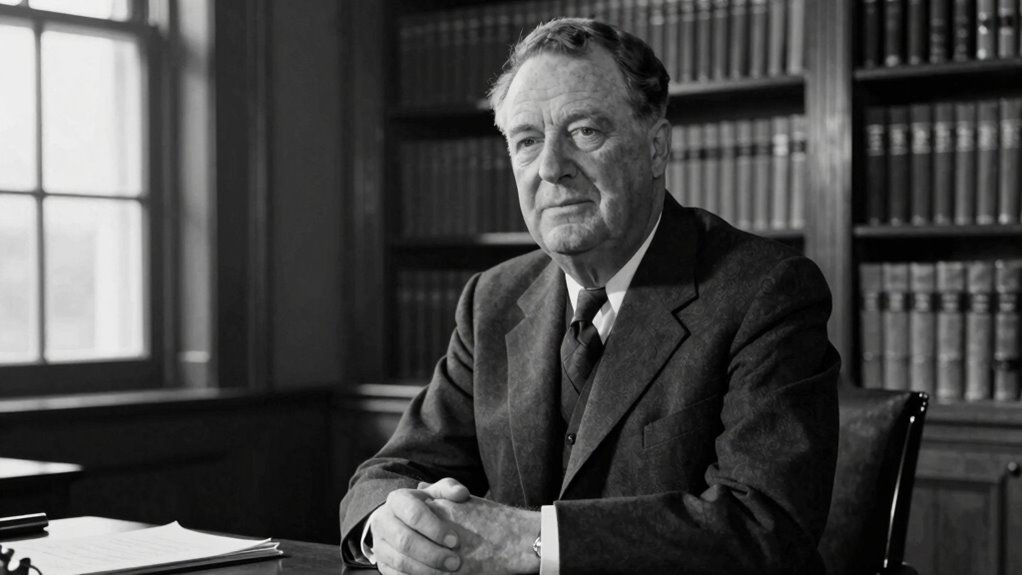
Franklin D. Roosevelt was a leader who faced unprecedented challenges and responded with unwavering determination. As you explore his presidency, you’ll see how his leadership qualities and bold economic reforms transformed the United States during its most turbulent times. Roosevelt’s ability to steer the nation through the Great Depression and World War II wasn’t just about policies; it was about his resilience, vision, and ability to inspire confidence when hope seemed lost. His leadership qualities shine through in how he communicated directly with the American people, using radio broadcasts to foster a sense of unity and purpose. You’ll notice how his calm demeanor and clear resolve provided reassurance in moments of chaos, making him a figure many turned to in their darkest hours.
When it comes to economic reforms, Franklin D. Roosevelt didn’t shy away from radical changes. He implemented the New Deal, a series of programs designed to revive the economy and provide relief to millions suffering under the weight of depression. These reforms weren’t just about fixing the economy—they were about restoring faith in the government and creating a safety net for the vulnerable. You can admire how Roosevelt’s policies tackled unemployment, reformed financial institutions, and modernized American industry. His approach was pragmatic but also visionary, recognizing that government intervention was necessary to stabilize and rebuild the nation. His leadership qualities enabled him to push through these reforms despite opposition, demonstrating his ability to prioritize national recovery over political convenience.
Roosevelt’s leadership was also evident in how he managed the immense pressures of wartime. As the nation entered World War II, he coordinated efforts on an unprecedented scale, rallying the country behind a common cause. His strategic foresight and diplomatic skills helped forge alliances and mobilize resources efficiently. You’ll see how he balanced military needs with economic stability, ensuring that the war effort strengthened the nation rather than tearing it apart. Roosevelt’s resilience kept morale high, even as casualties increased and global tensions escalated. His capacity to maintain focus and adapt to changing circumstances underscored his exceptional leadership qualities.
In essence, you recognize that Franklin D. Roosevelt’s legacy isn’t just in the policies he enacted but in the way he led with courage, clarity, and conviction. His ability to enact sweeping economic reforms and his steadfast leadership through crises left an indelible mark on American history. He demonstrated that true leadership isn’t just about making decisions—it’s about inspiring a nation to overcome adversity and emerge stronger on the other side.
Franklin D. Roosevelt radio broadcast recordings
As an affiliate, we earn on qualifying purchases.
As an affiliate, we earn on qualifying purchases.
Frequently Asked Questions
What Was Franklin D. Roosevelt’s Childhood Like?
Your childhood upbringing was shaped by a privileged family, with strong family influence guiding your values and ambitions. You grew up in a supportive environment, surrounded by influential relatives, which fostered your confidence and sense of responsibility. Despite facing health challenges, you remained resilient, often inspired by your family’s resilience. This foundation helped you develop the determination and leadership qualities that would later define your presidency during times of crisis.
How Did Fdr’s Personal Health Issues Affect His Presidency?
Your understanding is that FDR’s personal health issues had a vital impact on his presidency. His battles with polio limited his mobility, influencing his approach to leadership and policy decisions. Despite these public health challenges, he maintained a strong focus on addressing national crises, often demonstrating resilience that inspired confidence. His health struggles also shaped his relationships with advisors, ultimately affecting how he prioritized and managed essential policies during his time in office.
What Was Roosevelt’s Relationship With Foreign Leaders?
Your understanding of Roosevelt’s relationship with foreign leaders reveals a master diplomat who navigated the world stage with unmatched finesse. He employed strategic diplomatic strategies, fostering international alliances that shaped global politics. Roosevelt’s charm and insight turned potential rivals into allies, creating a web of cooperation that helped secure peace and stability. His ability to connect personally with leaders like Churchill and Stalin proved pivotal in steering the Allies through tumultuous times.
Did FDR Have Any Hobbies or Interests Outside Politics?
You’d find that FDR had several hobbies and interests outside politics, which kept him grounded. He loved sailing and spent time on his yacht, the USS Williamsburg, enjoying the water. He also enjoyed painting and took up oil painting as a personal pursuit, finding it relaxing. Additionally, FDR was a passionate reader, often immersing himself in books. These personal pursuits helped him recharge amid the pressures of leading the nation.
How Did Roosevelt Influence Future Presidential Leadership Styles?
You see, Roosevelt totally revolutionized presidential leadership forever! His groundbreaking leadership innovations and crisis management techniques set a new gold standard for presidents to follow. He showed that empathy, bold decisions, and clear communication can turn chaos into victory. Future leaders now emulate his style, realizing that true strength lies in adaptability and resilience. Roosevelt’s legacy isn’t just historical; it’s a blueprint that shapes presidential leadership to this day.
Great Depression economic reform books
As an affiliate, we earn on qualifying purchases.
As an affiliate, we earn on qualifying purchases.
Conclusion
You’ve seen how Franklin D. Roosevelt faced one crisis after another with resilience and determination. His leadership transformed America during its darkest hours, proving that strong, compassionate guidance can overcome even the toughest challenges. So, when history tests us again, do you have the courage to lead with the same unwavering spirit? Roosevelt’s example reminds us that true leadership shines brightest in our moments of greatest need. Are you ready to rise to the challenge?
World War II leadership documentary DVDs
As an affiliate, we earn on qualifying purchases.
As an affiliate, we earn on qualifying purchases.
As an affiliate, we earn on qualifying purchases.
Halloween Picks
halloween
As an affiliate, we earn on qualifying purchases.