Mahatma Gandhi revolutionized leadership by proving that non-violent resistance can successfully oppose injustice and inspire global change. Through peaceful protests like civil disobedience and campaigns such as the Salt March, he demonstrated that moral strength and unwavering resolve can challenge even powerful regimes without violence. His approach emphasizes compassion and patience, showing that true strength lies in moral courage. If you continue to explore his story, you’ll discover how his methods transformed the fight for justice worldwide.
Key Takeaways
- Mahatma Gandhi pioneered non-violent resistance, transforming the fight for justice through civil disobedience and moral strength.
- His strategies, like the Salt March, showcased peaceful protest’s power to challenge unjust laws.
- Gandhi’s leadership inspired global movements, demonstrating that moral courage can lead to profound change without violence.
- His philosophy emphasized compassion, patience, and unwavering conviction as ethical foundations of resistance.
- Gandhi’s legacy proves non-violent resistance can effectively topple empires and inspire lasting social justice movements.

Gandhi’s philosophy of non-violent resistance transformed the way people fight for justice. You might not realize it, but his approach has inspired countless movements worldwide, proving that change doesn’t need to come with violence or hatred. Instead, Gandhi believed that moral strength and unwavering resolve could challenge unjust systems effectively. Central to his strategy was the concept of civil disobedience—a deliberate, non-violent refusal to obey unjust laws. You see, by breaking the law peacefully, you make a powerful statement, exposing the law’s cruelty or unfairness without resorting to violence. Gandhi’s emphasis on peaceful protests encouraged people to stand together, demonstrating their opposition through calm, disciplined actions rather than chaos and destruction.
When you participate in peaceful protests inspired by Gandhi’s teachings, you tap into a tradition of collective resistance that emphasizes moral high ground. These protests aren’t about inciting violence but about holding moral authority and shining a light on injustice. Gandhi believed that peaceful protests could draw international attention and create moral pressure on oppressive regimes. His campaigns, such as the Salt March, showed how simple acts of civil disobedience could unite diverse groups and challenge colonial rule. You can see how these acts of protest weren’t just symbolic; they were strategic, designed to weaken unjust authority by showcasing the power of non-violent resistance. Moreover, Gandhi’s approach demonstrates how moral courage can be a transformative force in confronting oppression.
Gandhi’s approach teaches you that non-violence is more than just the absence of physical violence—it’s a way of life rooted in compassion, patience, and unwavering conviction. When you engage in civil disobedience or peaceful protests, you’re not only challenging unjust laws but also embodying a moral stance that refuses to perpetuate hatred or violence. This approach can be difficult, especially when faced with oppression or injustice, but Gandhi’s success shows that moral courage combined with peaceful resistance can bring about profound change. His leadership proved that even in the face of overwhelming opposition, non-violent resistance can topple empires and inspire generations.

Hands Off Protest Yard Sign Social Security And Medicare Protest Yard Sign Double Sided Corrugated Plastic Outdoor Weatherproof Signs With H Stake 18"x12"
Express Your Stand Clearly: This "Hands Off" protest yard sign boldly conveys your stance against hate and in…
As an affiliate, we earn on qualifying purchases.
As an affiliate, we earn on qualifying purchases.
Frequently Asked Questions
What Inspired Gandhi’s Commitment to Non-Violence?
You’re inspired by Gandhi’s deep commitment to the philosophy of peace and spiritual inspiration. His belief that non-violence is a powerful way to bring about change drives you to embrace compassion and understanding. Gandhi’s unwavering faith in truth and love, rooted in his spiritual principles, shows you that peaceful resistance can challenge injustice without hatred. His example encourages you to stand firm in non-violence, even in difficult situations.
How Did Gandhi Influence Global Civil Rights Movements?
You see how Gandhi’s emphasis on peaceful protests and civil rights inspired global movements. His approach showed that non-violent resistance can challenge injustice effectively, influencing leaders like Martin Luther King Jr. and Nelson Mandela. By advocating for change through peaceful protests, Gandhi demonstrated that moral power and perseverance can create lasting social transformation. His legacy encourages civil rights activists worldwide to pursue justice without violence, fostering hope and resilience.
What Were Gandhi’s Views on Modern Political Strategies?
You see, Gandhi believed modern political strategies should focus on civil disobedience and strategic activism. He thought non-violent resistance was the most effective way to challenge injustice without violence. By practicing civil disobedience, you can expose unfair laws and inspire change peacefully. Gandhi’s approach encourages strategic activism that empowers individuals to stand against oppression, proving that moral strength and perseverance can transform societies without resorting to violence.
Did Gandhi Ever Compromise His Principles During Protests?
Imagine you’re steering a treacherous river, where every turn presents ethical dilemmas and strategic compromises. Gandhi, like you, faced these waters during protests. He rarely compromised his principles, even when challenged. Sometimes, he adjusted tactics to maintain non-violence or avoid unnecessary suffering, but his core beliefs remained intact. His unwavering commitment shows that, with careful navigation, you can stay true to your values amidst difficult circumstances.
How Is Gandhi’s Legacy Perceived Today Worldwide?
You see Gandhi’s legacy worldwide as a powerful symbol of non-violent resistance and moral courage. His global influence inspires modern peace initiatives, encouraging leaders and activists to seek peaceful solutions. People continue to admire his dedication to justice and truth, recognizing his methods as timeless. Gandhi’s principles shape movements today, proving his lasting impact on global efforts for social change, human rights, and conflict resolution.

Civil Disobedience Is Civil Defense – 2.25" Round Magnet
This magnet is perfect to put on your refrigerator, car, or any other magnetic surface!
As an affiliate, we earn on qualifying purchases.
As an affiliate, we earn on qualifying purchases.
Conclusion
You see, Gandhi’s non-violent movement inspired over 78 countries to adopt peaceful resistance strategies. His approach proved that even in the face of oppression, you can achieve change without violence. By embracing his principles, you hold the power to influence others and create lasting impact. Remember, one person’s commitment to peace can spark a global wave of transformation—showing that non-violence truly has the strength to change the world.

Mostly Peaceful – Funny Political Protest Joke T-Shirt
Funny design.
As an affiliate, we earn on qualifying purchases.
As an affiliate, we earn on qualifying purchases.
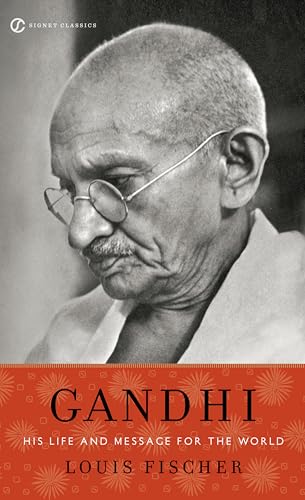
Gandhi: His Life and Message for the World (Signet Classics)
As an affiliate, we earn on qualifying purchases.
As an affiliate, we earn on qualifying purchases.