
Choosing among art history books for students comes down to one big tradeoff: depth versus approachability. Heavy two-volume surveys like Stokstad’s Art History Combined cover everything from prehistory to the present but can overwhelm a first-year student, while compact options like The Short Story of Art make movements easy to grasp but skip the detail exam papers demand. My best overall pick is Art History Combined, because it balances scholarly rigor, readable prose, and full course-level coverage in one binding. For students on a budget, The Short Story of Art is a standout quick-reference companion, and A Survival Guide for Art History Students earns its place by teaching the skills textbooks assume you already have. Read on for the full ranking and what each book does best.
Listen free for 30 days with Audible
Thousands of audiobooks and originals — cancel anytime.
Start your free trialAs an affiliate, we earn on qualifying purchases.
Key Takeaways
- Course-assigned textbooks (Art History Combined, Janson’s History of Art) dominated the top of the ranking because their chapter structure, glossaries, and image programs are built around how art history is actually taught and tested.
- Single-volume surveys cost less than half of multi-volume sets and cover the same span, making them the smarter buy for students taking only one or two art history courses.
- Skills-based books like A Survival Guide for Art History Students fill a gap none of the surveys address: how to write compare-and-contrast essays, memorize images, and cite artworks correctly.
- Visual encyclopedias (Art: The Definitive Visual Guide) work poorly as primary course texts because they lack narrative and argument, but excel as affordable image-rich references for visual learners.
- Digital access codes and edition numbers matter more than cover price: a professor requiring the 6th edition page numbering will not accept an older reprint, no matter how cheap it is.
| Art History Vol 1 (6th Edition) |  | Best Overall | Format: Paperback textbook | Edition: 6th Edition | Coverage: Volume 1 — early art history through the Renaissance period | VIEW LATEST PRICE | See Our Full Breakdown |
| Discovering Art History |  | Best for High School Courses | Format: Educational paperback | Audience: High school and introductory students | Coverage: Art across periods and cultures with historical context | VIEW LATEST PRICE | See Our Full Breakdown |
| Art: The Definitive Visual Guide |  | Best Visual Reference | Format: Large-format illustrated hardcover/paperback | Coverage: Global art across styles, periods, and artists | Strength: High-quality image reproduction at scale | VIEW LATEST PRICE | See Our Full Breakdown |
| The Short Story of Art |  | Best Value for Beginners | Format: Pocket-sized paperback guide | Coverage: Key movements, works, themes, and techniques | Audience: Beginners and casual learners | VIEW LATEST PRICE | See Our Full Breakdown |
| A Survival Guide for Art History Students |  | Best Study Companion | Format: Practical guide paperback | Coverage: Study techniques, research methods, and career advice | Audience: Art history majors and students | VIEW LATEST PRICE | See Our Full Breakdown |
| Art History Combined |  | Best Full-Survey Textbook | Format: Combined full-survey textbook | Coverage: All major periods and movements | Audience level: Undergraduate students and enthusiasts | VIEW LATEST PRICE | See Our Full Breakdown |
| Art History: 1 |  | Best First-Semester Companion | Format: First volume of a survey introduction | Coverage: Ancient through early Renaissance art | Audience level: Beginners and first-year students | VIEW LATEST PRICE | See Our Full Breakdown |
| The Arts: A Visual Encyclopedia of Art History |  | Best Visual Learner Pick | Format: Illustrated visual encyclopedia | Coverage: Movements, artists, and techniques, survey level | Audience level: Children, beginners, and visual learners | VIEW LATEST PRICE | See Our Full Breakdown |
| Art History for Everyone: Learn Art in a Fun, Easy, No-Nonsense Way | 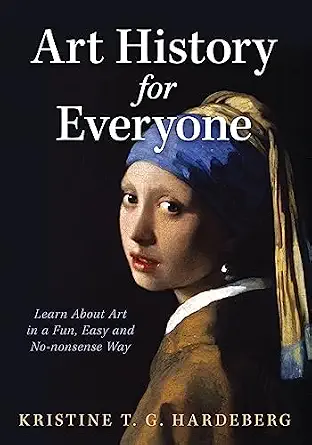 | Best Budget Starter | Format: Beginner-friendly introductory guide | Coverage: Key movements, artists, and major works | Audience level: Absolute beginners | VIEW LATEST PRICE | See Our Full Breakdown |
| Janson’s History of Art: The Western Tradition, Reissued Edition, Volume 1 |  | Best for Survey Courses | Format: Paperback / hardcover textbook | Coverage: Western art, antiquity through pre-modern (Volume 1) | Edition: Reissued edition | VIEW LATEST PRICE | See Our Full Breakdown |
| Art in Focus Student Edition |  | Best for High Schoolers | Format: Student edition textbook | Level: Middle school / high school introductory | Coverage: Foundational art concepts, techniques, and movements | VIEW LATEST PRICE | See Our Full Breakdown |
| Art History 101… Without the Exams: Looking Closely at Objects from the History of Art |  | Best Casual Read | Format: Essay collection, print | Coverage: Selected objects from across art history | Approach: Close-looking essays, no exam focus | VIEW LATEST PRICE | See Our Full Breakdown |
| art history books for student | Format | Coverage | Audience | Depth |
|---|---|---|---|---|
| Art History Vol 1 | Paperback textbook | Volume 1 — early art history through the Renaissance period | Undergraduate students and serious enthusiasts | — |
| Discovering Art History | Educational paperback | Art across periods and cultures with historical context | High school and introductory students | Broad overview rather than close analysis |
| Art: The Definitive Visual Gui | Large-format illustrated hardcover/paperback | Global art across styles, periods, and artists | Students and art enthusiasts | Image-led with concise supporting text |
| The Short Story of Art | Pocket-sized paperback guide | Key movements, works, themes, and techniques | Beginners and casual learners | Introductory overview only |
| A Survival Guide for Art Histo | Practical guide paperback | Study techniques, research methods, and career advice | Art history majors and students | — |
| Art History Combined | Combined full-survey textbook | All major periods and movements | — | Broad coverage, variable detail |
| Art History: 1 | First volume of a survey introduction | Ancient through early Renaissance art | — | — |
| The Arts: A Visual Encyclopedi | Illustrated visual encyclopedia | Movements, artists, and techniques, survey level | — | — |
| Art History for Everyone: Lear | Beginner-friendly introductory guide | Key movements, artists, and major works | — | — |
| Janson’s History of Art: The W | Paperback / hardcover textbook | Western art, antiquity through pre-modern (Volume 1) | Undergraduate survey students | Advanced survey level |
| Art in Focus Student Edition | Student edition textbook | Foundational art concepts, techniques, and movements | Beginner students | Introductory |
| Art History 101… Without the | Essay collection, print | Selected objects from across art history | Beginners and enthusiasts | Accessible introduction |
More Details on Our Top Picks
Art History Vol 1 (6th Edition)
Art History Vol 1 (6th Edition) earns the top spot because it does what a student actually needs a survey textbook to do: cover the full arc of early art history with the rigor expected in a college classroom. Compared with The Short Story of Art, which compresses everything into bite-sized summaries, this volume gives periods and movements room to breathe, so exam prep and essay writing feel grounded rather than superficial. The 6th edition updates matter too — instructors frequently assign specific editions, and matching the syllabus avoids page-number chaos. The tradeoff is weight and cost: this is a dense, expensive textbook, closer to Janson’s History of Art in heft than to any casual read. This pick makes the most sense for students enrolled in a structured course who need one book to carry them through the semester.
Pros:- Comprehensive coverage of major periods and movements
- Updated 6th edition content aligns with current course syllabi
- Deep enough context for essays and exam preparation
- Written for a student audience with pedagogical structure
Cons:- Expensive compared with popular survey alternatives
- Heavy and dense — not a portable or casual read
Best for: College students taking a survey course who need a syllabus-aligned textbook with deep period coverage
Not ideal for: Casual readers or self-learners on a budget — the textbook pricing and academic density are overkill outside a course
- Format:Paperback textbook
- Edition:6th Edition
- Coverage:Volume 1 — early art history through the Renaissance period
- Audience:Undergraduate students and serious enthusiasts
- Scope:Comprehensive survey of major periods and movements
- Style:Academic textbook with scholarly depth
Our verdict“The safest single purchase for enrolled students who need one authoritative textbook to match their coursework.”
Discovering Art History
Discovering Art History occupies a different lane than the college-heavy titles here. Where Art History Vol 1 assumes university-level reading stamina, this book paces itself for high school and intro-level classrooms, pairing movements and artists with visual examples and timelines that help newer students build a mental framework. Those timelines are the real differentiator — compared with The Short Story of Art, which is organized around quick reference entries, this book teaches chronology as a skill, which pays off on tests. The compromise is analytical depth: individual artworks get broad treatment rather than close reading, so students writing advanced comparisons will outgrow it. This option stands out as a first serious survey before committing to a heavyweight textbook.
Pros:- Clear chronological structure with helpful timelines
- Visual examples support learners new to the subject
- Accessible writing level for younger students
- Balances Western and non-Western cultural context
Cons:- Lacks detailed analysis of individual artworks
- Too broad for advanced readers ready for specialized study
Best for: High school students and intro-level learners who need a structured, visual first survey of art history
Not ideal for: Advanced or AP/college students who need detailed analysis of specific works for papers and exams
- Format:Educational paperback
- Audience:High school and introductory students
- Coverage:Art across periods and cultures with historical context
- Features:Visual examples and timelines
- Style:Classroom-friendly survey
- Depth:Broad overview rather than close analysis
Our verdict“The right on-ramp for younger students before they tackle a college-level survey text.”
Art: The Definitive Visual Guide
No other book in this lineup competes with Art: The Definitive Visual Guide on imagery. Its high-quality reproductions make it the book to reach for when a slide identification exam looms or when a student wants to actually see brushwork rather than read about it. Compared with Discovering Art History, the visual coverage here is far richer and spans more styles and periods, which is why it earns a permanent spot on the desk rather than in a backpack. The flip side is honest: the text runs thin. Anyone writing an analytical essay will need Art History Vol 1 alongside it, because this guide prioritizes breadth of images over argument and interpretation. Treat it as a visual companion, not a standalone textbook.
Pros:- Extensive, high-quality visual coverage across styles and periods
- Excellent for memorizing artworks and artists visually
- Broad scope spanning many cultures and eras
- Accessible browsing format for quick reference
Cons:- Lacks detailed textual analysis for essay-based coursework
- Large and heavy — better as a desk reference than a carry-along
Best for: Visual learners and students who need a rich image library for slide identification and visual memorization
Not ideal for: Students who need textual analysis and art-historical argument — the writing here supports the pictures, not the other way around
- Format:Large-format illustrated hardcover/paperback
- Coverage:Global art across styles, periods, and artists
- Strength:High-quality image reproduction at scale
- Audience:Students and art enthusiasts
- Style:Visual reference guide
- Depth:Image-led with concise supporting text
Our verdict“A must-have visual companion for students who learn by seeing, but pair it with a text-driven survey for written work.”
The Short Story of Art
The Short Story of Art is the cheapest, fastest way for a beginner to get oriented. Its pocket-sized format distills key movements, works, themes, and techniques into entries you can absorb between classes, and that focus is its whole point. Compared with Art History Vol 1, it costs a fraction of the price and demands a fraction of the time — but it also replaces depth with orientation, so it works best as a pre-course primer or revision aid rather than a primary text. Next to Art: The Definitive Visual Guide, it trades lavish imagery for portability and speed. Advanced students will hit its ceiling quickly; for someone starting from zero, that ceiling is exactly high enough.
Pros:- Concise, easy-to-digest entries on movements and techniques
- Genuinely portable pocket format
- Very affordable entry point into art history
- Logical structure covering works, themes, and techniques
Cons:- Lacks in-depth analysis of any single period or work
- Limited long-term value once basics are mastered
Best for: Beginners and pre-semester students who want an affordable, fast overview before committing to expensive textbooks
Not ideal for: Students mid-course or beyond — the condensed entries can’t support detailed essays or upper-level study
- Format:Pocket-sized paperback guide
- Coverage:Key movements, works, themes, and techniques
- Audience:Beginners and casual learners
- Structure:Concise reference entries
- Portability:Highly compact and travel-friendly
- Depth:Introductory overview only
Our verdict“The best low-risk first purchase for absolute beginners — buy it before the semester, not during it.”
A Survival Guide for Art History Students
Every other book here teaches art history; A Survival Guide for Art History Students teaches how to survive studying it. That makes it a category of one in this roundup — it won’t help you learn the Renaissance, but it will help you research, study, and plan a career around the subject. Compared with The Short Story of Art, which covers content, this covers method: note-taking, research methods, and professional guidance for art history majors. The tradeoff is obvious — it’s a supplement, not a substitute, and pairs best with a real survey text like Art History Vol 1. Students already confident in their study habits may find parts of it obvious. For majors feeling overwhelmed, it fills a gap no other pick here addresses.
Pros:- Practical study and research strategies tailored to art history
- Career guidance rarely found in survey textbooks
- Addresses the major as a whole, not just one course
- Complements any survey text in this lineup
Cons:- Contains no art history content — purely supplemental
- Limited value for students with strong existing study habits
Best for: Art history majors who need help with study techniques, research methods, and career planning alongside their coursework
Not ideal for: Students seeking art history content itself — this covers skills and strategy, not movements or artworks
- Format:Practical guide paperback
- Coverage:Study techniques, research methods, and career advice
- Audience:Art history majors and students
- Type:Supplemental skills guide, not a survey text
- Style:Practical and instructional
- Best use:Alongside a primary textbook
Our verdict“A smart second purchase for majors who have the textbooks but need the study skills and career roadmap to go with them.”
Art History Combined
For students who need one book to carry them from prehistory to contemporary art, this combined volume is the most complete survey in this batch. Where Art History: 1 stops at the first half of the timeline, this edition keeps going, which matters for anyone facing a two-semester sequence without wanting to juggle two volumes. Compared with Art History, Revised Second Edition, Volume II, it trades some depth in modern movements for sheer breadth. The density is real: chapters move fast and some sections read more like reference material than narrative, so casual readers will find it heavy going. But for coursework, that density is exactly the point — it functions as both a textbook and a study reference, which most shorter picks in this roundup cannot do.
Pros:- Covers the entire art historical timeline in a single volume
- Spans diverse periods, movements, and artists in one reference
- Doubles as both a course text and an exam-study reference
- More complete than single-volume or half-survey editions
Cons:- Some sections lack detailed artwork descriptions
- Dense writing style that punishes casual or self-paced readers
Best for: College students enrolled in a full-year art history survey course who need complete chronological coverage in one book
Not ideal for: Casual readers and hobbyists — the dense, textbook-style prose makes leisure reading a chore
- Format:Combined full-survey textbook
- Coverage:All major periods and movements
- Audience level:Undergraduate students and enthusiasts
- Structure:Chronological, textbook-style
- Depth:Broad coverage, variable detail
- Best use:Two-semester art history survey courses
Our verdict“The pick for students who need the whole story in one spine — as long as they’re prepared for textbook-weight reading.”
Art History: 1
Think of this as the front half of the survey, and the reason to choose it over Art History Combined is simple: lighter to carry, cheaper to buy, and matched to a fall-semester syllabus. It walks through the major early periods and styles with enough context that a student new to the subject can follow without prior background. The catch is depth — specific artworks get less individual attention than in the revised Volume II, and there’s no multimedia component to fill the gap, so visual learners may want to supplement with something like The Arts: A Visual Encyclopedia for imagery. For a structured course, though, that’s what lectures are for. This pick makes the most sense when you only need the first half and don’t want to pay for the whole.
Pros:- Approachable starting point for readers with no art background
- Focused on the foundational periods students learn first
- More affordable and portable than combined editions
- Clear chronological structure that mirrors standard syllabi
Cons:- Limited detail on individual artworks
- No multimedia or supplementary content included
- Covers only the first half of the timeline
Best for: First-semester students and beginners following a structured course on early art history
Not ideal for: Readers who want rich visual or multimedia support — this is a text-first introduction
- Format:First volume of a survey introduction
- Coverage:Ancient through early Renaissance art
- Audience level:Beginners and first-year students
- Structure:Chronological overview of periods and styles
- Visual content:Text-led with limited supplementary media
- Best use:First-semester survey courses
Our verdict“The right buy when your course — or your curiosity — stops at the Renaissance; otherwise go combined.”
The Arts: A Visual Encyclopedia of Art History
Where Art History for Everyone leans on plain-language text, this encyclopedia flips the ratio: colorful, generous imagery carries the learning, with captions and short entries doing the explanatory work. That makes it the friendliest option here for visual learners, younger students, and anyone who bounces off dense textbook prose. Coverage spans movements, famous artists, and techniques at a survey level, so a student can use it as a visual companion alongside Art History: 1 during a first course. The limitation is just as clear — it doesn’t replace analytical reading. Essay questions and exams demand the kind of textual argument this book simply doesn’t attempt, and advanced students will outgrow it quickly. Think of it as a gateway and a reference for looking, not a study text.
Pros:- Rich, colorful illustrations on nearly every page
- Engaging format that works for children and beginners
- Broad coverage of movements, artists, and techniques
- Excellent quick-reference companion to heavier textbooks
Cons:- Lacks detailed textual analysis of artworks
- Too shallow as a primary course text for older students
Best for: Visual learners, younger students, and beginners who absorb information better through images than text
Not ideal for: High school or college students needing textual analysis for essays and exams — the visual focus leaves arguments thin
- Format:Illustrated visual encyclopedia
- Coverage:Movements, artists, and techniques, survey level
- Audience level:Children, beginners, and visual learners
- Visual content:Full-color illustrations throughout
- Text density:Short entries and captions
- Best use:Visual reference and introductory browsing
Our verdict“The best visual on-ramp to art history — a companion and gateway, never a substitute for a real survey text.”
Art History for Everyone: Learn Art in a Fun, Easy, No-Nonsense Way
Of everything in this roundup, this is the least intimidating entry point. The promise is in the title: plain language, no jargon, key movements explained fast. Compared with Art History Combined, it’s a fraction of the commitment — a student who feels overwhelmed before week one can read this first and walk into lectures with a mental map already in place. That said, the ceiling is low. Advanced readers will find the analysis thin, and unlike The Arts: A Visual Encyclopedia, there’s little imagery to lean on, so it asks you to picture works from description alone. This pick makes the most sense as a confidence-builder or a pre-course primer — not as the book you’ll still be consulting at finals.
Pros:- Genuinely accessible writing with no academic jargon
- Fun, fast-paced approach that builds confidence early
- Covers key movements, artists, and artworks efficiently
- Inexpensive entry point to the subject
Cons:- Too shallow for advanced readers or coursework
- No illustrations or visual aids mentioned
Best for: Anxious beginners and pre-course students who want a quick, low-cost orientation before tackling a real textbook
Not ideal for: Students needing exam-level depth or visuals — this is text-only and stays at surface level
- Format:Beginner-friendly introductory guide
- Coverage:Key movements, artists, and major works
- Audience level:Absolute beginners
- Tone:Conversational, no-nonsense
- Visual content:Text-focused, no illustrations
- Best use:Pre-course primer or casual self-study
Our verdict“A cheap, friendly warm-up read — buy it to get oriented, then hand it off once the real studying starts.”
Janson’s History of Art: The Western Tradition, Reissued Edition, Volume 1
Janson’s History of Art remains the backbone of many college art history survey courses, and for good reason: it covers the Western tradition from antiquity forward with the depth that exam-based classes demand. Where Art History 101… Without the Exams invites casual looking, Janson asks students to master chronology, movements, and attribution — the skills graded in a classroom. The reissued edition refreshes scholarship and imagery compared with older printings, which matters if your syllabus references page numbers from a recent version.
The tradeoff is weight and cost. This is a dense, expensive textbook, and Volume 1 alone stops before the modern era, so students needing full coverage must buy Volume 2 as well. Compared with Art: The Definitive Visual Guide, Janson is far more rigorous but far less browsable.
Pros:- Comprehensive, chronological coverage of Western art history
- Reissued edition updates scholarship and reproductions
- Standard text for many university survey courses, so it aligns with syllabi
- Strong contextual writing that connects art to historical periods
Cons:- Volume 1 alone does not reach modern art — full coverage requires buying Volume 2
- Heavy and expensive compared with accessible alternatives like Art History 101… Without the Exams
Best for: Undergraduates enrolled in a Western art survey course where Janson is the assigned or recommended text
Not ideal for: Casual readers or self-learners on a budget — the price and textbook density exceed what hobbyist study requires
- Format:Paperback / hardcover textbook
- Coverage:Western art, antiquity through pre-modern (Volume 1)
- Edition:Reissued edition
- Audience:Undergraduate survey students
- Depth:Advanced survey level
- Companion volume:Volume 2 sold separately
Our verdict“Buy this if your course requires the canonical Western survey; skip it if you want a light, affordable introduction.”
Art in Focus Student Edition
Art in Focus occupies the middle-school-to-high-school lane that most art history books ignore. Unlike Janson’s History of Art, which assumes college-level reading stamina, this student edition scaffolds foundational concepts — vocabulary, media, and basic movements — in a format built for classroom pacing and assignments. Students who find the dense prose of Art History Combined overwhelming will get a gentler on-ramp here.
The tradeoff is ceiling. Once a student grasps the basics, the book has little to offer; there is no advanced analysis or historiography, and readers preparing for AP or college exams will outgrow it quickly. Think of it as a stepping stone: it teaches how to look at and talk about art, while books like Art History 101… Without the Exams take a more narrative approach to the same beginner territory.
Pros:- Introduces core art vocabulary and concepts at an accessible reading level
- Structured for classroom use with student-friendly organization
- Covers foundational techniques alongside historical content
- Less intimidating than college survey texts like Janson’s
Cons:- Limited advanced content — students will outgrow it within a year or two
- Sparse product details make it hard to verify edition and condition before buying
Best for: High school and middle school students taking a first art appreciation or introductory art history class
Not ideal for: College students or advanced learners — the content stops well below survey-course depth
- Format:Student edition textbook
- Level:Middle school / high school introductory
- Coverage:Foundational art concepts, techniques, and movements
- Pedagogy:Classroom-oriented structure
- Audience:Beginner students
- Depth:Introductory
Our verdict“The right first textbook for teenage students; anyone past introductory level should move to a fuller survey text.”
Art History 101… Without the Exams: Looking Closely at Objects from the History of Art
This is the book for students who want to actually enjoy art history rather than memorize it. Instead of the march-through-chronology structure of Janson’s History of Art, this collection of essays picks individual objects and examines them closely, teaching slow looking and visual reasoning — skills that quietly pay off in any exam-based course later. Compared with A Survival Guide for Art History Students, which is tactical and course-focused, this one is conversational and curiosity-driven.
The catch is real, though: no images are included, so readers must look up each artwork themselves, and there is no systematic coverage you could study from for a test. It works as a supplement or a first taste, not a replacement for Art History Vol 1 or another structured survey.
Pros:- Engaging, accessible essay style that builds genuine interest in art
- Teaches close-looking skills transferable to formal study
- Low-pressure format ideal for reading outside class
- Affordable and lightweight compared with survey textbooks
Cons:- No images or visual aids — every artwork must be looked up separately
- Lacks the systematic coverage needed for exam preparation
Best for: Curious beginners and art appreciation readers who want an engaging, essay-driven intro without coursework pressure
Not ideal for: Students studying for exams — the lack of images and systematic coverage makes it useless as a primary study text
- Format:Essay collection, print
- Coverage:Selected objects from across art history
- Approach:Close-looking essays, no exam focus
- Images:None included
- Audience:Beginners and enthusiasts
- Depth:Accessible introduction
Our verdict“A supplement that sparks curiosity rather than a study guide — perfect alongside a survey text, not instead of one.”
How We Picked
I evaluated each book against what actually determines success in an art history course: scope and period coverage, readability for students rather than academics, quality and quantity of the image program, and how well the structure supports memorization and exam prep. Textbooks with clear chronology, boxed timelines, and glossaries ranked higher than books with beautiful images but weak organization, because students are graded on arguments and dates, not just picture recognition.
I also weighed price per use and audience fit. A $200 two-volume set makes sense for a declared art history major spanning multiple semesters, but it is a poor buy for a student fulfilling one general education requirement — so several slots go to affordable single-volume and supplemental picks. Books that serve a distinct role, like skill-building or quick review, were ranked within that role rather than punished for lacking textbook-level depth. That role-based logic is why the final list orders full surveys first, then accessible alternatives, then targeted supplements.
Factors to Consider When Choosing Art History Books For Students
Before spending money on any art history book, match the purchase to your course demands, your study habits, and how long you will actually keep the book. These are the factors that most often separate a smart buy from a shelf-weight mistake.
Check Your Syllabus Before Anything Else
The single most common and expensive mistake is buying a book your professor does not use. If your course lists a specific edition, the page numbers, image numbers, and assigned readings are tied to that exact printing — an older edition can leave you reading the wrong chapters entirely. Before substituting a cheaper alternative, email the professor and ask whether any edition works. If the answer is flexible, you can often save heavily with a prior edition or a different survey covering the same periods. If it is not flexible, budget for the assigned text and treat everything else in this roundup as a supplement rather than a replacement.
Single Volume Versus Multi-Volume Sets
Most survey textbooks split into Volume 1 (prehistory to roughly the Renaissance) and Volume 2 (Renaissance or Baroque to the present) because courses are usually one-semester slices of that timeline. If you will take both halves, a combined edition typically costs less than buying the two volumes separately and keeps everything in one place. If you are taking only one semester, buy only the volume you need — combined editions are heavier, more expensive, and mostly dead weight after the course ends. Art history majors planning graduate study are the exception: multi-volume sets retain reference value for years, and the resale market for them stays strong.
Depth Versus Approachability
Academic surveys like Janson’s and Stokstad’s reward close reading but assume patience with dense prose and formal analysis. Accessible alternatives trade scholarly apparatus for clarity, which helps students who are new to the subject or taking it as an elective. The honest tradeoff: approachable books make concepts stick faster, but they rarely provide the comparative arguments and periodization frameworks that essay questions reward. A practical strategy many students use is pairing one of each — an approachable book for first-pass understanding and the assigned survey for exam-level detail. Buying only the friendly version works for casual learners and usually backfires for graded coursework.
Image Quality and Color Reproduction
Art history is a visual discipline, and exams routinely test slide identification, so the quantity, size, and color accuracy of a book’s images directly affect your grade. Premium hardcover textbooks reproduce color faithfully and print images at generous sizes; budget paperback reprints often shrink plates, drain color, or print key works in black and white. Check the page count and physical dimensions before buying, because a 400-page book crammed with tiny images serves you worse than a 300-page book with fewer, larger plates. If your study style depends on flashcards or visual memorization, prioritize books with clearly captioned, numbered images you can reference quickly.
Edition, Condition, and Hidden Costs
Art history textbooks are reprinted frequently, and publishers push new editions mostly by reshuffling images and page numbers rather than rewriting history — which is exactly why older editions can be a bargain when your professor allows them. Rental and used copies cut costs dramatically, but read the listing carefully for missing access codes, since bundled digital platforms are sometimes required for graded quizzes and cannot be bought separately at a discount. International editions can save money but may use different image numbering. Always calculate the total cost including any required online component, not just the sticker price on the book itself.
Think Beyond the Survey Course
Surveys teach you what happened in art history, but not how to perform as a student of it. Skills guides that cover formal analysis writing, image memorization techniques, and citation formats address the part of the grade that textbooks silently assume. If your course includes research papers or compare-and-contrast essays — and nearly all do — a small supplemental book on method often improves results more than a second survey ever could. These supplements are cheap, small, and worth keeping long after the textbook is resold. Students who skip them tend to lose points not on facts, but on execution.
Frequently Asked Questions
Do I need the newest edition of an art history textbook, or will an older one work?
It depends on how your professor assigns readings. If the syllabus references specific page numbers or image numbers, the edition matters a great deal, because publishers reshuffle content between printings and an older edition can leave you studying the wrong plates. If the professor assigns by chapter title or topic instead, a prior edition usually works fine, since the core narrative of art history barely changes between printings. My practical advice: buy the listed edition if readings are page-specific, and save money with a used prior edition when they are not. Also confirm whether the course requires an online access code bundled only with new copies — that alone can force the new-edition purchase.
Is one combined volume better than buying Volume 1 and Volume 2 separately?
Combined editions make sense only if you will take both halves of the survey sequence, typically ancient-through-Renaissance and Renaissance-through-modern. If that describes your degree plan, a combined volume usually costs less than the two separate books and spares you a second purchase mid-year. If you are taking a single semester, buying just the relevant volume is cheaper, lighter to carry, and leaves you with nothing unused afterward. One caveat: combined editions are physically large and heavy, which matters if you commute or prefer studying from a bag. Match the format to your actual course plan rather than assuming bigger is a better deal.
Can a visual encyclopedia replace a textbook for an art history course?
Not for a graded course, and the difference comes down to structure rather than quality. Encyclopedias organize art alphabetically or by period without a narrative argument, while textbooks build chronologically and teach you cause-and-effect relationships between movements — which is precisely what essay questions test. Where encyclopedias genuinely shine is as a supplementary image bank for visual learners who want to memorize more artworks than the assigned text provides, and as affordable references for casual interest. Used as a companion, they can raise your slide-identification performance. Used as a replacement, they leave you without the analytical framework professors reward.
What book should I buy if I’m struggling with essays rather than facts?
Look at skill-focused supplements rather than another survey. Books built around art historical method teach you how to write formal analysis, structure compare-and-contrast essays, and describe works using correct terminology — skills that standard textbooks assume you already possess. Many students lose more points on essay execution than on factual recall, so a small methods guide often produces a bigger grade improvement than rereading the survey ever would. Pair it with whatever textbook your course assigns and use the methods book each time a writing assignment appears. It also retains value after graduation in a way a dated edition of a survey does not.
How much should I expect to spend on an art history book as a student?
Your realistic range is roughly fifteen dollars for pocket guides and used paperbacks to over two hundred for a new two-volume survey bundle with digital access. A sensible middle path for most students lands between forty and ninety dollars: a used or rented single-volume survey, possibly paired with a cheap supplemental guide. Decide based on course requirements first — if a specific edition is mandated, that price is fixed, and your savings come from renting or buying used. For self-study or elective courses, you can stay at the low end entirely, since approachable single-volume histories cover the same ground without textbook pricing. Budget for the total cost including access codes before committing.
Conclusion
After comparing all thirteen books, the right choice depends less on which is objectively best and more on what your course and study habits demand. For best overall, Art History Combined delivers the deepest, best-organized coverage for students who will use one book across multiple semesters. The best value pick is The Short Story of Art, which packs movement-by-movement clarity into an inexpensive package that works as both a starter and an exam-review companion. For best premium, Janson’s History of Art: The Western Tradition justifies its price with scholarly depth and an unmatched image program — the right choice for majors and anyone heading to graduate study. Best for beginners goes to Art History for Everyone, which strips away jargon for students meeting the subject for the first time. Finally, for specific needs, A Survival Guide for Art History Students solves the essay-writing and exam-prep problems no survey addresses, while Art History 101… Without the Exams suits casual learners who want engagement without coursework pressure. Match the book to your syllabus first, your budget second, and you will not go wrong with any of these picks.
Flea & tick season Picks
flea and tick prevention
As an affiliate, we earn on qualifying purchases.