I’ve found some truly inspiring stories and books that can empower children about disabilities. Titles like *All the Way to the Top* and *Down Syndrome Out Loud* showcase resilience, advocacy, and extraordinary achievements, while others like *Who Do You See When You Look at Me?* and *Born Different* promote kindness and inclusion. If you keep exploring, you’ll discover even more stories that celebrate diversity, resilience, and hope for young readers.
Key Takeaways
- Books like *All the Way to the Top* and *Down Syndrome Out Loud* showcase real-life achievements to inspire children with disabilities.
- Stories such as *Rescue* and *Disability Visibility* highlight resilience, hope, and overcoming challenges.
- Inclusive titles like *Who Do You See When You Look at Me?* promote empathy, kindness, and acceptance among young readers.
- Biographies and personal stories empower children by demonstrating diverse talents and perseverance despite limitations.
- Age-appropriate narratives foster motivation, confidence, and a positive outlook on disabilities and individual potential.

All the Way to the Top: How One Girl's Fight for Americans with Disabilities Changed Everything (Inspiring Activism and Diversity Book About Children with Special Needs)
As an affiliate, we earn on qualifying purchases.
All the Way to the Top Book About Children with Special Needs
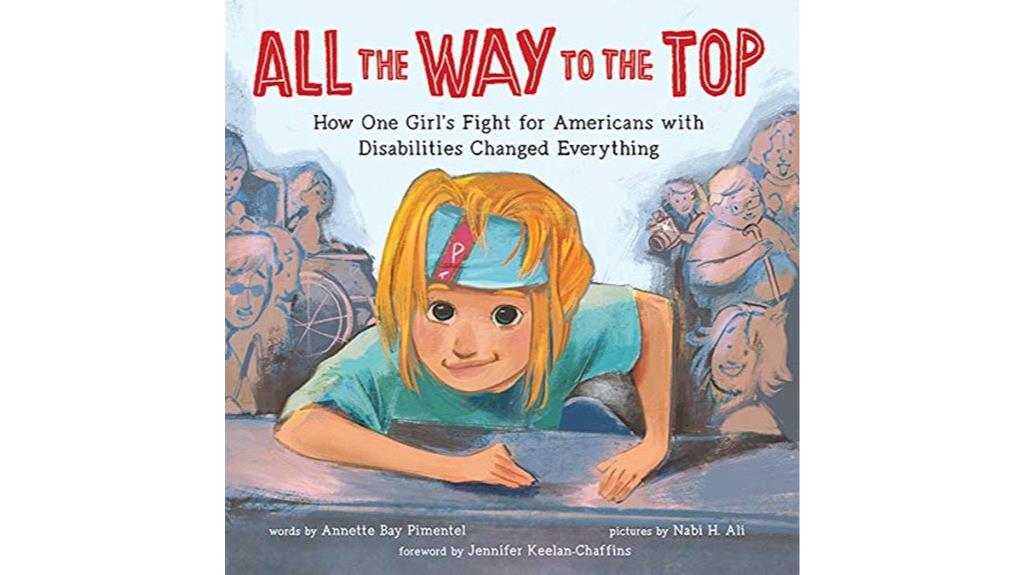
If you’re looking for a powerful story that teaches children about advocacy, diversity, and inclusion, *All the Way to the Top* is an excellent choice. I found it inspiring because it shows how one girl’s determination helped change laws for people with disabilities. The story highlights the importance of focusing on abilities rather than limitations and encourages kids to use their voices for good. I love how it explains the historic Capitol Crawl event and the fight for the Americans with Disabilities Act. The heartfelt illustrations and real-life examples make it a perfect tool for teaching kids empathy, respect, and the power of activism.
Best For: children, educators, and families seeking to promote understanding, empathy, and activism regarding disabilities and inclusion.
Pros:
- Inspiring story that emphasizes the power of advocacy and perseverance.
- Educational content about the disability rights movement and the ADA.
- Engaging illustrations that complement and enhance the narrative.
Cons:
- May require adult guidance to fully discuss complex topics with young children.
- Some readers might find the historical context challenging for very young audiences.
- Limited focus on specific disabilities, which might not address all individual experiences.

Down Syndrome Out Loud: 20+ True Stories of Disability and Determination
As an affiliate, we earn on qualifying purchases.
Down Syndrome Out Loud: 20+ True Stories of Disability and Determination
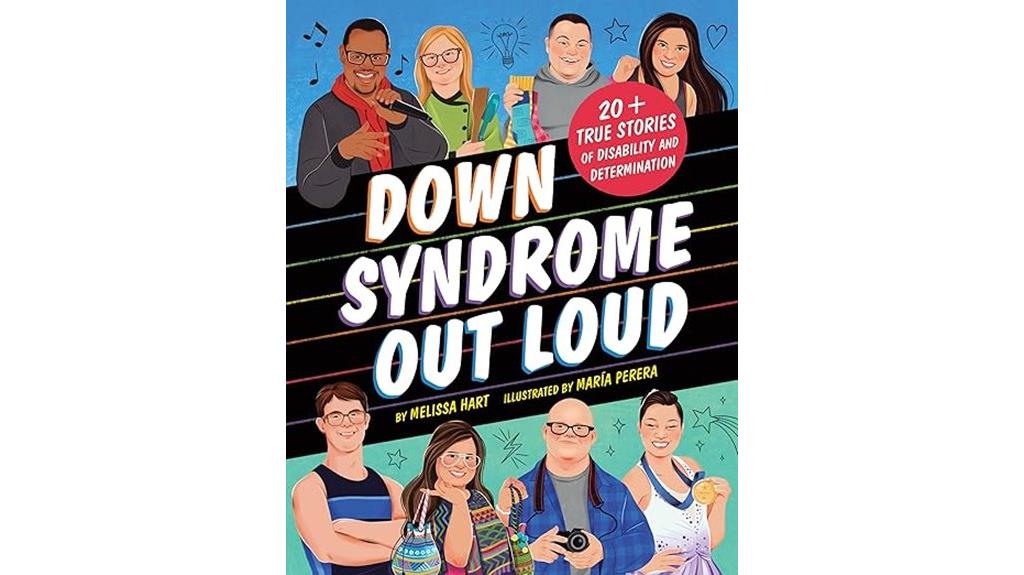
Down Syndrome Out Loud is an excellent choice for young readers aged 9 to 13 who want to learn about resilience and achievement through real stories. This book shares over 20 inspiring biographies of individuals with Down syndrome who’ve achieved success in sports, arts, advocacy, and more. Personal stories of people like Michael, Chris Nikic, and Yulissa Arescurenaga highlight their passion and determination, proving that disabilities don’t define limits. These narratives encourage empathy, challenge stereotypes, and show that with support and opportunity, anyone can overcome challenges. It’s a powerful reminder that everyone has unique talents worth celebrating.
Best For: young readers aged 9 to 13 interested in learning about resilience, achievement, and inclusion through inspiring real-life stories of individuals with Down syndrome.
Pros:
- Features over 20 inspiring biographies that promote empathy and understanding.
- Highlights achievements in diverse fields such as sports, arts, and advocacy, encouraging positive perceptions.
- Designed with age-appropriate language, stories, and illustrations to engage young readers effectively.
Cons:
- Focuses primarily on success stories, which may overlook some ongoing challenges faced by individuals with Down syndrome.
- May require adult guidance for deeper discussions about disability and inclusion.
- Limited to stories of individuals with Down syndrome, so it may not cover broader disability topics for some readers.

Who Do You See When You Look at Me? (Hardcover) – Inspirational Books for Kids, Teaches Lessons of Disability Awareness, Kindness and Acceptance, Perfect Gift for Birthdays, Holiday & More
As an affiliate, we earn on qualifying purchases.
Inspirational Children’s Book: Who Do You See When You Look at Me? (Hardcover)
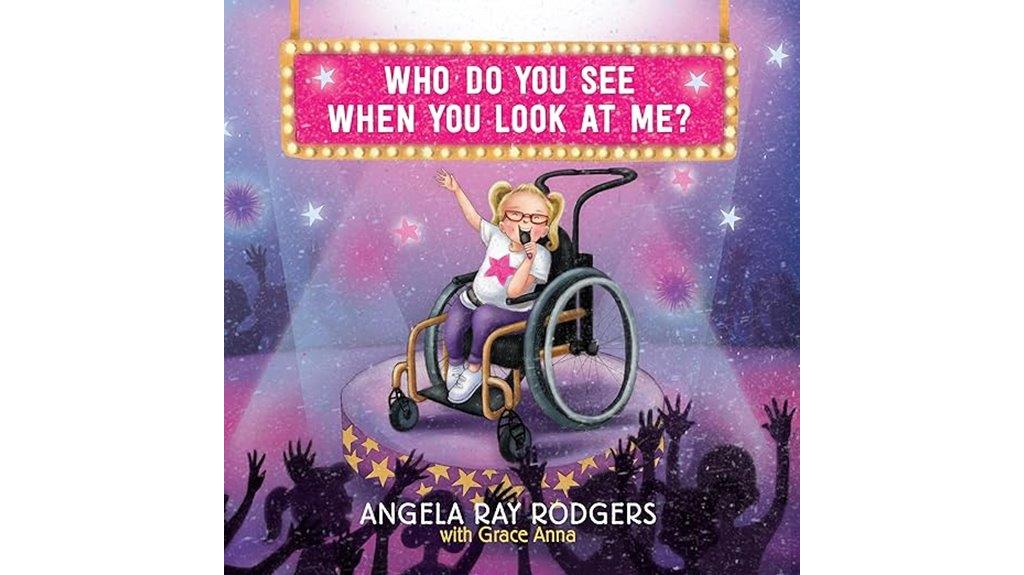
Looking for a children’s book that fosters empathy and inclusivity? “Who Do You See When You Look at Me?” stands out as an inspiring choice for young readers, especially those who benefit from positive representation of disabilities. This hardcover book teaches kindness, acceptance, and disability awareness through colorful illustrations and real-life stories of Grace Anna Rodgers, a girl with dwarfism and a talented singer. It’s perfect for gifting and classroom use, helping children see similarities beyond differences. I love how it promotes understanding and celebrates diversity, making it an essential read for nurturing compassion and inclusion from an early age.
Best For: educators, parents, and caregivers seeking to teach children about diversity, kindness, and acceptance through inspiring stories and positive representation of disabilities.
Pros:
- Beautiful, colorful illustrations that engage young readers.
- Promotes empathy, inclusivity, and understanding of differences from an early age.
- Features real-life stories of Grace Anna Rodgers, inspiring children with disabilities and diverse backgrounds.
Cons:
- As a hardcover, it may be less portable for on-the-go reading.
- Some children might require additional context to fully understand the themes of disability awareness.
- Limited availability in digital formats, which could affect accessibility for some families or classrooms.

Born Different: A Heartwarming Children’s Book about Disability, Confidence, and Kindness
As an affiliate, we earn on qualifying purchases.
Born Different Children’s Book on Disability, Confidence, and Kindness
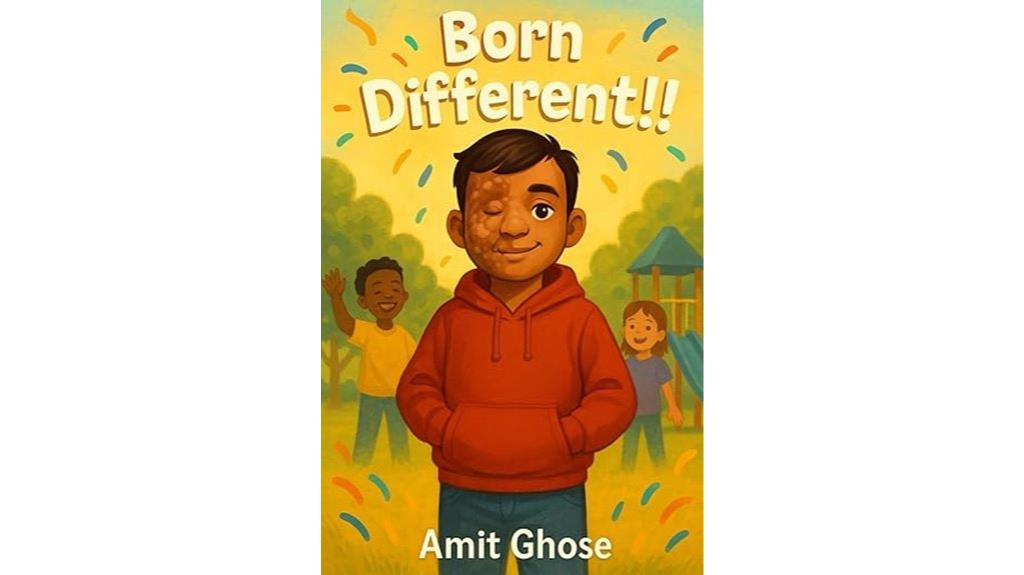
Born Different is a heartfelt children’s book that’s perfect for young readers curious about diversity, disability, and kindness. As someone born with Neurofibromatosis, seeing my rare condition depicted with honesty and warmth touched me deeply. Amit Ghose’s storytelling emphasizes confidence, acceptance, and love for oneself, encouraging kids to embrace what makes them unique. The book teaches that physical differences don’t define worth and promotes empathy and understanding. With beautiful illustrations and simple yet powerful messages, Born Different helps children see diversity as something to celebrate, fostering inclusion and kindness in every reader. It’s a must-have for families, classrooms, and anyone who believes in love and acceptance.
Best For: children, families, educators, and anyone interested in fostering empathy, diversity, and kindness through engaging storytelling.
Pros:
- Heartfelt and honest depiction of living with a disability that promotes understanding and acceptance
- Beautiful illustrations and simple, powerful messaging suitable for young readers
- Encourages meaningful conversations about diversity, confidence, and self-love
Cons:
- May require adult guidance to fully discuss complex themes with very young children
- Limited to a focus on physical differences, which might not cover all aspects of diversity
- Some readers might find the message too subtle and may need additional context to engage fully
Like Me: A Story About Disability and Discovering God’s Image in Every Person
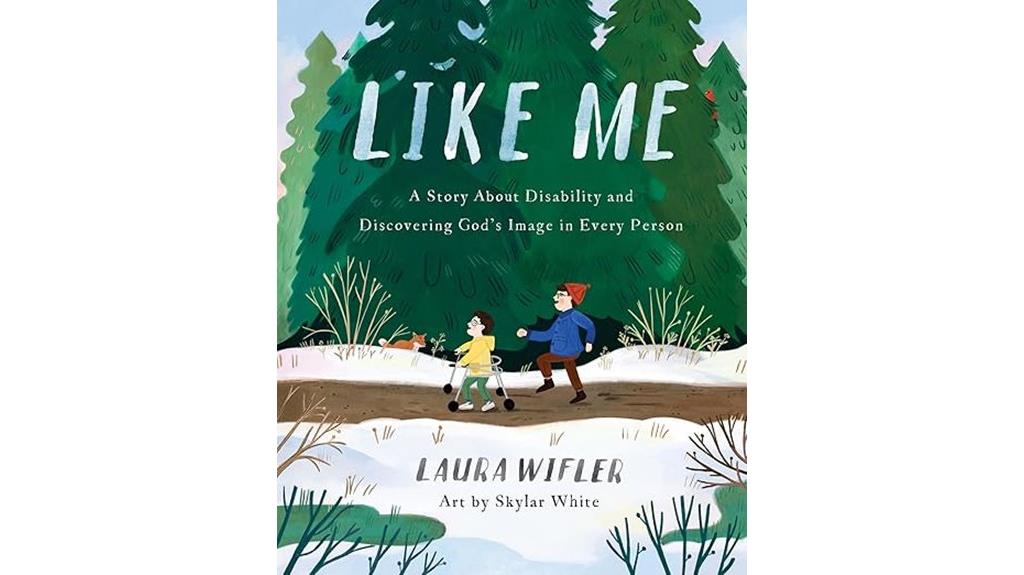
If you’re seeking a gentle, faith-based story to help children understand and appreciate disabilities, *Like Me: A Story About Disability and Discovering God’s Image in Every Person* is an excellent choice. Told from an older brother’s perspective, it highlights daily routines, therapy, and adaptive tools, fostering empathy and understanding. The illustrations celebrate diversity, including ethnicity and disability, making the message accessible and engaging. This book encourages conversations about kindness, inclusion, and God’s love for all people. Many families and educators find it a meaningful resource to teach children that everyone is made in God’s image and deserving of love and respect.
Best For: parents, educators, and families seeking to teach children about inclusion, kindness, and God’s love through a gentle, faith-based story.
Pros:
- Promotes empathy, understanding, and respect for children with disabilities in a natural, accessible way.
- Beautiful, inclusive illustrations that reflect diversity in ethnicity and disability, enhancing engagement.
- Serves as a helpful resource for sparking conversations about therapy, adaptive tools, and God’s creation.
Cons:
- As a children’s picture book, it may require adult guidance to fully explore complex topics with older children.
- Some readers may desire more detailed explanations about specific disabilities or therapies.
- Limited to a faith-based perspective, which may not align with all educational or cultural environments.
Rescue and Jessica: A Life-Changing Friendship Book for Kids
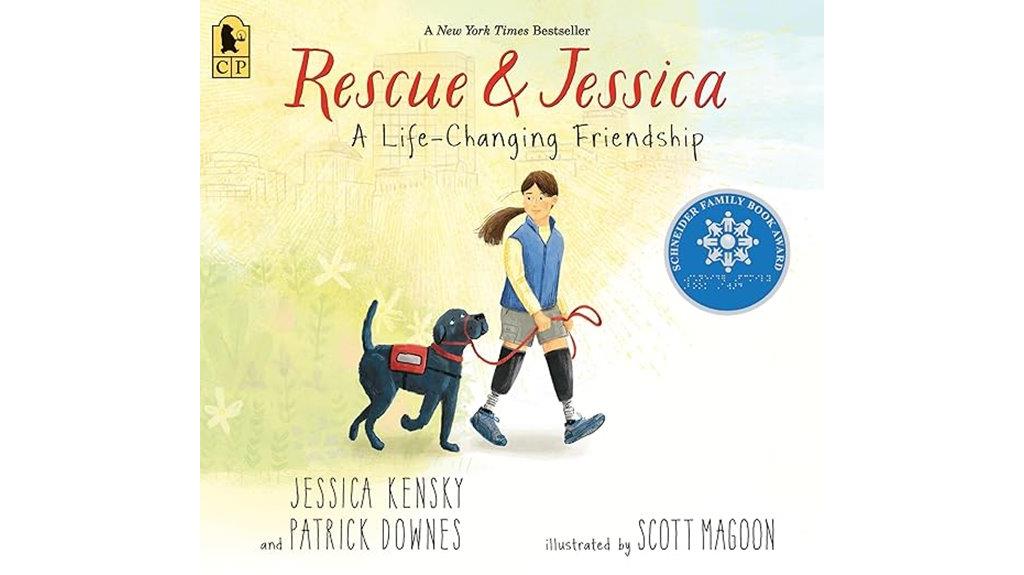
This heartfelt book is an excellent choice for children ages 5 to 8 who are just beginning to explore topics of disabilities, resilience, and friendship. It shares the true story of Rescue, a black Labrador, and Jessica, a girl who lost her legs in the Boston Marathon bombings. Rescue was trained as a service dog to help Jessica regain independence. Their immediate bond shows how love and support can overcome challenges. The story emphasizes hope, perseverance, and the transformative power of friendship. Beautiful illustrations bring their journey to life, making it a powerful tool to foster empathy, understanding, and appreciation for people with disabilities.
Best For: children aged 5 to 8, educators, and families seeking to teach empathy, resilience, and understanding of disabilities through a heartfelt and inspiring story.
Pros:
- Beautifully illustrated, engaging, and emotionally impactful story that fosters empathy and compassion.
- Clearly conveys themes of resilience, friendship, and overcoming challenges, suitable for young children.
- Widely used in educational settings to promote understanding of disabilities and support for individuals with special needs.
Cons:
- Some children may find the emotional moments very touching or tear-inducing (“Rescue challenge”).
- The specific focus on Jessica’s story may require adult guidance to fully contextualize complex topics like disabilities.
- Limited appeal for children outside the recommended age range or those not interested in stories about animals or personal resilience.
Rourke Educational Media Katie Can: Children’s Book About Down Syndrome and Abilities
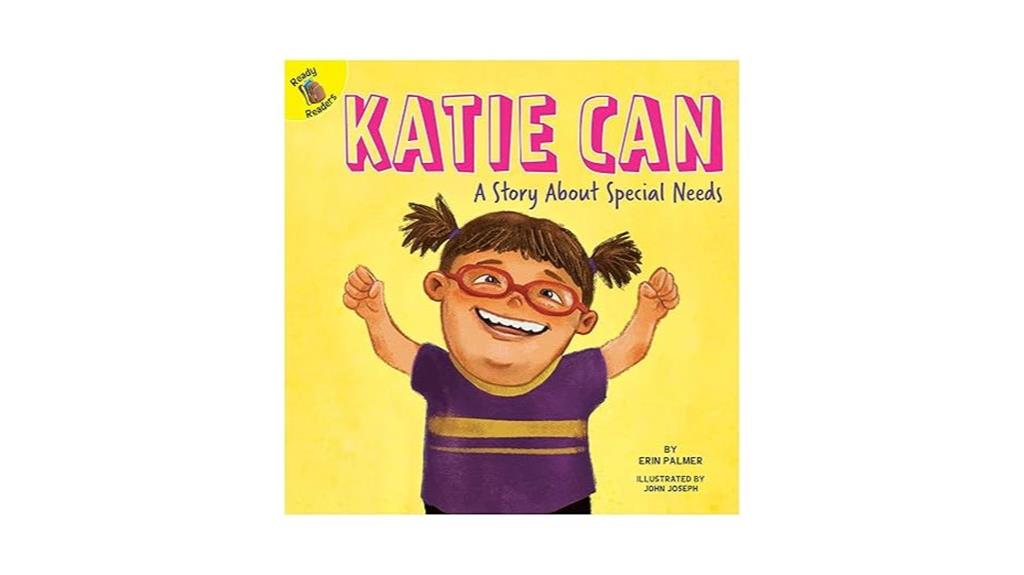
Katie Can by Rourke Educational Media is an excellent choice for educators and parents seeking a simple, engaging book to introduce young children to Down syndrome and the value of abilities. This colorful story highlights a girl named Katie, emphasizing her perseverance, happiness, and everyday challenges. With minimal text and easy language, it’s perfect for preschool and early elementary readers. The book promotes understanding, inclusion, and empathy, making it a valuable classroom and family resource. Many praise its positive message and engaging illustrations, helping children recognize and celebrate differences while fostering a supportive, accepting environment.
Best For: Educators, parents, and caregivers seeking an engaging, simple book to teach young children about Down syndrome, inclusion, and celebrating differences.
Pros:
- Easy-to-understand language suitable for preschool and early elementary readers
- Bright, colorful illustrations that capture children’s attention and reinforce positive messages
- Promotes empathy, understanding, and acceptance of children with diverse abilities
Cons:
- The brevity of the text may limit in-depth understanding of Down syndrome and its complexities
- Some readers may find the illustrations less appealing or engaging than desired
- Primarily geared toward younger children, so additional resources may be needed for older or more advanced learners
When Charley Met Emma (Charley and Emma Stories, 1)
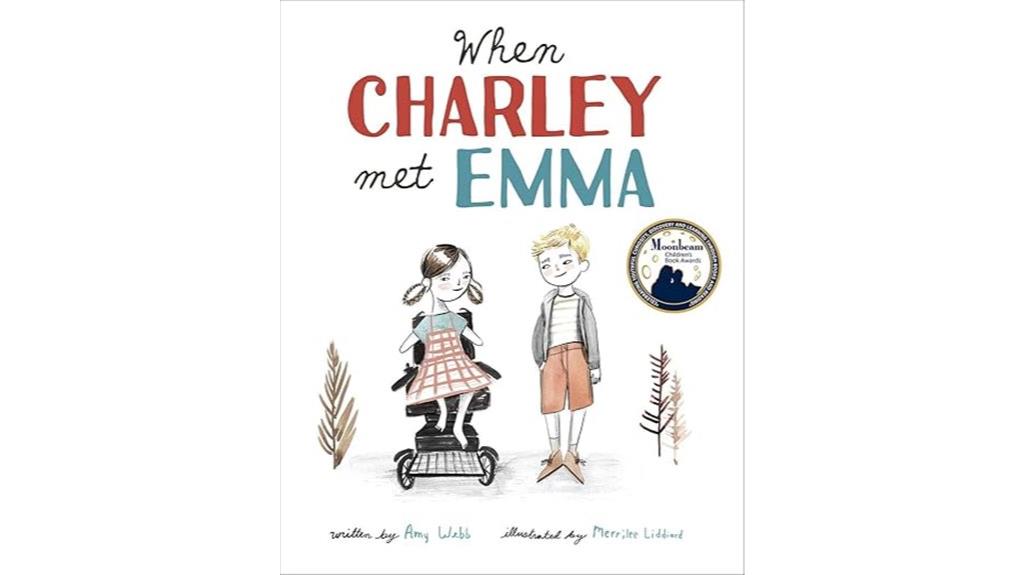
When introducing young children to the values of kindness and inclusion, “When Charley Met Emma” stands out as a perfect choice. This beautifully illustrated book promotes empathy and celebrates differences, featuring Charley’s friendship with Emma, a girl who uses a wheelchair. The story encourages children to see beyond physical differences, recognizing the beauty in diversity. Its gentle writing and vibrant illustrations make complex themes accessible and engaging. Many kids relate to Emma, which fosters self-acceptance and understanding. Overall, it’s an inspiring tool for teaching respect, kindness, and inclusion, making it a valuable addition to any home or classroom.
Best For: educators, parents, and caregivers seeking to teach young children about kindness, inclusion, and diversity through a relatable and beautifully illustrated story.
Pros:
- Promotes empathy, kindness, and acceptance in young children
- Vibrant illustrations effectively convey emotions and normalize differences
- Encourages meaningful conversations about diversity and inclusion
Cons:
- Minor issues such as damage during shipping may affect presentation
- Some children may need adult guidance to fully understand complex themes
- Limited availability in certain regions could restrict access
This is Me (Kids With Special Needs And Disabilities)

If you’re looking for a book that genuinely represents children with various disabilities, “This is Me (Kids With Special Needs And Disabilities)” might seem like a good choice. However, I was disappointed to find it lacking in useful information about specific conditions like cerebral palsy. The content doesn’t reflect the real experiences of children with disabilities, which can make it feel unrelatable. Additionally, it includes a page on eating disorders with inaccurate and inappropriate information, raising concerns about age-appropriate content. Overall, I believe kids need honest, inclusive resources that accurately portray their lives, and this book falls short of that goal.
Best For: children with diverse disabilities and their families seeking an inclusive and age-appropriate resource.
Pros:
- Aims to promote understanding and awareness of children with special needs
- Bright and engaging illustrations suitable for young readers
- Intended to foster empathy and acceptance among children
Cons:
- Lacks detailed or accurate information about specific conditions like cerebral palsy
- Contains inappropriate content about eating disorders that is unsuitable for children
- Overall content is not sufficiently inclusive or reflective of real experiences of children with disabilities
Different–A Great Thing to Be!
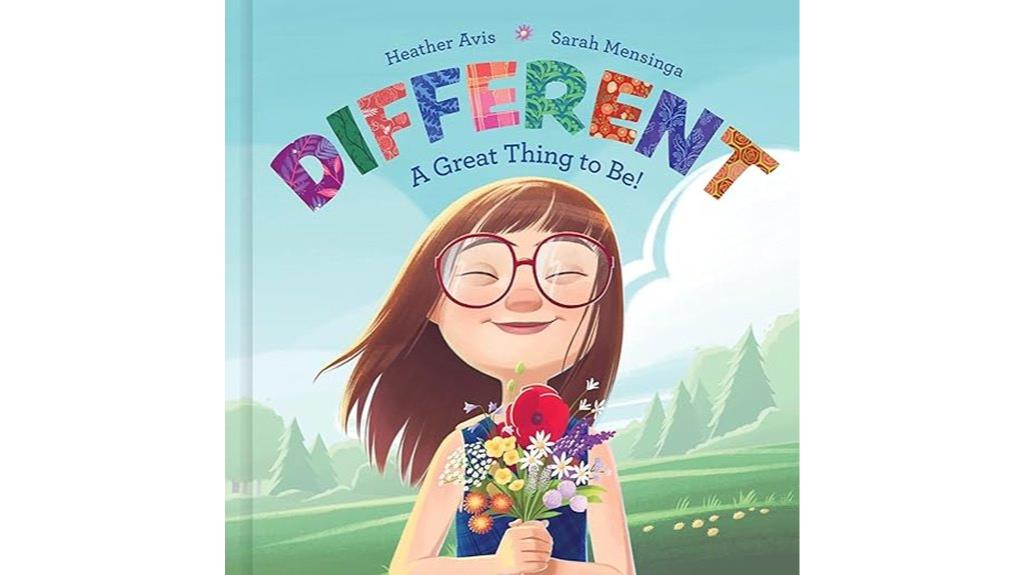
Looking for a book that celebrates individuality and promotes acceptance? “Different–A Great Thing to Be!” is an ideal choice for children, educators, and families enthusiastic to teach kindness and inclusion. I love how this story challenges the idea that sameness is better, instead highlighting that being different is something to be proud of. Its colorful illustrations and lyrical rhymes make it engaging and easy to understand. The book encourages kids to embrace what makes them unique and see differences as sources of light and joy. I’ve seen it spark meaningful conversations about diversity, helping children feel confident and loved for who they are.
Best For: educators, parents, and caregivers seeking to promote inclusion, diversity, and acceptance among children through an engaging and beautifully illustrated story.
Pros:
- Inspires positive attitudes toward differences and individuality.
- Features lyrical rhymes and vibrant illustrations that captivate children.
- Serves as an effective tool for discussions about diversity, disabilities, and acceptance.
Cons:
- May require additional context or discussion for very young children unfamiliar with diversity topics.
- Some readers may find the poetic style less straightforward for early readers.
- Limited availability in certain regions or formats, depending on distribution.
Just Ask!: Be Different, Be Brave, Be You
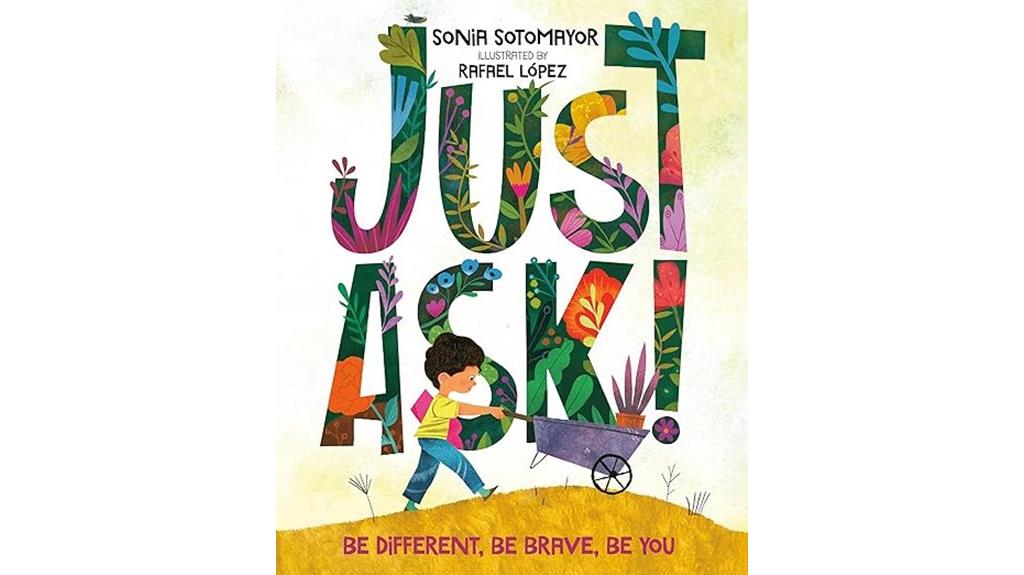
Just Ask!: Be Different, Be Brave, Be You” is an excellent choice for teachers and families seeking to foster empathy and understanding among young children. I love how it explains medical and cognitive differences in simple, relatable terms, covering autism, ADHD, and more. The vibrant illustrations capture kids’ attention and make complex topics accessible. I’ve seen this book help children embrace their peers’ differences, reducing stigma and encouraging kindness. It’s a powerful tool for classroom discussions and family conversations about inclusion. By sharing stories of real children, it inspires kids to be brave, respectful, and proud of what makes them unique.
Best For: educators, families, and caregivers seeking to promote empathy, inclusion, and understanding of diverse cognitive and medical differences among young children.
Pros:
- Explains complex medical and cognitive differences in simple, relatable language suitable for children.
- Vibrant illustrations and detailed images effectively engage young audiences and enhance understanding.
- Promotes empathy, kindness, and acceptance, positively influencing children’s attitudes toward peers with differences.
Cons:
- Some sections may be too wordy for very young children, requiring summarization or guided discussion.
- Additional context or explanations might be needed to cover the full diversity within disability groups.
- As a picture book, it may need to be supplemented with other resources for more in-depth understanding of certain conditions.
Disability Visibility (Young Adults) Book with 17 Personal Stories

Disability Visibility (Young Adults) offers a powerful collection of 17 personal stories that are perfect for teens seeking authentic insights into living with disabilities. This adapted book condenses Alice Wong’s original essays, making them accessible and relatable for younger readers. The stories highlight resilience, diversity, and real-life experiences, helping teens understand the challenges and strengths of individuals with disabilities. Many readers find these stories eye-opening and inspiring, fostering empathy and awareness. It’s an excellent resource for education and personal growth, encouraging young people to see beyond stereotypes and recognize the importance of authentic voices in the disability community.
Best For: Teen readers and educators seeking authentic, relatable stories about living with disabilities to foster empathy and understanding.
Pros:
- Provides diverse, authentic personal stories that resonate with young adults
- Ideal for educational settings to promote awareness and social justice
- Accessible and condensed format tailored for teen readers
Cons:
- Some stories may feel abrupt or underdeveloped for certain readers
- Lacks the depth of the original, more comprehensive edition
- May not cover every type of disability or experience in extensive detail
Factors to Consider When Choosing Inspiring Disability Stories for Children
When selecting inspiring disability stories for children, I consider whether the content is age-appropriate and easy to understand. I also look for accurate representation and positive messages that foster empathy and confidence. Additionally, engaging illustrations and cultural relevance help make the stories meaningful and relatable for young readers.
Age-Appropriate Content
Choosing stories that match a child’s age and reading level is essential to guarantee they can understand and connect with the content. When selecting books, I look for those that present disabilities positively and accurately, avoiding overly complex or sensationalized material for young readers. It’s important to choose stories that focus on themes like empowerment, resilience, and inclusion, tailored to the child’s developmental stage. Visuals play a vital role, so I prioritize books with colorful, engaging illustrations that help children grasp concepts of diversity and acceptance. Additionally, I verify the content is appropriate, steering clear of sensitive topics such as mental health issues or medical conditions that might be unsuitable for their age and maturity. This thoughtful approach makes stories more meaningful and impactful for young readers.
Representation Accuracy
How can we guarantee that the disability stories we share with children are both accurate and respectful? First, it’s crucial to depict diverse conditions realistically, avoiding stereotypes or inaccuracies. Authentic details about daily routines, challenges, and strengths help foster genuine understanding and empathy. Inclusive illustrations should reflect the diversity of abilities, ethnicities, and experiences, making stories more relatable. Additionally, verifying that narratives align with current medical and social knowledge prevents misinformation and promotes respectful awareness. Well-researched stories can empower children by portraying disabilities honestly, showing both struggles and strengths. By prioritizing accuracy and integrity, we ensure these stories inspire acceptance and understanding, helping children develop a respectful and compassionate perspective toward people with disabilities.
Positive Messaging Focus
Selecting inspiring disability stories for children requires focusing on positive messages that highlight strengths, talents, and achievements. I look for stories that showcase individuals overcoming obstacles with resilience and determination, reinforcing a growth mindset. It’s crucial to choose narratives that promote inclusion, acceptance, and kindness, inspiring respectful attitudes in young readers. I prioritize books that emphasize abilities and potential rather than limitations, helping children see value in diversity. Stories should celebrate diverse backgrounds and experiences, encouraging children to view differences as normal and valuable. By selecting stories with empowering messages, we foster hope, confidence, and a sense of possibility. Ultimately, the goal is to inspire children to embrace their own strengths and appreciate others’ unique qualities.
Illustration Engagement
Have you ever wondered how illustrations can deepen a child’s connection to a story about disability? Engaging illustrations should be colorful, expressive, and age-appropriate to grab kids’ attention and help them understand the story better. Visuals that show diverse characters and disabilities promote inclusion and allow children to see themselves reflected positively. Well-crafted illustrations can make complex ideas, like adaptive equipment or therapy routines, more accessible for young readers. Artistic quality and consistency in style also strengthen emotional bonds and reinforce messages of acceptance and empathy. When illustrations highlight key moments and support the narrative, they deepen understanding and spark curiosity about disabilities and resilience. Ultimately, thoughtful visuals are essential for inspiring and empowering children through disability stories.
Cultural and Social Relevance
When choosing disability stories for children, it’s important to take into account their cultural and social relevance. Selecting stories that reflect diverse backgrounds helps kids see themselves and others, fostering inclusivity and understanding. Stories that explore social issues like accessibility and discrimination encourage empathy and awareness of societal challenges faced by disabled individuals. Featuring characters from different ethnicities, religions, and socioeconomic statuses broadens children’s perspectives on how disability intersects with cultural identity. Ensuring these stories are relevant to children’s lived experiences creates stronger emotional connections and makes the characters’ journeys more relatable. Additionally, choosing culturally sensitive and accurate narratives helps prevent stereotypes and promotes respectful, informed conversations about diversity and disability. This approach empowers children to appreciate differences and see value in every person’s story.
Frequently Asked Questions
How Can These Stories Foster Empathy in Children?
These stories foster empathy by helping children see the world through someone else’s eyes, understanding their struggles and triumphs. I believe they encourage kids to develop compassion, patience, and kindness, as they relate to characters overcoming challenges. When children connect with these stories, they learn to appreciate diversity and realize that everyone deserves respect and support, which ultimately nurtures a more empathetic and inclusive mindset.
What Age Group Are These Books Most Suitable For?
Did you know that most children’s books are read by ages 4 to 8? I believe these inspiring disability stories are perfect for that age group because they teach empathy and acceptance early on. I recommend sharing these books with children in early elementary school, as they’re at a vital stage for understanding diversity. These stories help shape compassionate attitudes and empower kids to embrace differences confidently.
Are the Stories Culturally Diverse and Inclusive?
Yes, the stories are culturally diverse and inclusive. I’ve carefully chosen books that feature characters from various backgrounds, abilities, and cultures to help children see the world’s richness. These stories celebrate differences and promote understanding, making every child feel seen and valued. I believe that embracing diversity early on nurtures empathy and kindness, so I guarantee each story reflects a wide range of experiences for a more inclusive reading experience.
How Do These Books Address Common Misconceptions About Disabilities?
I believe these books shatter misconceptions like broken glass, revealing the true strength within. They show kids with disabilities excelling in sports, arts, and friendships, emphasizing abilities over limitations. I’ve seen how sharing authentic stories helps children understand that disabilities don’t define someone’s potential. Through vivid imagery, these stories paint a picture of resilience, inspiring young minds to embrace differences and see everyone’s unique, valuable light.
Can These Stories Be Used in Classroom Disability Education Programs?
Absolutely, I believe these stories are perfect for classroom disability education programs. I’ve seen how they foster empathy, understanding, and inclusion among students. By sharing these inspiring tales, I can help children see beyond disabilities and recognize individual strengths. Incorporating these stories into lessons encourages open conversations and helps break down misconceptions, creating a more accepting environment where every child feels valued and empowered to be themselves.
Conclusion
Did you know that nearly 1 in 7 children worldwide has a disability? Sharing inspiring stories helps kids understand, embrace, and celebrate differences. These books empower children to see beyond challenges and recognize the incredible strength within everyone. By introducing them to diverse experiences early on, we foster kindness and confidence that last a lifetime. Let’s continue to inspire and uplift young minds—because every child deserves to feel seen, valued, and motivated to reach their dreams.