
TL;DR

Get art and craft supplies delivered free with Prime
- Fast, free delivery on millions of items
- Prime Video, Amazon Music and more included
- Member-only deals all year
Handcrafted art supplies are small-batch, artisanal materials made by independent artisans. They offer unique textures, colors, and character, but require careful evaluation for quality, safety, and permanence.
Imagine holding a paintbrush crafted by an artist who ground every pigment by hand or a sketchbook made from recycled fibers. These are not mass-produced tools—they’re handcrafted art supplies. They carry stories, tradition, and a human touch that mass-market products simply can’t match.
In this article, you’ll discover what makes handcrafted art supplies special, how to evaluate their quality, and why they’re worth considering for your creative projects. Whether you’re a professional or a hobbyist, understanding these tiny but powerful details can transform your art-making experience.
Authentic handcrafted supplies show visible signs of labor—tiny imperfections tell their story.
Always verify ingredient transparency, safety info, and sourcing details before purchasing.
Compare handcrafted vs. mass-produced options: character and tradition vs. consistency and affordability.
Proper storage and maintenance extend the life of delicate, handmade materials.
Support artisans by choosing products with clear ethical and sustainable practices, fostering responsible art-making.
Why Handmade Art Supplies Bring Unique Texture and Character to Your Art
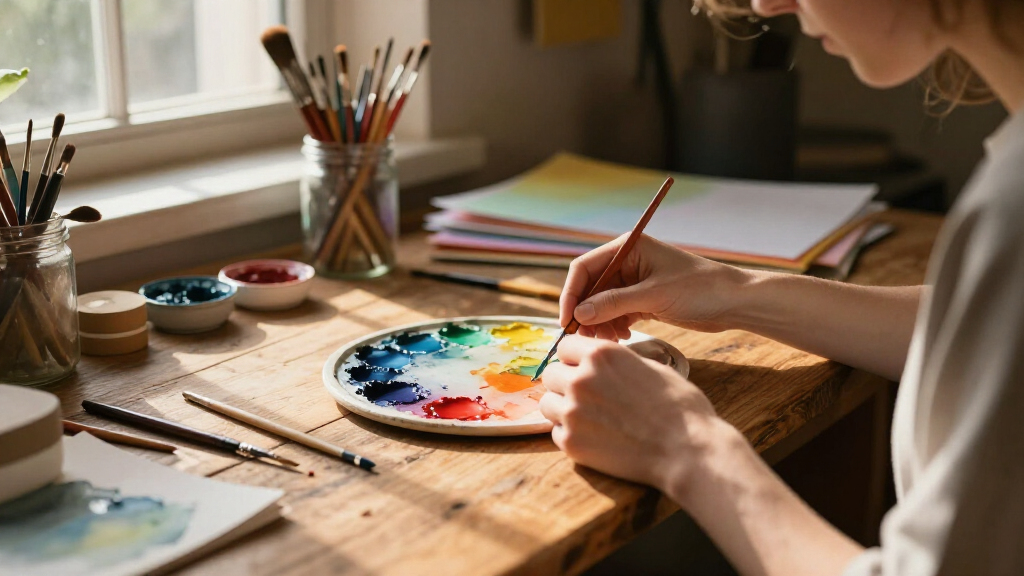
Handmade supplies aren’t just beautiful—they often have a personality all their own. Think of a handmade watercolor that exhibits subtle granulation or a natural ink with uneven shading. These imperfections aren’t flaws—they’re part of the charm.
For example, a small batch of natural ochre might vary slightly in hue from one tube to another, giving your work depth and richness that a uniform, mass-produced color can’t match. Artists seeking distinctive textures, like the roughness of handmade paper or the sticky translucency of artisan glue, find these qualities inspiring.
Plus, the tactile experience of working with tools like hand-carved brushes or textured papers can boost your connection to the process—making art feel more alive and personal.
Moreover, this character often influences the emotional impact of your work. Variations and imperfections can evoke a sense of authenticity, history, or spontaneity that resonates with viewers. The tradeoff, however, is that these supplies may have less predictability, requiring patience and adaptation, but this very variability can push your creative boundaries and result in more expressive outcomes.
As an affiliate, we earn on qualifying purchases.
How to Spot Truly Handcrafted Art Supplies (And Avoid Imposters)
What makes an art supply truly handcrafted? Look for evidence of labor-intensive processes—like visible brush knots, hand-ground pigments, or natural fiber papers with deckle edges. These details show real craftsmanship and indicate that the maker invested time and skill into each piece, which often translates into higher quality and uniqueness.
Understanding these details is crucial because many mass-produced items are falsely labeled as handmade to capitalize on their appeal. Recognizing authentic craftsmanship helps you invest in supplies that truly reflect tradition and quality, rather than superficial branding.
Here’s a quick checklist to identify authentic handcrafted supplies:
- Usually made in small batches or by individual artisans, reflecting personalized craftsmanship rather than mass production.
- Materials are visibly natural or textured (e.g., uneven pigment, deckle edges, irregular fibers), which are signs of traditional methods rather than machine-made perfection.
- Labeling includes detailed ingredient lists, sourcing info, or artist stories, demonstrating transparency and pride in their process.
- Packaging often reuses natural materials or is minimal, aligning with sustainable and artisanal values.
- The price is higher than mass-produced equivalents—this premium reflects the labor, skill, and quality involved.
Beware of products labeled “handmade” that look overly uniform, perfectly smooth, or come in glossy, mass-market packaging. Authenticity is revealed through tiny imperfections, variations, and the story behind the product, which add depth and character to your art.
Understanding these cues helps you avoid imitation or low-quality imitations that try to capitalize on the trend without delivering true craftsmanship. Investing in genuine handcrafted supplies ensures you get tools with integrity, character, and potential to elevate your work.
As an affiliate, we earn on qualifying purchases.
Defining the Value: Why Craftsmanship Matters
Understanding what makes handcrafted supplies valuable isn’t just about aesthetics — it’s about the craftsmanship, the story, and the sustainability behind each product. When you choose handcrafted, you support small-scale artisans who often employ traditional techniques passed down through generations. This sustains cultural heritage and promotes more sustainable practices compared to mass production.
However, it’s important to recognize the tradeoffs. Handcrafted supplies may come at a higher price point and require more careful handling and storage. They might also have less consistency batch-to-batch, which can be a challenge for artists seeking uniform results. But these tradeoffs are part of the broader value: they push artists to adapt, experiment, and embrace imperfections, often resulting in richer, more personal artwork.
Furthermore, the uniqueness of each handmade item means your work can have a distinctive character that mass-produced supplies simply can’t replicate. This individuality fosters a deeper connection to your art and the maker behind it, enriching your creative process.
As an affiliate, we earn on qualifying purchases.
Frequently Asked Questions
Are handcrafted art supplies worth the extra cost?
Yes, if you value unique textures, historical techniques, and supporting small artisans. They often deliver superior quality and character that can elevate your artwork beyond what standard supplies offer.
How can I tell if a handmade paint or ink is safe to use?
Look for detailed ingredient lists, safety certifications, and lightfastness or permanence testing. Ask the maker about their safety protocols, especially for pigments containing hazardous substances.
Can I mix handmade supplies with commercial ones?
Generally, yes. But check compatibility—natural binders may not blend well with synthetic mediums. Testing small amounts first can prevent surprises in your artwork.
What are the best ways to support small makers of art supplies?
Buy directly from artisans, participate in local markets, and follow their stories online. Prioritize products with transparent sourcing and ethical practices, and share their work to help them grow.
Are natural pigments always better than synthetic ones?
Not necessarily. Natural pigments can fade faster or contain hazardous elements if not properly sourced. The key is verifying safety, permanence, and ethical sourcing—regardless of origin.
As an affiliate, we earn on qualifying purchases.
Conclusion
Your art is a reflection of your story. Choosing handcrafted supplies connects you to centuries of tradition, craftsmanship, and regional beauty. When you select these tiny treasures, you’re not just buying art materials—you’re supporting a living craft that elevates your work and honors the maker.
Next time you explore new tools or pigments, remember: quality, transparency, and character matter. Your art deserves the human touch—embrace the beauty of handcrafted supplies and see your creativity flourish in ways mass-produced goods simply can’t match.
Halloween Picks
halloween
As an affiliate, we earn on qualifying purchases.