

If you want to elevate your leadership skills, I recommend exploring top guides like “Leadership: Six Studies in World Strategy,” “Lead Like Jesus,” and “The Wisdom of Walt,” which highlight core virtues and practical insights from influential leaders. Other excellent choices include workbooks such as “The 21 Irrefutable Laws of Leadership,” and biblical perspectives like “The Book on Leadership.” These resources combine inspiring stories and strategic principles that can transform your approach—keep going to discover more about these powerful guides.
Key Takeaways
- They offer in-depth analysis of leadership styles from influential historical and biblical figures.
- Provide practical lessons through engaging stories, metaphors, and real-life examples.
- Emphasize core virtues like integrity, resilience, humility, and strategic thinking.
- Incorporate biblical principles and character development rooted in Jesus’ and Paul’s leadership.
- Cater to diverse learning needs, from students to seasoned leaders seeking personal and professional growth.
Leadership: Six Studies in World Strategy
If you’re looking to understand what makes a leader effective during times of crisis, “Leadership: Six Studies in World Strategy” is the ideal guide. This book examines influential post-WWII leaders through detailed case studies, revealing traits like conviction, humility, and strategic thinking. I learned how figures like Adenauer, de Gaulle, Nixon, Sadat, Lee Kuan Yew, and Thatcher faced unique challenges but shared core values such as discipline and patriotism. Kissinger emphasizes that leadership involves moral clarity, resilience, and the ability to unify divided societies. It’s a compelling resource that shows effective leadership often provokes controversy but is essential for societal progress.
Best For: individuals seeking to understand the qualities and strategies that define effective leadership during crises and pivotal moments in history.
Pros:
- Offers detailed case studies of influential post-WWII leaders, providing insightful lessons on leadership qualities.
- Emphasizes core values like conviction, humility, discipline, and patriotism, making leadership principles accessible and applicable.
- Highlights the importance of strategic thinking, moral clarity, and unifying societies, which are relevant to contemporary leadership challenges.
Cons:
- The analysis is subjective, influenced by Kissinger’s personal diplomatic experiences, which may introduce bias.
- Focuses primarily on notable historical figures, potentially overlooking diverse leadership styles in different contexts.
- May oversimplify complex leadership dynamics by emphasizing core virtues without fully addressing structural or systemic factors.
Lead Like Jesus Study Guide
The “Lead Like Jesus” Study Guide is an excellent resource for leaders seeking to deepen their understanding of biblical principles rooted in Jesus’ example. It emphasizes servant leadership and relational integrity, encouraging us to observe Jesus’ actions and teachings in the Gospels. I find it practical for applying timeless lessons at work and home, reinforcing core values like humility and responsibility. Many organizations use it for training, and I appreciate how simple yet profound these foundational truths are. Studying Jesus’ life through this guide helps me grow in authentic leadership and strengthens my relationship with God, making it a valuable tool for personal and professional development.
Best For: leaders, pastors, and organizational members seeking to deepen their understanding of biblical leadership principles through practical, scripture-based insights.
Pros:
- Emphasizes timeless, biblically grounded leadership principles that are easy to understand and apply.
- Widely used in corporate and faith-based settings for personal and professional growth.
- Encourages a genuine, relational approach to leadership rooted in humility and service.
Cons:
- Some may find the core principles too basic or elementary for advanced leadership development.
- The focus on studying the Gospels may be overlooked or underemphasized in some organizations.
- The simplicity of the lessons might lead to perceptions of them being less relevant to complex modern organizational challenges.
The Wisdom of Walt: Leadership Lessons from the Happiest Place on Earth
Are you seeking practical leadership lessons grounded in inspiring stories? “Leadership Biography Study Guides” offers an ideal resource for students, professionals, and entrepreneurs enthusiastic to learn from Walt Disney’s remarkable journey. In “The Wisdom of Walt,” Jeffrey Barnes highlights Disney’s core principle: “Make your dream come true,” emphasizing persistence, focus, and innovation. The book shares behind-the-scenes stories, metaphors like Disneyland’s berm for focus, and lessons in resilience and vision. It inspires readers to rekindle their dreams, learn from Disney’s trials, and apply these timeless principles to personal and professional growth, making it a valuable guide for aspiring leaders.
Best For: aspiring leaders, students, professionals, and entrepreneurs seeking practical, inspiring lessons from Disney’s legacy to enhance personal and professional growth.
Pros:
- Offers valuable leadership insights through engaging stories and metaphors grounded in Disneyland’s design principles.
- Combines historical facts, behind-the-scenes anecdotes, and personal anecdotes for a well-rounded perspective.
- Encourages perseverance, focus, and innovation, making it applicable across various personal and professional contexts.
Cons:
- Lacks visual aids or illustrations that could enhance engagement and comprehension.
- Focuses primarily on Disneyland California, with limited insights from other Disney parks worldwide.
- Could benefit from deeper exploration of Walt Disney’s critical moments and conflicts to highlight resilience and negotiation skills.
The 21 Irrefutable Laws of Leadership Workbook (25th Anniversary Edition)

Looking to deepen your leadership skills with practical exercises and inspiring insights? The 21 Irrefutable Laws of Leadership Workbook (25th Anniversary Edition) delivers exactly that. It offers actionable guidance, teaching what to do, how to do it, and why it matters. Many readers find it essential for personal growth and leadership development, praising its value and impact. Whether you’re in a leadership role or aspiring to one, this workbook helps you implement core principles effectively. Fans of John Maxwell love its practicality, making it a highly recommended resource for sharpening your skills and adding real value to your team or organization.
Best For: those seeking practical leadership development tools to enhance their skills, whether they are current leaders or aspiring to leadership roles.
Pros:
- Provides actionable exercises and insights that help implement leadership principles effectively.
- Highly valued by readers for its practicality, inspiring content, and positive impact on personal and professional growth.
- Suitable for a wide range of roles and organizations, making it a versatile resource for leadership improvement.
Cons:
- Some users have experienced issues with incomplete packages, requiring separate purchases of the main book.
- The workbook alone may not be sufficient without the main book for comprehensive understanding.
- As a specialized resource, it may be less engaging for those not specifically interested in leadership development.
The Book on Leadership, Apostle Paul’s Ministry Guide
If you want a leadership guide grounded firmly in biblical principles, “The Book on Leadership” by John MacArthur offers invaluable insights from Apostle Paul’s life and ministry. MacArthur emphasizes that true leadership is rooted in Scripture, contrasting with secular models. Using Paul’s experiences—especially his time in prison and at Corinth—the book highlights 26 traits essential for biblical leadership, like integrity, resilience, and Christlikeness. It draws from Paul’s letters and Acts, illustrating how spiritual warfare, deception, and perseverance shape effective leaders. This practical guide helps believers develop character-based leadership qualities modeled after Paul, making it especially relevant for pastors, mentors, and Christian leaders.
Best For: Christian leaders, pastors, mentors, and believers seeking a biblically grounded leadership manual rooted in Apostle Paul’s life and biblical principles.
Pros:
- Provides a strong biblical foundation with scriptural insights into leadership qualities.
- Highlights 26 character traits essential for Christlike leadership, applicable across various roles.
- Utilizes Paul’s life and ministry as practical examples to inspire and guide leaders.
Cons:
- Primarily focuses on biblical principles, which may be less applicable to those seeking secular or modern leadership models.
- Emphasizes Paul’s experiences, possibly limiting its relevance for leaders in non-Christian contexts.
- Some readers may find the detailed scriptural exegesis dense or overly theological for practical leadership application.
Leadership
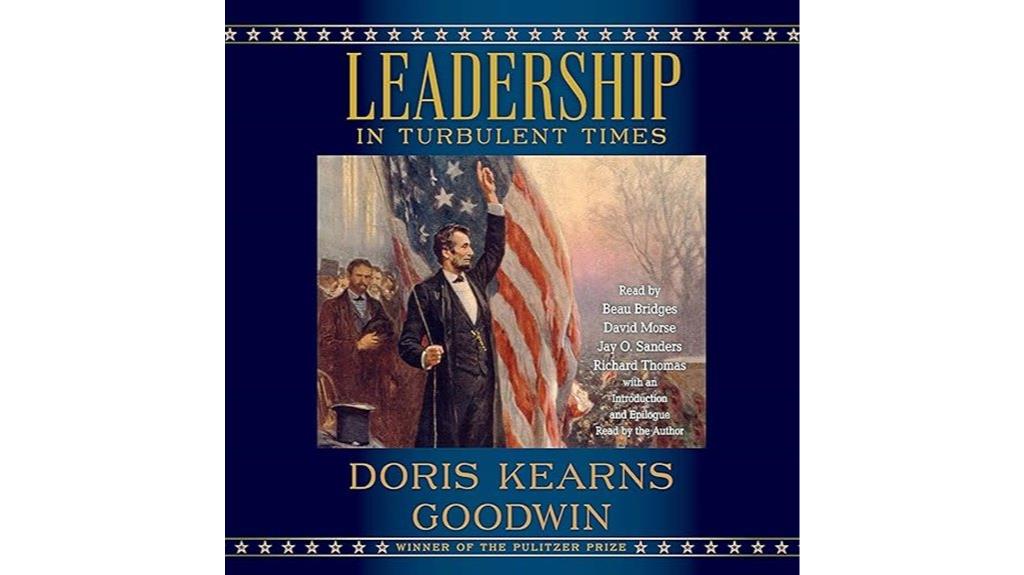
Leadership Biography Study Guides are ideal for students, educators, and aspiring leaders enthusiastic to deepen their understanding of effective leadership through real historical examples. I’ve found that Doris Kearns Goodwin’s works, like *Leadership in Turbulent Times*, offer invaluable insights into how U.S. presidents navigated crises, inspired change, and shaped history. Her focus on personality, circumstances, and moral purpose shows that leadership isn’t one-size-fits-all but context-dependent. By studying leaders like Lincoln, Roosevelt, and Johnson, we learn that authentic influence involves self-awareness, resilience, and adapting to challenges. These guides help us see leadership as a dynamic, context-driven art rooted in history’s lessons.
Best For: students, educators, and aspiring leaders seeking to understand effective leadership through historical examples and practical lessons.
Pros:
- Provides in-depth analysis of U.S. presidents’ leadership styles and contexts, enriching understanding of leadership dynamics.
- Emphasizes the importance of self-awareness, moral purpose, and adaptability in leadership development.
- Combines engaging storytelling with thorough research, making complex leadership concepts accessible and memorable.
Cons:
- Focuses primarily on historical figures, which may require additional context for contemporary application.
- Some readers might find the detailed biographical and historical analysis time-consuming.
- The emphasis on American presidents might limit relevance for those interested in international or non-political leadership examples.
The Wisdom of the Bullfrog: Leadership Made Simple (But Not Easy)

The Wisdom of the Bullfrog: Leadership Made Simple (But Not Easy) stands out as an ideal guide for aspiring and current leaders who appreciate straightforward, actionable lessons rooted in real-life experience. Drawing from Admiral McRaven’s four decades of Navy SEAL service, the book distills leadership into 18 clear rules backed by compelling stories, humor, and practical insights. It emphasizes resilience, humility, and perseverance, showing that success often involves overcoming obstacles and learning from failure. The book’s simplicity makes complex leadership concepts accessible, encouraging reflection and growth. If you’re looking for a no-nonsense, inspiring resource to sharpen your leadership skills, this is a must-read.
Best For: aspiring and current leaders seeking straightforward, practical leadership lessons grounded in real-world experience.
Pros:
- Clear, concise rules that are easy to understand and apply
- Engaging storytelling with humor and real-life examples
- Emphasizes essential leadership qualities like resilience, humility, and perseverance
Cons:
- Some readers may find the simplicity too basic or lacking depth for advanced leadership challenges
- The focus on Navy SEAL experiences may feel less relatable to non-military environments
- As a quick read, it may require repeated review to fully internalize the lessons
High Road Leadership: Bringing People Together in a World That Divides
Anyone looking to cultivate positive influence in divided environments will find “High Road Leadership” an invaluable resource. John Maxwell’s insights focus on leading with integrity, empathy, and a commitment to unity. His practical advice helps leaders bridge gaps, foster cooperation, and build trust even amid conflict. The book offers timeless principles applicable across personal, private, and professional settings. With relatable examples and thought-provoking questions, Maxwell simplifies complex leadership challenges. This book isn’t just theory; it’s a actionable guide to elevating your leadership skills and creating a more harmonious environment, making it essential for anyone committed to bringing people together in today’s divisive world.
Best For: individuals in leadership roles or aspiring leaders seeking practical strategies to foster unity and positive influence in divisive environments.
Pros:
- Offers timeless, actionable leadership principles applicable across various settings
- Simplifies complex ideas into relatable, easy-to-implement concepts
- Includes real-world examples and thought-provoking questions to enhance engagement
Cons:
- Focuses primarily on ethical and positive leadership, which may not address all conflict scenarios
- Some readers may find the general advice less tailored to specific organizational challenges
- The hardcover edition, while durable, may be less portable for quick reference on the go
Hal Moore on Leadership: Winning When Outgunned and Outmanned
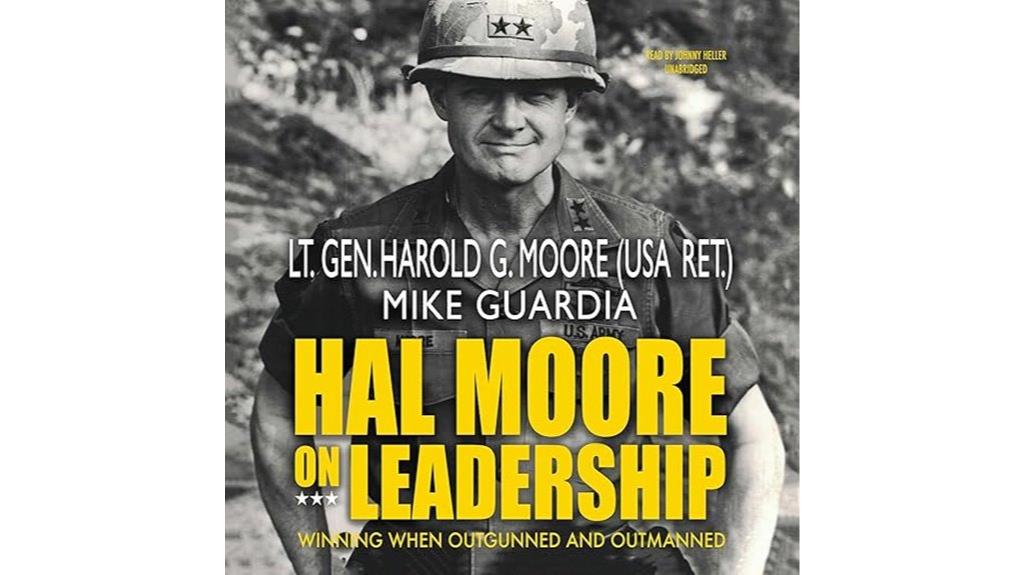
If you’re looking for a practical guide to leadership that draws on real-life military experiences, “Hal Moore on Leadership: Winning When Outgunned and Outmanned” is an excellent choice. Moore shares timeless principles rooted in his combat and training experiences, emphasizing confidence, trust, competence, resilience, honesty, and integrity. His stories highlight that success demands hard work, learning from mistakes, and leading with purpose. The book’s straightforward advice and chapter summaries make it accessible for both aspiring and seasoned leaders. Moore’s personal journey from soldier to leader offers invaluable lessons on handling adversity, toxic individuals, and turning failures into opportunities for growth.
Best For: aspiring and seasoned leaders seeking practical, real-world leadership insights grounded in military experience to enhance their decision-making and resilience.
Pros:
- Offers timeless leadership principles rooted in combat and training experiences.
- Provides straightforward, actionable advice with chapter summaries for easy application.
- Inspires personal growth through real-life stories, emphasizing integrity, trust, and resilience.
Cons:
- The military-centric examples may feel less directly applicable to non-military settings.
- Some readers might find the focus on combat experiences less relevant to civilian leadership challenges.
- The book’s emphasis on hard work and learning from mistakes may require significant personal commitment to implement fully.
The Leadership Genius of Julius Caesar

Are you looking for a leadership resource that combines historical insight with practical lessons? Julius Caesar’s leadership brilliance lies in his ability to handle conflict, inspire loyalty, and communicate effectively. His resilience, seen when he was captured by pirates or faced the Roman Senate, shows his strategic mindset. Caesar led with influence, not just force, using storytelling and persuasive speeches to shape public opinion. His subtle yet powerful approach teaches us that true leadership is about influence, resilience, and strategic communication. Studying Caesar’s life helps modern leaders understand timeless principles of inspiring others and steering through complex challenges.
Best For: aspiring leaders, managers, entrepreneurs, and anyone interested in developing influence, strategic communication, and resilience inspired by Julius Caesar’s leadership.
Pros:
- Provides timeless leadership lessons rooted in historical examples, making them relevant for modern application
- Emphasizes influence, storytelling, and strategic communication as key leadership tools
- Combines engaging storytelling with practical summaries, making complex ideas accessible and inspiring
Cons:
- The book’s structure leans more toward opinion and narrative rather than academic rigor, which may not suit all readers
- Some readers might find the focus on historical interpretation less detailed than technical leadership guides
- It may oversimplify some aspects of Caesar’s leadership, requiring readers to critically adapt lessons to their own context
Factors to Consider When Choosing Leadership Biography Study Guides

When selecting a leadership biography study guide, I consider its focus area to guarantee it aligns with my interests or goals. I also check the author’s credibility and whether the content offers practical insights that I can apply. Ultimately, I look for clarity and depth to make sure I gain valuable, actionable knowledge from the guide.
Leadership Focus Area
Choosing the right leadership biography study guide requires careful consideration of how well it aligns with your specific focus area. I look for biographies that emphasize leadership qualities relevant to my goals, like strategic thinking, moral integrity, or resilience. It’s important that the guide highlights lessons and traits that match my leadership style, whether I aim for transformational, servant, or adaptive leadership. I also check if practical applications and real-world examples are included, so I can directly incorporate these lessons into my development. Additionally, I assess whether the biography addresses challenges and solutions relevant to my industry or personal context. Finally, I consider the depth and grounding of the content—whether it’s biblical, historical, or otherwise—to ensure it fits my desired level of detail and focus.
Leadership Style Relevance
Have you ever wondered how well a leader’s style aligns with your own values and goals? When choosing a leadership biography study guide, it’s essential to think about whether the leader’s approach resonates with your personal or organizational principles, like transformational, servant, or authoritative leadership. The relevance of their style helps determine if you can apply their lessons effectively in your context, whether corporate, military, or biblical. Look for guides that explore how the leader adapts to different circumstances, offering insights into flexibility and situational leadership. Additionally, make sure the guide highlights core principles and behaviors so you can compare and contrast with your own leadership approach. Practical lessons and real examples aligned with your goals make the study more inspiring and actionable.
Author Credibility Level
The credibility of an author plays a significant role in determining the value of a leadership biography study guide. When selecting one, I look for authors with proven expertise, such as seasoned leaders, scholars, or industry veterans. Their background and experience matter, as they contribute to trustworthy insights. Credentials like advanced degrees, awards, or industry recognition further boost credibility, indicating they’ve earned respect in the leadership field. I also consider their publication history—consistent, well-researched, peer-reviewed work signals reliability. Endorsements from reputable figures and a strong reputation within the leadership community add to my confidence. Ultimately, choosing guides written by credible authors ensures I gain accurate, valuable knowledge that can truly elevate my leadership skills.
Content Depth & Clarity
Ever wondered how to find a leadership biography study guide that truly enhances your understanding? The key is balancing thorough content with clear explanations. You want a guide that covers complex leadership concepts thoroughly but remains accessible, so you aren’t overwhelmed. Clarity in presentation helps you grasp key ideas faster, making it easier to remember and apply principles later. Look for guides that use concise language, logical organization, and visual aids like charts or summaries to boost comprehension. The best guides strike a fine balance—they provide enough depth to deepen your knowledge without unnecessary complexity that could hinder your learning process. When content is well-structured and easy to understand, it truly elevates your leadership skills and confidence.
Practical Application Value
Are you selecting a leadership biography study guide that truly helps you apply what you learn? Look for guides that include practical exercises or reflection prompts, so you can test leadership principles in real-world situations. Actionable insights are essential—they allow you to implement strategies immediately and see real improvements. Case studies or real-life examples bring concepts to life, showing how leadership qualities work in various contexts. Step-by-step frameworks or strategies help you turn theory into effective behaviors, making the learning process more tangible. Additionally, adaptable tools that can be tailored to your specific challenges ensure the guidance remains relevant. The right study guide not only informs but also empowers you to practice and refine your leadership skills confidently.
Target Audience Fit
When choosing a leadership biography study guide, it’s crucial to take into account whether it fits the specific needs and background of your target audience. Consider their age, education level, and leadership experience to ensure the material is engaging and accessible. If your audience is new to leadership concepts, opt for guides with foundational content. For seasoned leaders, select those offering in-depth analysis and advanced insights. Also, think about their interests—whether they focus on biblical, military, or corporate leadership—and match the guide’s tone accordingly. It’s essential that the content aligns with their values, cultural background, and leadership goals to maximize relevance and motivation. A well-fitting guide will resonate more deeply, fostering meaningful growth and understanding.
Frequently Asked Questions
How Do Leadership Biographies Enhance Practical Leadership Skills?
Leadership biographies help me see real-world examples of challenges and solutions, making lessons feel tangible. They inspire me by showcasing how successful leaders navigate tough situations, adapt, and grow. I learn practical strategies by analyzing their decisions and mindset. These stories also motivate me to develop resilience and confidence, understanding that setbacks are part of growth. Overall, biographies turn abstract leadership concepts into relatable, actionable insights I can apply daily.
What Criteria Should I Consider When Selecting Study Guides?
When choosing study guides, I look for clear insights, engaging storytelling, and practical lessons that resonate. I imagine myself walking through a library of leadership stories, each offering a unique map to success. I prioritize guides that feature real-world examples, expert analysis, and actionable takeaways. If the guide sparks my curiosity and challenges my thinking, I know it’s the right fit to elevate my leadership skills.
Are These Guides Suitable for New or Seasoned Leaders?
These guides are suitable for both new and seasoned leaders. I find that they offer valuable insights regardless of experience, helping fresh leaders build foundational skills and seasoned leaders refine their strategies. The key is choosing a guide that matches your current leadership level and specific goals. I recommend looking for one that challenges you and provides practical, actionable advice to keep growing and adapting as a leader.
How Can I Integrate Lessons From These Biographies Into Daily Leadership?
Think of these biographies as treasure maps guiding your daily leadership journey. I integrate lessons by reflecting on key stories each morning, asking how I can apply them today. I set small goals inspired by these tales, turning wisdom into action. This approach keeps me anchored and inspired, like a captain steering through changing tides. If you do the same, you’ll find leadership becomes more intuitive and impactful every day.
Do These Guides Cover Different Leadership Styles and Cultures?
Yes, these guides cover a variety of leadership styles and cultures. I find they offer diverse perspectives, from transformational to servant leadership, highlighting how different backgrounds influence leadership approaches. They help me understand cultural nuances and adapt my style accordingly. By exploring this range, I can become a more flexible and empathetic leader, better equipped to connect with people from diverse backgrounds and foster inclusive environments.
Conclusion
Choosing the right leadership study guide is like finding a compass in a storm—guiding you through chaos to clarity. Whether it’s the strategic mind of Julius Caesar or the compassionate leadership of Jesus, each offers unique insights. Just as a ship needs both wind and anchor, your growth benefits from diverse perspectives. Immerse yourself in these guides and let their lessons anchor your leadership journey in strength and purpose.