

For readers seeking spiritual guru biographies, Autobiography of a Yogi is my best overall pick for its first-person account of a teacher’s life and spiritual path. The Life of Yogananda offers a more contextual portrait, while The First Sikh Spiritual Master focuses on Guru Nanak’s life and teachings. The main choice is between a personal memoir, a focused biography, and a book centered on a tradition or its teachings. Some titles suit newcomers; others assume familiarity with a particular lineage or spiritual vocabulary. Read on for my full comparison and guidance on choosing the right starting point.

Get art and craft supplies delivered free — and shop member deals
- Fast, free delivery on millions of items
- Access to Prime Big Deal Days deals on October 6–7
- Prime Video, Amazon Music and more included
Key Takeaways
- Autobiography of a Yogi is the broadest starting point here, while The Life of Yogananda offers a biography-focused alternative about the same spiritual teacher.
- The 1946 edition plus bonus material is a distinct choice for readers who want that specific version; it is not a separate subject from Autobiography of a Yogi.
- Guru Nanak titles serve different purposes: The First Sikh Spiritual Master foregrounds life and techniques, while The Guru – Guru Nanak’s Saakhis centers on traditional stories.
- Lineage-focused books are narrower by design, making the Guru Dev biography and the four-guru Kriya Yoga collection better fits for readers with a specific tradition in mind.
- Not every title is a conventional biography: Search for the Guru presents a Western mystic’s spiritual adventures, so readers seeking a documented life of a named Indian guru may prefer another pick.
| Autobiography of a Yogi |  | Best Overall | Format: Book | Subject: Paramahansa Yogananda | Content type: Spiritual autobiography | VIEW ON AMAZON | See Our Full Breakdown |
| The Biography of Guru Dev: Life & Teachings of Swami Brahmananda Saraswati Shankaracharya of Jyotirmath (1941-1953) Vol. II |  | Best for Historical Depth | Format: Book | Volume: II | Subject: Swami Brahmananda Saraswati Shankaracharya | VIEW ON AMAZON | See Our Full Breakdown |
| Autobiography of a Yogi: The Original 1946 Edition plus Bonus Material |  | Best for Readers Seeking the Original Edition | Format: Book | Subject: Paramahansa Yogananda | Edition: Original 1946 edition | VIEW ON AMAZON | See Our Full Breakdown |
| A Collection of Biographies of 4 Kriya Yoga Gurus |  | Best for Comparing Multiple Gurus | Format: Book | Number of biographies: 4 | Subject group: Kriya Yoga gurus | VIEW ON AMAZON | See Our Full Breakdown |
| Guruji: Life and Spiritualism | 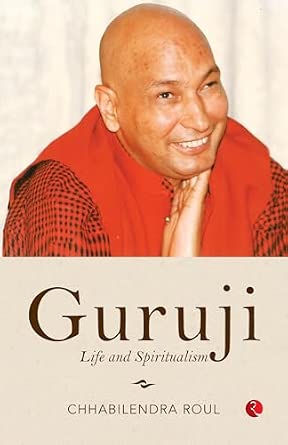 | Best for Reflective Spiritual Reading | Format: Book | Subject: Guruji | Content type: Life and spiritual teachings | VIEW ON AMAZON | See Our Full Breakdown |
| The First Sikh Spiritual Master: Timeless Wisdom from the Life and Techniques of Guru Nanak |  | Best for Sikh Spiritual Teachings | Subject: Guru Nanak | Tradition: Sikh spirituality | Content: Life, teachings, and spiritual techniques | VIEW ON AMAZON | See Our Full Breakdown |
| The Life of Yogananda: The Story of the Yogi Who Became the First Modern Guru |  | Best for Modern Yoga History | Subject: Paramahansa Yogananda | Focus: Life, spiritual journey, and teachings | Historical emphasis: Introduction of meditation and Kriya Yoga to the West | VIEW ON AMAZON | See Our Full Breakdown |
| The Goddess and the Guru: A Spiritual Biography of Sri Amritananda Natha Saraswati |  | Best for a Less-Commonly Covered Guru | Subject: Sri Amritananda Natha Saraswati | Genre: Spiritual biography | Content: Life and teachings | VIEW ON AMAZON | See Our Full Breakdown |
| Search for the Guru: Adventures of a Western Mystic, Part I (Ascended Master Instruction) | 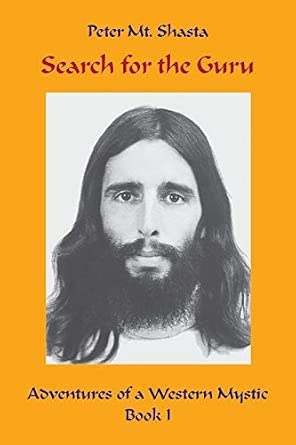 | Best for Accessible First-Person Spiritual Seeking | Subject: A Western mystic and teacher | Series or part: Part I | Subtitle: Ascended Master Instruction | VIEW ON AMAZON | See Our Full Breakdown |
| The Guru – Guru Nanak’s Saakhis |  | Best for Short Traditional Stories | Subject: Guru Nanak | Content: Saakhis, teachings, and spiritual messages | Tradition: Sikh history and philosophy | VIEW ON AMAZON | See Our Full Breakdown |
| spiritual guru biographie | Format | Subject | Approach | Content type |
|---|---|---|---|---|
| Autobiography of a Yogi | Book | Paramahansa Yogananda | Life story combined with spiritual teachings | Spiritual autobiography |
| The Biography of Guru Dev: Lif | Book | Swami Brahmananda Saraswati Shankaracharya | — | Biography and teachings |
| Autobiography of a Yogi: The O | Book | Paramahansa Yogananda | — | Spiritual autobiography |
| A Collection of Biographies of | Book | — | — | Biographical collection |
| Guruji: Life and Spiritualism | Book | Guruji | Reflective and philosophical | Life and spiritual teachings |
| The First Sikh Spiritual Maste | Not specified in provided product data | Guru Nanak | Biography with practical spiritual guidance | — |
| The Life of Yogananda: The Sto | Not specified in provided product data | Paramahansa Yogananda | In-depth biography | — |
| The Goddess and the Guru: A Sp | Not specified in provided product data | Sri Amritananda Natha Saraswati | — | — |
| Search for the Guru: Adventure | Paperback | A Western mystic and teacher | First-person spiritual journey | — |
| The Guru | Not specified in provided product data | Guru Nanak | Story-led presentation | — |
More Details on Our Top Picks
Autobiography of a Yogi
Autobiography of a Yogi is my strongest all-around pick for readers who want a guru’s life story closely joined to his spiritual outlook. Paramahansa Yogananda writes about his own journey while introducing yoga, meditation, and ideas about spiritual realization, so the biography also serves as an entry into his teachings. Compared with The Biography of Guru Dev, which focuses on a specific teacher and historical period, Yogananda’s account has a more personal, first-person perspective. Its wide spiritual scope is also more accessible as a starting point than a collection centered on four Kriya Yoga gurus. The tradeoff is that its spiritual concepts and reflective passages can feel dense if you want a brisk, strictly chronological life story. Choose it for an influential, teaching-rich memoir, not for practical exercises or a contemporary self-help approach.
Pros:- First-person spiritual memoir by Paramahansa Yogananda
- Connects life events with teachings on yoga and meditation
- Offers a broad introduction to spiritual ideas
- Works as a single-author starting point before more specialized guru biographies
Cons:- Some spiritual concepts may be challenging for casual readers
- Reflective teaching passages can slow readers seeking a fast-paced life story
- Does not function as a structured guide to meditation practice
Best for: Readers seeking a personal account of a major yogi’s life alongside an introduction to yoga, meditation, and spiritual ideas.
Not ideal for: Readers who prefer concise, strictly historical biographies or step-by-step meditation guidance; its spiritual discussions can be dense and are not presented as a practical workbook.
- Format:Book
- Subject:Paramahansa Yogananda
- Content type:Spiritual autobiography
- Topics:Yoga, meditation, spiritual enlightenment
- Perspective:First person
- Approach:Life story combined with spiritual teachings
Our verdict“Choose this as the most versatile starting point if you want Yogananda’s life and teachings in one personal account.”
The Biography of Guru Dev: Life & Teachings of Swami Brahmananda Saraswati Shankaracharya of Jyotirmath (1941-1953) Vol. II
The Biography of Guru Dev, Vol. II is the most focused historical choice in this group: it covers Swami Brahmananda Saraswati’s life and teachings during his leadership of Jyotirmath from 1941 to 1953. That defined period gives readers a clearer institutional and historical frame than Autobiography of a Yogi, which follows Yogananda’s personal spiritual journey across a wider range of experiences. It also differs from A Collection of Biographies of 4 Kriya Yoga Gurus: rather than surveying several figures, this volume concentrates on one teacher and his philosophical contribution. That depth is the reason to choose it, but the same focus narrows its audience. It is a volume II, so readers may want earlier context, and it is less suited to someone looking for an introductory, broadly accessible account of guru traditions.
Pros:- Concentrates on Swami Brahmananda Saraswati rather than spreading coverage across several gurus
- Covers a clearly defined period, 1941–1953
- Combines biographical material with attention to teachings
- Provides a historical perspective on Jyotirmath leadership
Cons:- Volume II may require context from earlier material
- Its focused subject and period make it less suitable as a broad introduction
- Readers seeking a personal memoir or practical spiritual exercises may prefer another title
Best for: Readers of Indian spiritual history who want a period-specific account of Swami Brahmananda Saraswati and Jyotirmath leadership.
Not ideal for: First-time readers wanting a self-contained, introductory guru biography; this is Volume II and concentrates on a particular teacher and historical period.
- Format:Book
- Volume:II
- Subject:Swami Brahmananda Saraswati Shankaracharya
- Institution:Jyotirmath
- Historical period:1941–1953
- Content type:Biography and teachings
- ISBN:0956222811
Our verdict“Pick this volume for concentrated historical study of Guru Dev and Jyotirmath, provided its second-volume scope suits your reading plans.”
Autobiography of a Yogi: The Original 1946 Edition plus Bonus Material
The Original 1946 Edition plus Bonus Material suits readers who specifically want Yogananda’s early published text, with added context and commentary. It shares its central subject and memoir form with Autobiography of a Yogi, so the key distinction is edition and supplemental material—not a different life story. That makes this a more targeted choice than the standard title: it appeals to readers interested in the book’s original form and supporting notes, while the other edition is the simpler pick for someone who only wants Yogananda’s account. Like the standard autobiography, it combines biography with spiritual ideas rather than offering a contemporary self-help program. The description does not specify the amount or format of the bonus material, so readers should not assume it provides extensive annotation. Its older text may also feel less direct than modern personal-development writing.
Pros:- Preserves the original 1946 edition
- Includes bonus material described as context and commentary
- Presents Yogananda’s life and spiritual outlook in memoir form
- Offers an edition-focused alternative to the standard Autobiography of a Yogi
Cons:- The description does not detail the scope of the bonus material
- The spiritual memoir is not framed as contemporary self-help
- Readers uninterested in the original edition may find the standard autobiography a more direct choice
Best for: Readers who value the original 1946 text and want accompanying context or commentary alongside Yogananda’s spiritual memoir.
Not ideal for: Readers mainly seeking modern, action-oriented self-help or those who do not care about edition history and supplemental commentary.
- Format:Book
- Subject:Paramahansa Yogananda
- Edition:Original 1946 edition
- Content type:Spiritual autobiography
- Supplemental content:Bonus material
- Bonus material description:Context and commentary
- ISBN:1565892127
Our verdict“Choose this edition if the original 1946 text and added context matter more to you than a straightforward copy of Yogananda’s memoir.”
A Collection of Biographies of 4 Kriya Yoga Gurus
A Collection of Biographies of 4 Kriya Yoga Gurus is the lineup’s clearest choice for readers who want several lives in one volume rather than a single teacher’s story. Its four-biography format offers a wider view of Kriya Yoga figures than Autobiography of a Yogi, which centers on Yogananda, and it can help readers compare how distinct gurus relate to a shared spiritual tradition. The tradeoff is less space for any one person: a collection may provide breadth without the sustained personal voice or close historical focus found in Yogananda’s memoir or The Biography of Guru Dev. The supplied description does not identify the four gurus or explain how the biographies are organized, so readers looking for a specific figure should check that the book covers them. It is best approached as a tradition-focused overview, not a detailed account of one life.
Pros:- Covers four Kriya Yoga gurus in one volume
- Offers a broader tradition-level view than a single-subject biography
- Connects biographies with yoga philosophy and spiritual history
- Supports comparison among multiple teachers
Cons:- Divides attention across four figures rather than following one life in depth
- The supplied description does not identify the four gurus
- The description provides no detail about the biographies’ organization or added material
Best for: Readers exploring Kriya Yoga history who want biographical coverage of several gurus in a single book.
Not ideal for: Readers focused on one named teacher or looking for a clearly documented, period-specific biography; the provided description does not name the four gurus or detail the coverage.
- Format:Book
- Number of biographies:4
- Subject group:Kriya Yoga gurus
- Content type:Biographical collection
- Related themes:Yoga philosophy and spiritual history
- Named subjects in supplied description:Not specified
Our verdict“Choose this collection for breadth across Kriya Yoga teachers, but pick a single-subject biography if depth on one guru matters more.”
Guruji: Life and Spiritualism
Guruji: Life and Spiritualism is the most reflection-led pick here, pairing a life story with teachings on spiritual growth and personal development. The description emphasizes philosophy and inspiration rather than a specified historical period or a clearly defined teaching system. That sets it apart from The Biography of Guru Dev, which offers a named subject and dated period, and from A Collection of Biographies of 4 Kriya Yoga Gurus, which provides several figures for comparison. This book may suit readers who want a more personal, contemplative treatment of spiritual ideas, but its lack of practical exercises limits its use as a guide to changing daily habits. The description also does not identify Guruji more fully, making it harder to judge the book’s historical context before reading. Choose it for reflective themes, not detailed documentation or structured practice.
Pros:- Combines a life-focused account with spiritual teachings
- Emphasizes spiritual growth and personal development
- Offers a reflective alternative to the historically focused Guru Dev biography
- May appeal to readers drawn to philosophical rather than instructional material
Cons:- The description does not identify Guruji more specifically
- Practical exercises are not described
- The philosophical emphasis may not suit readers seeking concrete guidance
Best for: Readers who prefer reflective writing about a spiritual teacher’s life and teachings, with an emphasis on personal growth.
Not ideal for: Readers who need clearly identified historical context, practical exercises, or a step-by-step spiritual practice.
- Format:Book
- Subject:Guruji
- Content type:Life and spiritual teachings
- Themes:Spiritual growth and personal development
- Approach:Reflective and philosophical
- Practical exercises:Not described
- ISBN:9361568167
Our verdict“Pick this for reflective spiritual themes, but choose a more historically specific or practice-oriented book if you want firmer context or exercises.”
The First Sikh Spiritual Master: Timeless Wisdom from the Life and Techniques of Guru Nanak
For readers seeking Guru Nanak through Sikh spiritual principles, this book pairs a life account with teachings and practical techniques. That blend makes it a more practice-oriented choice than The Guru – Guru Nanak’s Saakhis, whose emphasis is on stories and messages. The focus on one founder gives the material a coherent thread, while the description suggests wisdom intended to remain relevant beyond a historical portrait.
The same focus narrows its appeal: readers looking for a broad, comparative account of spiritual teachers may find it centered too closely on Sikh tradition, and the supplied description does not identify competing perspectives or additional historical apparatus. Compared with The Life of Yogananda, it offers a different tradition and a more explicitly technique-based promise, but less information is available about its research depth. I would choose it for a Sikh-centered reading path, not as a survey of guru biographies.
Pros:- Centers the life and teachings of Sikhism’s founder
- Combines biography with practical spiritual techniques
- Presents spiritual ideas as relevant to contemporary readers
Cons:- Its strong focus on Sikh tradition may not suit readers seeking a cross-tradition survey
- The description identifies a limited perspective rather than a range of interpretations
Best for: Readers who want a focused introduction to Guru Nanak’s life, Sikh teachings, and practical spiritual ideas
Not ideal for: Readers seeking a comparative survey of several traditions or a biography documented through multiple named perspectives
- Subject:Guru Nanak
- Tradition:Sikh spirituality
- Content:Life, teachings, and spiritual techniques
- Approach:Biography with practical spiritual guidance
- Format:Not specified in provided product data
- Edition:Not specified in provided product data
Our verdict“Choose this for a Guru Nanak biography that connects Sikh teachings with practical spiritual ideas, rather than for a broad survey of gurus.”
The Life of Yogananda: The Story of the Yogi Who Became the First Modern Guru
This is the lineup’s clearest pick for readers tracing how a guru’s story reached modern Western spirituality. Its account of Paramahansa Yogananda connects his personal journey and teachings with the spread of meditation and Kriya Yoga in the West. That wider historical framing distinguishes it from The First Sikh Spiritual Master, which concentrates on Guru Nanak and Sikh spiritual practice rather than a modern cross-cultural influence.
The biography is described as in-depth and well researched, a strength for readers who want context around Autobiography of a Yogi and its legacy. The tradeoff is pace: the supplied description warns that the book can feel dense, making it a less comfortable starting point for casual readers than the more accessible Search for the Guru. I would rank it highest for historical scope, but not for a quick or lightweight introduction.
Pros:- Provides an in-depth account of Yogananda’s life and teachings
- Places his influence within the history of modern yoga and meditation
- Uses engaging storytelling to bring his spiritual journey into focus
Cons:- The detail and density may slow readers seeking a casual overview
- Its attention to one influential teacher gives less space to comparison with other traditions
Best for: Readers interested in Yogananda’s life, the Western spread of meditation and Kriya Yoga, and the background to his influence
Not ideal for: Casual readers who want a brief, easy-paced introduction rather than a dense, in-depth biography
- Subject:Paramahansa Yogananda
- Focus:Life, spiritual journey, and teachings
- Historical emphasis:Introduction of meditation and Kriya Yoga to the West
- Related work:Autobiography of a Yogi
- Approach:In-depth biography
- Format:Not specified in provided product data
Our verdict“Choose this for a fuller account of Yogananda and his influence on modern spirituality, provided you are comfortable with a detailed read.”
The Goddess and the Guru: A Spiritual Biography of Sri Amritananda Natha Saraswati
This biography stands apart by centering Sri Amritananda Natha Saraswati, making it the lineup’s most specialized choice by subject. Its stated combination of personal spiritual journey, teachings, and historical context may appeal to readers who have already explored better-known figures such as Yogananda or Guru Nanak and want a different teacher’s story. By comparison, The Life of Yogananda comes with a clearer claim to broad influence on modern yoga and meditation; this book’s draw is its narrower focus.
That specialization also makes the purchase harder to judge from the supplied information. The description provides no edition details or account of supplementary material, and it says less about the biography’s structure and research than the Yogananda title does. I would treat it as a targeted choice for readers specifically interested in Saraswati, not as the safest general introduction to spiritual guru biographies.
Pros:- Devotes its subject to Sri Amritananda Natha Saraswati
- Combines biographical material with spiritual teachings
- Includes historical context according to the product description
Cons:- The available description gives little detail about structure or research depth
- No edition features or supplementary materials are identified
- Its specialized subject may be less useful to readers seeking a broad overview
Best for: Readers researching Sri Amritananda Natha Saraswati or seeking a biography of a less commonly covered spiritual teacher
Not ideal for: Readers who need clear edition details, a broad introductory biography, or extensive information about the book’s supporting material
- Subject:Sri Amritananda Natha Saraswati
- Genre:Spiritual biography
- Content:Life and teachings
- Context:Spiritual journey and historical context
- Format:Not specified in provided product data
- Edition:Not specified in provided product data
Our verdict“Pick this if Saraswati is your main interest; choose The Life of Yogananda for a more clearly described biography with wider historical framing.”
Search for the Guru: Adventures of a Western Mystic, Part I (Ascended Master Instruction)
Unlike the teacher-centered biographies here, this book follows a Western mystic’s personal search and blends anecdotes with ascended master instruction. That makes it a more approachable, first-person route into spiritual seeking than The Life of Yogananda, which is described as a denser, researched account of a historical guru. Readers wanting practical guidance alongside narrative may find this mix more immediately engaging than The Goddess and the Guru, whose stated focus is a specific teacher’s life and historical context.
The tradeoff is its niche framework: ascended master instruction may not suit readers looking for conventional biography or a mainstream historical account of a guru. It is also explicitly Part I, so this volume presents the opening part of a larger journey rather than a complete account. I would choose it for an accessible Western seeker perspective, not as a substitute for a documented life of a major spiritual teacher.
Pros:- Offers a distinctive Western mystic’s perspective
- Combines personal narrative with practical spiritual instruction
- Accessible style is suited to readers at different stages of spiritual study
- Paperback format provides a physical reading edition
Cons:- Ascended master instruction is a niche framework that may not suit mainstream biography readers
- Part I covers only the opening portion of the author’s journey
- Its focus on the author’s experience offers a different kind of biography than a researched portrait of a guru
Best for: Readers who prefer an accessible Western seeker’s narrative with spiritual instruction woven into personal anecdotes
Not ideal for: Readers seeking a conventional, historically focused biography of a widely established guru or a complete standalone life story
- Subject:A Western mystic and teacher
- Series or part:Part I
- Subtitle:Ascended Master Instruction
- Content:Personal anecdotes and spiritual instruction
- Approach:First-person spiritual journey
- Format:Paperback
Our verdict“Choose this for an accessible, instruction-led account of a Western mystic’s search, but choose Yogananda’s biography for a historical guru portrait.”
The Guru – Guru Nanak’s Saakhis
This is the story-led Guru Nanak option: its saakhis offer teachings and spiritual messages through accounts associated with his life. That makes it a natural alternative to The First Sikh Spiritual Master, which promises practical techniques as well as biography. Readers who prefer brief traditional stories over a more explicitly practice-oriented treatment may find this format a better match, while those wanting broader historical context may prefer The Life of Yogananda.
The limitation is how little the supplied product information tells me about depth, organization, or edition features. I cannot judge how extensively the stories are contextualized or whether the book offers a sustained chronological biography. Its focused Sikh subject is an advantage for readers specifically exploring Guru Nanak, but not for those seeking a survey across spiritual traditions. I would select it for interest in saakhis and their teachings, with modest expectations about documented scope based on the available details.
Pros:- Focuses on Guru Nanak’s stories and spiritual messages
- Offers a story-led complement to more practice-oriented treatments
- Its subject directly serves readers interested in Sikh history and philosophy
Cons:- The available description does not establish the depth or organization of the content
- Historical context and edition features are not specified
- Its single-teacher, single-tradition focus does not provide a comparative survey
Best for: Readers interested in Guru Nanak’s teachings through traditional stories and Sikh spiritual messages
Not ideal for: Readers who need a detailed, clearly contextualized chronology or a comparative biography spanning several spiritual traditions
- Subject:Guru Nanak
- Content:Saakhis, teachings, and spiritual messages
- Tradition:Sikh history and philosophy
- Approach:Story-led presentation
- Format:Not specified in provided product data
- Edition:Not specified in provided product data
Our verdict“Choose this for Guru Nanak’s teachings presented through saakhis; choose The First Sikh Spiritual Master if practical techniques are your priority.”
How We Picked
I compared these books by how directly they illuminate a guru’s life, how much attention they give to teachings and spiritual context, and how approachable their scope appears for readers without prior knowledge. I also weighed the format and focus: a first-person autobiography offers a different kind of access than a later biography, a collection, or a book organized around stories and teachings.
The ranking favors books with a clear biographical center and a useful entry point, then distinguishes narrower works by the reader they serve. That is why Autobiography of a Yogi leads as a widely recognizable life narrative, while its 1946 edition with bonus material sits separately for edition-specific interest. Tradition-specific books rank best for readers who already know what lineage, teacher, or approach they want; they are not interchangeable with broad introductions.
| spiritual guru biographie | Format | Subject | Content type | Approach |
|---|---|---|---|---|
| Autobiography of a Yogi | Book | Paramahansa Yogananda | Spiritual autobiography | Life story combined with spiritual teachings |
| The Biography of Guru Dev: Lif | Book | Swami Brahmananda Saraswati Shankaracharya | Biography and teachings | — |
| Autobiography of a Yogi: The O | Book | Paramahansa Yogananda | Spiritual autobiography | — |
| A Collection of Biographies of | Book | — | Biographical collection | — |
| Guruji: Life and Spiritualism | Book | Guruji | Life and spiritual teachings | Reflective and philosophical |
| The First Sikh Spiritual Maste | Not specified in provided product data | Guru Nanak | — | Biography with practical spiritual guidance |
| The Life of Yogananda: The Sto | Not specified in provided product data | Paramahansa Yogananda | — | In-depth biography |
| The Goddess and the Guru: A Sp | Not specified in provided product data | Sri Amritananda Natha Saraswati | — | — |
| Search for the Guru: Adventure | Paperback | A Western mystic and teacher | — | First-person spiritual journey |
| The Guru | Not specified in provided product data | Guru Nanak | — | Story-led presentation |
Factors to Consider When Choosing Spiritual Guru Biographies
Before choosing, decide what kind of access you want: a guru’s own account, a biography written by someone else, or stories and teachings shaped by a tradition. These distinctions affect what you learn, how much context you need, and whether the book will suit your first encounter with the subject.
Choose Between Memoir and Biography
A first-person account can bring a teacher’s voice and self-understanding to the foreground, but it reflects what the author chose to share and how they interpreted events. A biography may add historical framing or details from beyond the subject’s own account, though its perspective belongs to the biographer. If you want both kinds of insight, pairing Autobiography of a Yogi with The Life of Yogananda can offer contrasting approaches to the same figure. A common mistake is to assume that one format is automatically more factual or more complete. Check the book’s description and contents for its source material and scope. Choose based on whether you value personal testimony, outside context, or a combination.
Match the Tradition to Your Interest
Guru biographies often sit within a particular religious or spiritual lineage, and that context shapes both the language and the events the author emphasizes. A book about Guru Nanak, a Kriya Yoga collection, and a biography of Swami Brahmananda Saraswati address different traditions rather than offering comparable portraits of a single kind of guru. If you are new to the subject, look for a book that explains terms and historical setting instead of assuming prior knowledge. Readers already drawn to a tradition may prefer a focused account over a general introduction. Avoid choosing only by the word “guru” in a title; it does not tell you which teachings or community the book represents. A close match to your interests usually matters more than a broad-sounding title.
Look at How the Book Organizes Its Story
Some books follow a life chronologically, while others build a portrait through teachings, recollections, or short stories. The First Sikh Spiritual Master combines attention to Guru Nanak’s life and techniques, whereas The Guru – Guru Nanak’s Saakhis uses a story-centered approach. Neither structure is a substitute for the other: a life narrative may help with sequence and context, while saakhis can foreground memorable teachings and episodes. Think about how you prefer to learn before buying, especially if you want a detailed historical account. A title described as a collection may cover several figures but give less space to each one. Read the contents or sample pages when available to check whether the structure fits your reading goal.
Check Whether You Want One Teacher or Several
A single-subject biography can give more room to one life, its turning points, and its teachings. A multi-guru collection, such as A Collection of Biographies of 4 Kriya Yoga Gurus, offers comparison across figures but divides attention among them. That tradeoff matters if you are trying to understand one teacher in depth rather than map a lineage. Collections can also help readers discover which figure they want to explore further. Do not assume that several biographies in one volume provide the same depth as a dedicated book. Choose breadth for orientation and a single-subject work for a more sustained portrait.
Distinguish a New Edition From a New Biography
Two entries in this roundup focus on Yogananda, but they are not accounts of different gurus: one is Autobiography of a Yogi, and the other is the 1946 edition with bonus material. Edition details can matter to readers interested in a particular text or supplementary content, but they do not necessarily change the central narrative. Compare publication and edition information rather than treating similar titles as unrelated works. This is especially useful when you are building a reading list and want different perspectives rather than overlapping material. If you already own one version, check what the other adds before choosing it. The same habit helps prevent buying a retelling when you meant to find a distinct biography.
Set Expectations for Spiritual and Historical Framing
Spiritual biographies may present accounts of faith, practice, and extraordinary experiences alongside historical events. Readers differ on whether they want an explicitly devotional voice, a more contextual narrative, or a mix. Search for descriptions of tone and intended audience, and check whether the book explains its sources or approach. A devotional account may speak most directly to readers who share its assumptions, while a contextual biography can help newcomers understand the setting. Neither approach guarantees that every interpretation will match a reader’s own beliefs. Picking a book with a compatible framing can make its perspective easier to engage with, even when you approach it critically.
Frequently Asked Questions
Which book is the clearest starting point if I have never read a spiritual guru biography?
I would start with Autobiography of a Yogi if you want a personal account centered on one teacher and a broad introduction to a spiritual path. If you prefer a biography written as a story about Yogananda rather than his own account, consider The Life of Yogananda instead. The two titles overlap in subject, so choose the voice and approach you want rather than assuming you need both. Readers interested in Sikh history should begin with a Guru Nanak title instead of using a Yogananda book as a general representative of every tradition.
Should I get the original Autobiography of a Yogi or the edition with bonus material?
Choose based on whether the specific 1946 edition and its additional material matter to you. Both titles focus on Yogananda’s autobiography, so they do not provide separate biographical perspectives. If you are reading the book for the first time, compare the edition details and contents to see what additions are included. If your aim is to learn more about Yogananda from another author’s perspective, The Life of Yogananda is a more distinct companion choice. Checking the publication information can prevent accidental duplication.
Which Guru Nanak book should I choose for life history versus teachings?
For a title explicitly focused on Guru Nanak’s life and techniques, choose The First Sikh Spiritual Master. The Guru – Guru Nanak’s Saakhis is a better match if you want episodes and traditional stories as the organizing form. These formats can complement each other, but they do not serve exactly the same reading purpose. If you are studying Sikh history, look at the book’s scope and context rather than relying on the word “biography” alone. A story collection can communicate teachings vividly while offering a different kind of historical detail from a continuous life narrative.
Are the more specialized lineage books suitable for readers new to these traditions?
They can be, but their value depends on how much background the book supplies and how comfortable you are with unfamiliar terms. The Guru Dev biography and the Kriya Yoga collection focus on particular spiritual contexts, so they may feel more focused than a broad introduction. Check sample pages or the description for signs that the author explains the lineage and its vocabulary. If you want an accessible first encounter, a more widely framed narrative may be easier to begin with. Readers with a specific interest in a teacher or tradition may find the narrower scope an advantage rather than a barrier.
Does Search for the Guru fit if I want a documented biography of a spiritual teacher?
It may not be the closest match if your main goal is a biography of a named guru’s life. Its subtitle presents it as the adventures of a Western mystic, which points toward a personal spiritual journey rather than a conventional account of a guru’s life. That distinction can make it appealing if you want a Western seeker’s perspective on spiritual instruction. If you are researching a particular teacher, choose one of the titles centered on that individual instead. Confirm the book’s description and format before buying so its point of view matches your purpose.
Conclusion
For the best overall entry, I recommend Autobiography of a Yogi for its personal account and broad reach. The best value in reading coverage is A Collection of Biographies of 4 Kriya Yoga Gurus if you want several figures in one volume, while best for beginners seeking context is The Life of Yogananda. I would choose the best premium-style, edition-focused option—Autobiography of a Yogi: The Original 1946 Edition plus Bonus Material—when that specific text and its added material are the priority, not as a wholly different biography. For specific needs, pick The First Sikh Spiritual Master for a life-and-teachings focus on Guru Nanak, The Guru – Guru Nanak’s Saakhis for story-based reading, or the Guru Dev and Amritananda Natha Saraswati biographies for their particular teachers. If your interest is a Western seeker’s account rather than a guru’s life, Search for the Guru is the more fitting direction.
Fall Picks
fall essentials
As an affiliate, we earn on qualifying purchases.